
Quick Read
- The LA Metro board approved a 9.7-mile K Line Northern Extension that includes a dedicated station at the Hollywood Bowl.
- The project aims to reduce severe event-day traffic congestion by connecting the venue directly to the regional B and D rail lines.
- Funding for the $14.8 billion project is bolstered by a $2 billion pledge from the City of West Hollywood to accelerate construction.
LOS ANGELES (Azat TV) – The Los Angeles County Metropolitan Transportation Authority (Metro) board of directors officially approved the 9.7-mile K Line Northern Extension on March 26, 2026, marking a pivotal shift in the region’s transit infrastructure. The finalized route, which utilizes the San Vicente-Fairfax alignment, confirms the construction of a dedicated station at the Hollywood Bowl, a move officials describe as a game-changer for one of the city’s most congested entertainment venues.
Expanding Regional Connectivity Through the K Line
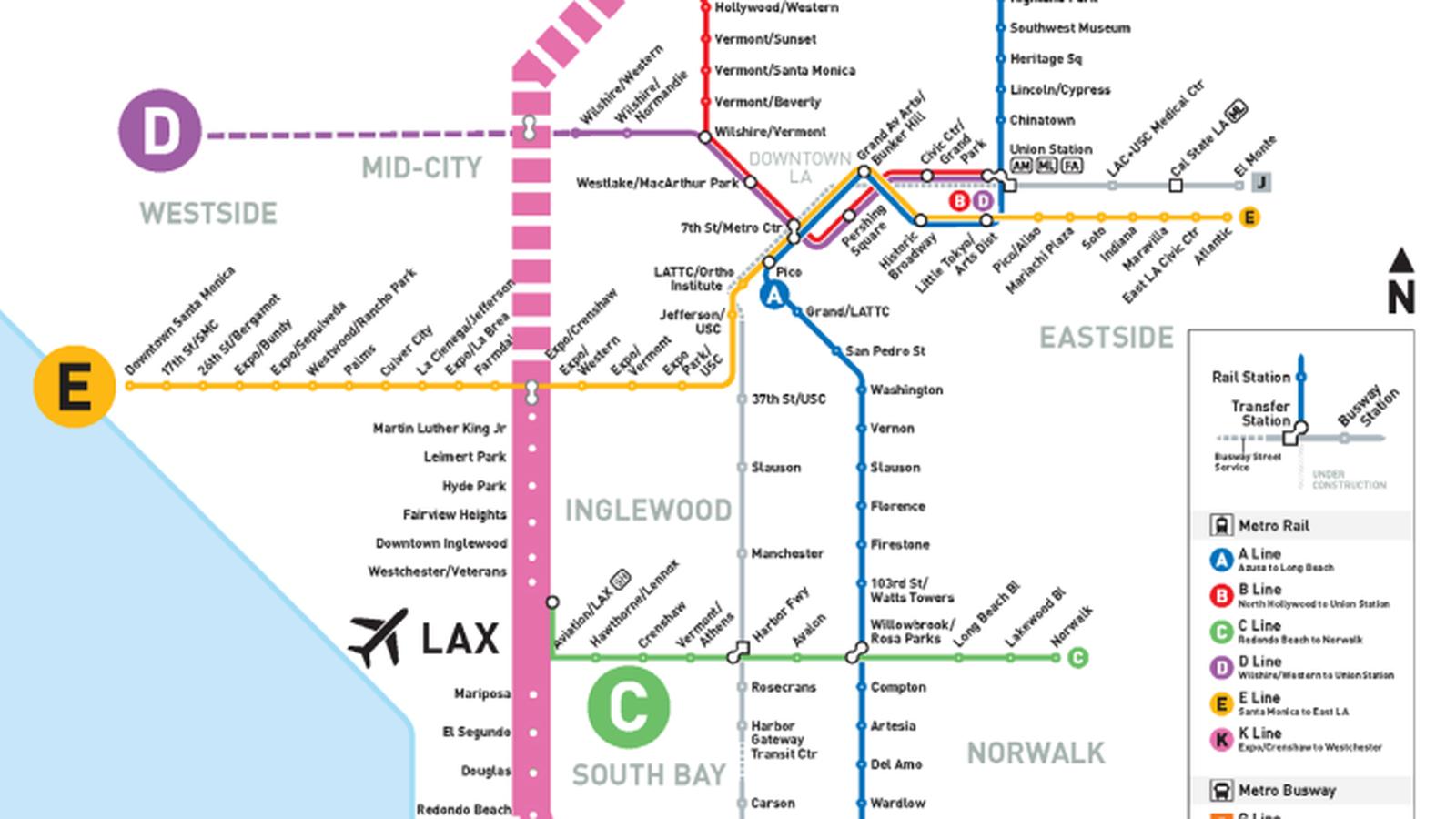
The approved expansion connects the existing K Line from the E Line north through the Crenshaw, Mid-City, and Fairfax districts, ultimately reaching West Hollywood and Hollywood. By linking directly to the B and D lines at the Hollywood/Highland hub, the project aims to serve approximately 100,000 daily riders. Beyond the Hollywood Bowl, the corridor will provide rail access to key regional activity centers, including Cedars-Sinai Medical Center, The Grove, and the commercial core of West Hollywood.
Addressing the Hollywood Bowl Traffic Crisis
For decades, the Hollywood Bowl has been synonymous with gridlock during the summer concert season. Supervisor Kathryn Barger, who represents the district housing the iconic venue, emphasized that a transit-heavy solution is essential for the quality of life of both residents and concertgoers. The addition of a rail station is projected to attract approximately 300 daily trips initially, though officials anticipate significantly higher utilization during event nights, potentially offering a long-term alternative to the reliance on private vehicles and ride-share services in the Highland Avenue corridor.
Engineering and Funding the Future of Transit
The project, which faces an estimated cost of $14.8 billion, remains one of the most ambitious infrastructure undertakings in Southern California. While local tax revenues provide a portion of the funding, the City of West Hollywood has pledged $2 billion to accelerate the timeline, utilizing an enhanced infrastructure financing district (EIFD). Although residents near the southern leg of the route have raised concerns regarding tunneling safety, the Metro board voted to proceed with the current alignment while committing to additional technical studies to mitigate community impacts.
The formal approval of the Hollywood Bowl station represents a rare instance where long-term urban planning directly targets the specific logistical vulnerabilities of a major cultural institution, signaling a transition from viewing transit as a commuter utility to an essential component of the region’s event-based economy.