
Quick Read
- Labubu dolls, a popular collectible, were pulled from UK stores by Pop Mart.
- Reports of customer fights and safety concerns drove the decision.
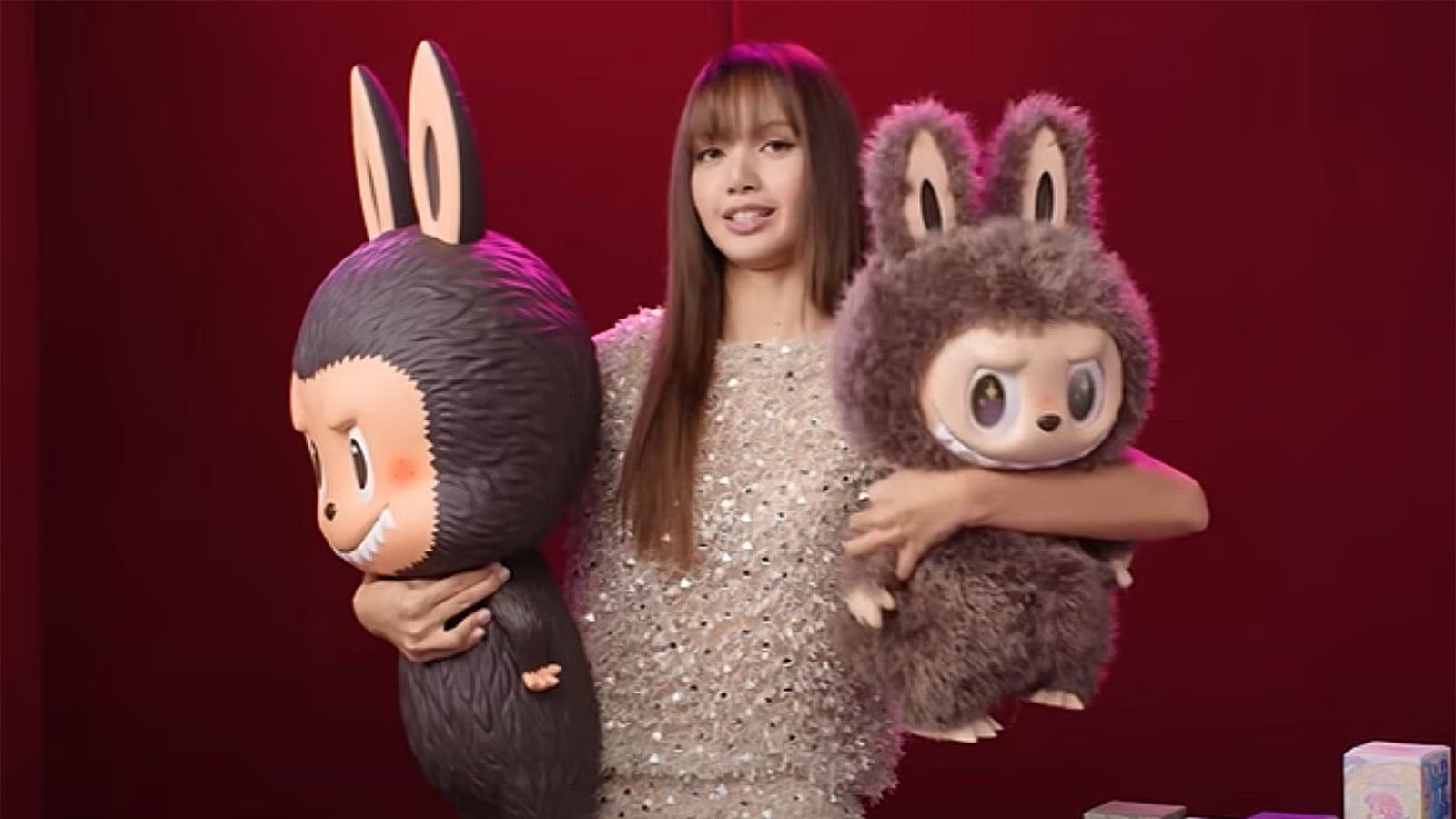
- The dolls gained fame after celebrities like Rihanna and Lisa of Blackpink showcased them.
- Resale markets saw prices soar, with rare dolls selling for hundreds of pounds.
- Pop Mart aims to create a safer and fairer shopping experience.
Labubu Dolls: The Rise of a Viral Collectible
Labubu dolls, part of the “The Monsters” series by Hong Kong-born artist Kasing Lung, have taken the world by storm. These quirky, monster-like plush toys, inspired by Nordic folklore, became a cultural sensation after celebrities like Rihanna, Dua Lipa, and Lisa from Blackpink were spotted with them. The dolls, marketed by Pop Mart, are often sold in “blind boxes,” adding an element of surprise for collectors who only discover the design after purchase.
Initially launched in 2015, Labubu’s popularity surged in 2024, fueled by social media trends and celebrity endorsements. The dolls are not just toys but have become fashion accessories, with fans using them as bag charms or display pieces. However, this popularity has also led to unintended consequences, particularly in the United Kingdom.
Why Were Labubu Dolls Pulled from UK Stores?
In recent weeks, Pop Mart announced it would temporarily suspend in-store sales of Labubu dolls across its 16 UK locations. The decision followed reports of chaotic scenes, including long queues, overnight camping, and even physical altercations among customers. According to Pop Mart, the move aims to ensure the safety of both customers and store employees.
One witness described an “actual fight” breaking out in a London store, while others reported people in balaclavas intimidating staff and customers. Ashley Bushey, a collector from Northamptonshire, noted the “battlefield” nature of the resale market, where some individuals buy in bulk to resell at inflated prices. Limited edition dolls, which retail for approximately £17.50 to £50, have been resold for hundreds of pounds, with one rare piece listed for £700 online.
Pop Mart has stated that it is working on a new distribution strategy to create a safer and fairer shopping experience. Online sales of Labubu dolls continue, and the company has urged fans to stay updated via its social media channels.
The Role of Scarcity and Resale Markets
The phenomenon surrounding Labubu dolls is not unique. Experts suggest that companies often use scarcity as a marketing strategy to boost demand. Susannah Streeter, head of money and markets at Hargreaves Lansdown, explained that limited stock releases create urgency among buyers, leading to high demand and long queues.
However, this approach can also fuel the resale market, where resellers exploit the scarcity to charge exorbitant prices. In the UK, this has led to frustration among genuine collectors, many of whom struggle to purchase the dolls at retail prices. Social media platforms like TikTok and Facebook have become hubs for both fans and resellers, with some collectors spending thousands of pounds to expand their collections.
Daniel O’Sullivan, a senior associate at Reddie & Grose, warned that such scarcity could also lead to counterfeit products entering the market. These imitations may not meet safety standards, posing risks to consumers, particularly those buying the dolls as toys for children.
Global Perspective: How Other Countries Handle the Hype
Interestingly, the chaos surrounding Labubu dolls appears to be a predominantly UK phenomenon. In other countries, including the Netherlands, Singapore, and the United States, Pop Mart has not reported similar incidents of violence or safety concerns. The company has attributed this disparity to cultural differences in consumer behavior and market dynamics.
In regions where demand remains high but orderly, Pop Mart has successfully managed stock through controlled “drops” and online sales. However, the UK’s intense resale market and the accompanying social media frenzy have created a unique challenge for the company. Some fans hope that Pop Mart’s new distribution approach will level the playing field, reducing opportunities for resellers while ensuring a safer shopping environment.
What’s Next for Labubu Collectors?
For now, UK fans of Labubu dolls will have to wait as Pop Mart re-evaluates its sales strategy. The company has hinted at introducing measures to curb bulk buying and improve the overall shopping experience. Potential solutions could include implementing purchase limits, introducing pre-order systems, or enhancing online availability.
Collectors like Ashley Bushey remain optimistic about the future. Despite the challenges, she describes the thrill of the hunt as a key part of the collecting experience. “I like the chase of it,” she said, reflecting a sentiment shared by many enthusiasts worldwide.
As Pop Mart works to resolve these issues, the Labubu phenomenon continues to captivate fans. Whether as a fashion statement or a nostalgic collectible, these quirky dolls have cemented their place in pop culture, proving that even the smallest items can spark global trends.
The situation surrounding Labubu dolls highlights the complexities of managing viral consumer products in an era of social media and globalized markets. Pop Mart’s efforts to address safety and fairness could set a precedent for other brands facing similar challenges.
Source: Bbc, Itv, Lbc