


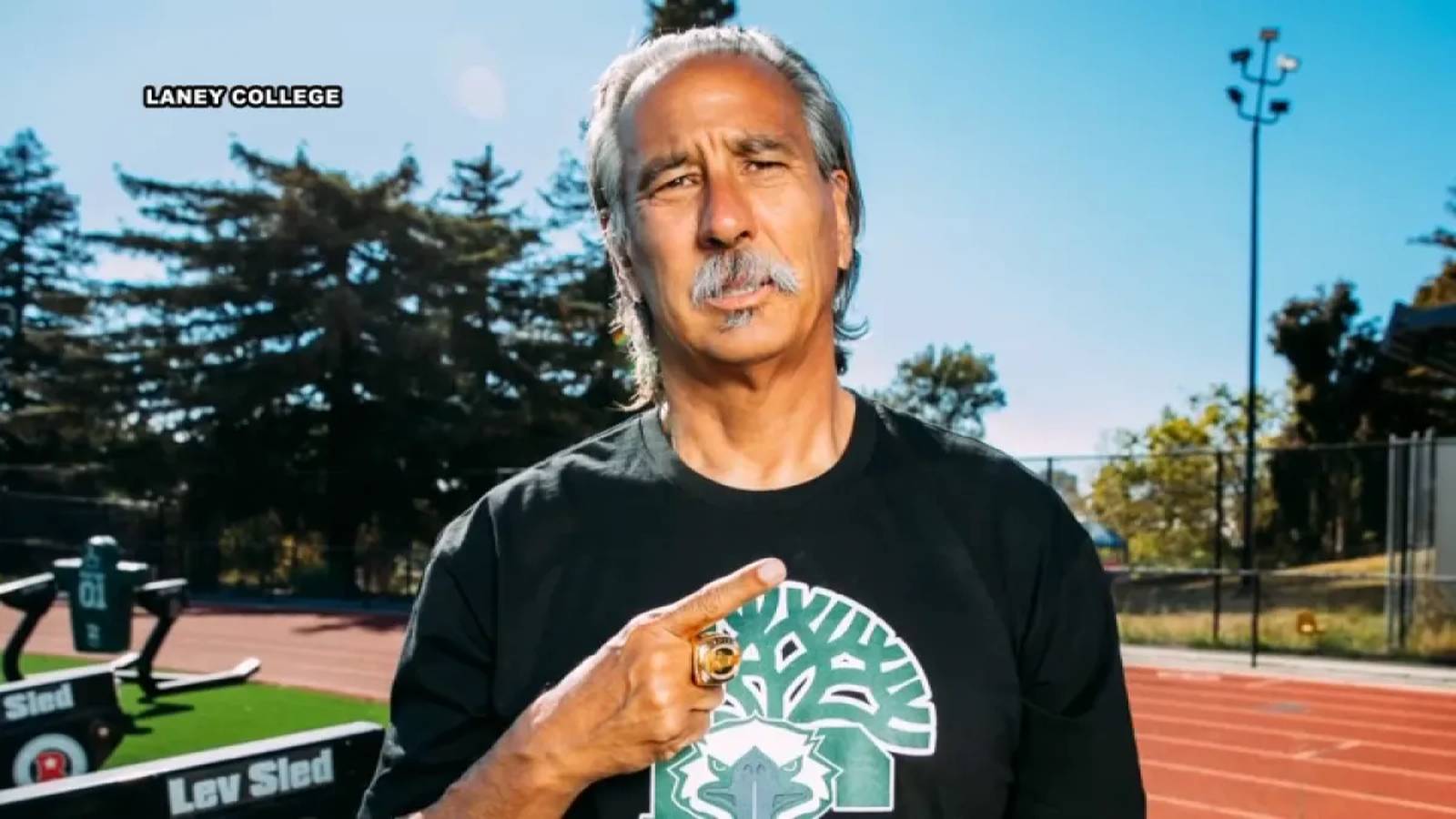
On a quiet Thursday morning at Laney College, the rhythms of student life were shattered by a tragedy that has since reverberated far beyond Oakland. John Beam, the football coach and athletic director who shaped generations of athletes and featured in Netflix’s acclaimed docuseries “Last Chance U,” was shot in the school’s Fieldhouse. By Friday morning, Beam was gone—his death marking the end of an era, but igniting a wave of remembrance and reflection across the community.
Beam’s journey through Oakland’s football scene spanned more than four decades. Arriving at Laney College in 2004 as a running backs coach, he quickly established himself not just as a tactician, but as a mentor and father figure. By 2012, he’d taken the helm as head coach, leading the Laney Eagles to two league titles and the coveted 2018 California Community College Athletic Association championship. Twenty of his players reached the NFL, including C.J. Anderson and Marvel Smith, testament to Beam’s rare ability to turn raw potential into professional talent.
But Beam’s legacy was never confined to scoreboards or draft picks. As Mayor Barbara Lee emphasized, “Coach Beam’s legacy isn’t measured in championships or statistics. It’s measured in the thousands of young people he believed in, mentored, and refused to abandon.” For many Oakland youth, Beam was the person who refused to let go, even when hope seemed lost. He gave them “their best chance,” as Lee said, and never stopped fighting for them.
The shock of Beam’s death was compounded by its circumstances. According to Oakland police, Beam was shot late Thursday morning inside the Fieldhouse. Cedric Irving Jr., a 27-year-old former Skyline High School football player, was arrested in connection with the shooting less than 24 hours later. Surveillance footage from the campus and nearby businesses helped police quickly identify and locate Irving at a BART station in San Leandro. Authorities confirmed that while Irving knew Beam, the two were not close; the motive for the attack remains unclear.
Irving’s presence on and around the Laney campus was noted by police, and he had played football at Skyline High School, though not during Beam’s tenure there. Assistant Chief James Beere described the incident as “very targeted,” underscoring the personal nature of the tragedy. Still, Beere and others stressed Beam’s openness—his willingness to help anyone in the community, regardless of background or connection.
The day before Beam’s shooting, a 15-year-old boy was shot at Skyline High School—a grim reminder of the persistent gun violence facing Oakland schools. Police say the boy is recovering and in good spirits, but the proximity of the incidents has intensified calls for greater campus safety and community support.
Vigils sprang up almost immediately. Hundreds gathered outside the hospital where Beam was treated, unified by grief and the memory of a man who, in the words of Piedmont Police Chief Frederick Shavies, “was so much more than a coach.” Shavies, who never played for Beam but considered him a guiding figure since adolescence, spoke for many when he said, “I lost my father when I was in high school and coach has, since I was 15, 16, 17 years old, always been there for me, has always reached out to me. And it’s not just me.”
Beam’s influence stretched beyond the city limits. His role on “Last Chance U” introduced the world to the struggles and triumphs of junior college athletes, many fighting for a final shot at success. The 2020 season, focused on the Laney Eagles, captured not only the intensity of football but the raw humanity that Beam brought to the game. Former players—like NFL brothers Nahshon and Rejzohn Wright—took to social media to share tributes, recalling Beam’s steadfast support and deep belief in their abilities.
For the Laney College community, the loss is deeply personal. Staff, students, and alumni remember Beam as a presence in their lives, whether guiding athletes toward scholarships or simply offering a word of encouragement. His family, in a statement read by police, expressed gratitude for the outpouring of support and asked for privacy as they grieve. “Our hearts are full from the outpouring of love and support from all who cared about him. We are deeply grateful for your continued prayers, well wishes and thoughts. At this time, we kindly ask everyone to fully respect our family’s privacy.”
Law enforcement’s rapid response has drawn praise from city officials, who highlighted the collaborative efforts that led to Irving’s arrest. Mayor Lee, acknowledging the swift investigation, stated, “This arrest is a testament to the effective collaboration and dedication of our law enforcement community.”
Yet, as the city mourns, questions linger about the conditions that led to this violence. Beam’s death, occurring within the walls of an institution meant to nurture and protect, has reignited conversations about campus security, mental health, and the responsibilities borne by educators and community leaders.
In the days ahead, Oakland faces the challenge of honoring Beam’s legacy not just with memorials, but with action. His life was defined by opportunity—by the belief that anyone, given the chance and the right support, could succeed. For those who knew him best, the call is clear: continue the work, mentor the next generation, and ensure that his spirit endures in every young person who dreams of something more.
John Beam’s story is one of impact measured in lives, not statistics. As Oakland grapples with his loss, the imperative is to carry forward his ethos—compassion, opportunity, and an unwavering belief in the potential of youth. The tragedy on Laney’s campus is a stark reminder of vulnerability, but Beam’s legacy remains a beacon for all who strive to make a difference.