
Quick Read
- President Trump launched ‘Project Freedom’ to escort ships through the Strait of Hormuz using 15,000 troops and naval assets.
- Iran has condemned the mission as a violation of the ceasefire, insisting they maintain control over the strategic waterway.
- The U.S. administration frames the operation as humanitarian, while critics in Congress argue the strategy lacks a clear end goal.
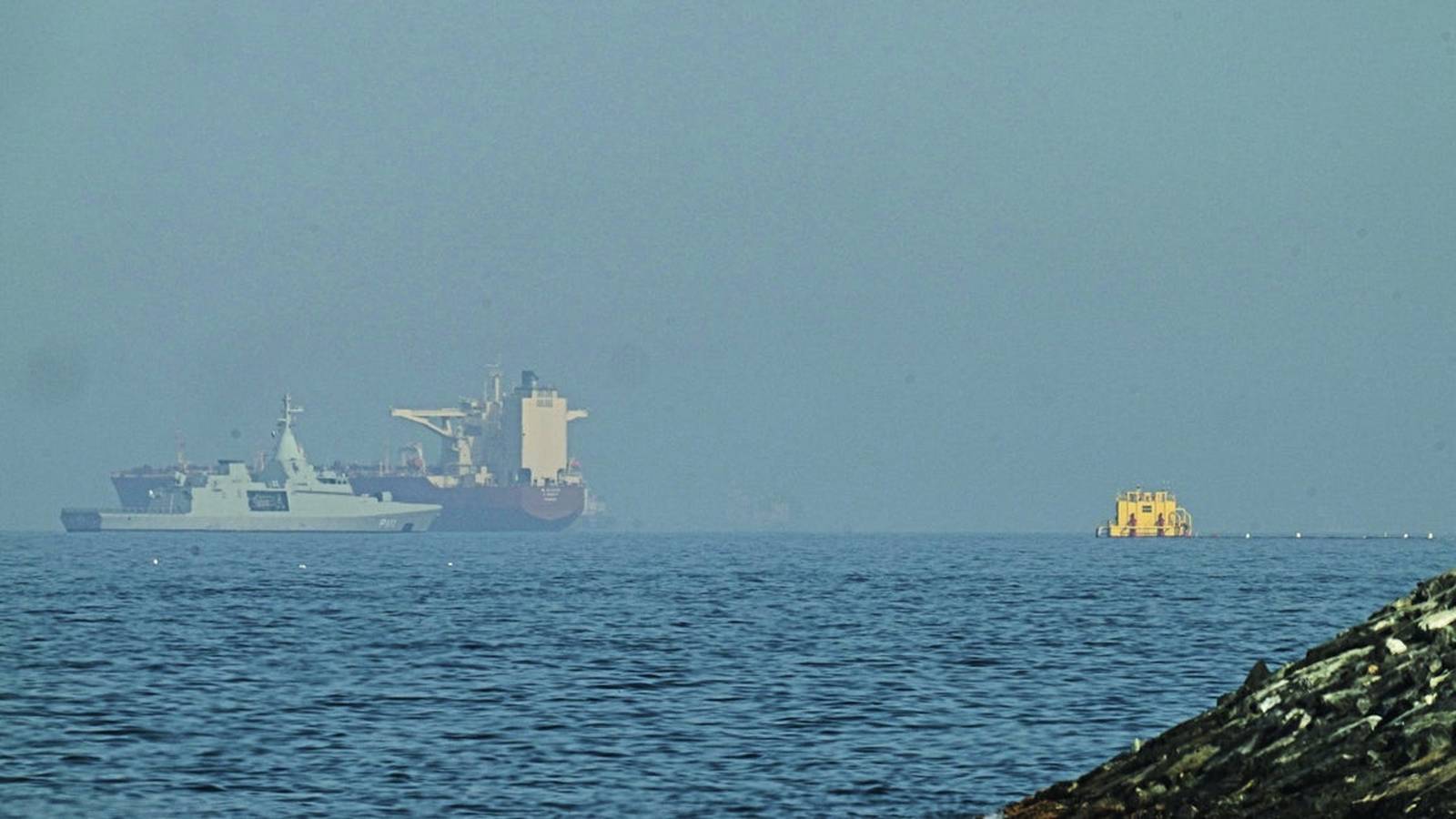
WASHINGTON (Azat TV) – President Donald Trump has officially launched “Project Freedom,” a significant U.S. military operation intended to escort stranded merchant vessels through the increasingly volatile Strait of Hormuz. The mission, which began Monday, involves a massive deployment of guided-missile destroyers, over 100 land and sea-based aircraft, and 15,000 service members, according to U.S. Central Command. The move marks a sharp escalation in the U.S. posture in the region, aimed at securing international shipping lanes that have been effectively paralyzed by the ongoing conflict with Iran.
Escalating Tensions Over Maritime Sovereignty
The announcement has drawn immediate and forceful pushback from Tehran. Ebrahim Azizi, head of the Iranian parliament’s National Security Commission, stated on social media that any American interference in the maritime regime of the Strait would be considered a direct violation of the existing ceasefire. Iranian officials have maintained that the waterway is under their control and have previously asserted that non-allied vessels must pay a toll to transit the passage. The U.S. administration, however, has characterized the operation as a “humanitarian gesture” to assist crews running low on essential supplies, while simultaneously maintaining a blockade that officials claim is placing extreme economic pressure on the Iranian regime.
The Strategic Stakes of Project Freedom
The launch of Project Freedom comes as Iran’s economy faces mounting instability, with the rial plummeting to record lows and reports of widespread factory closures. Despite the economic strain, Iran has remained defiant, recently proposing a 14-point plan to resolve hostilities within 30 days. President Trump confirmed on Saturday that he is reviewing the proposal but expressed skepticism regarding its viability, noting that he believes Iran has not yet “paid a big enough price” for its regional actions. Meanwhile, market analysts are closely watching the impact on global energy supplies; the closure of the strait has already removed millions of barrels of oil per day from the global market, leading several OPEC+ nations to announce modest production increases in June to mitigate the supply shock.
Legal and Military Uncertainties
The operation has sparked domestic debate in Washington, particularly regarding the limits of executive power. Acting Attorney General Todd Blanche defended the administration’s actions on Sunday, asserting that the U.S. is not legally at war with Iran and that all military movements have been conducted in compliance with the War Powers Resolution. However, critics like Sen. Jack Reed, the ranking Democrat on the Senate Armed Services Committee, have argued that the administration lacks a clear long-term strategy, labeling the current approach as “impulsive” and “day to day.” As U.S. forces position themselves for potential strikes, the ambiguity surrounding the duration and scope of Project Freedom continues to leave regional allies and international observers on edge.
While the deployment of 15,000 troops provides a tactical advantage in protecting merchant vessels, the lack of a defined exit strategy or a diplomatic resolution to the underlying nuclear and regional disputes suggests that the U.S. remains locked in a high-stakes standoff where military posturing is increasingly substituting for a sustainable strategic framework.