
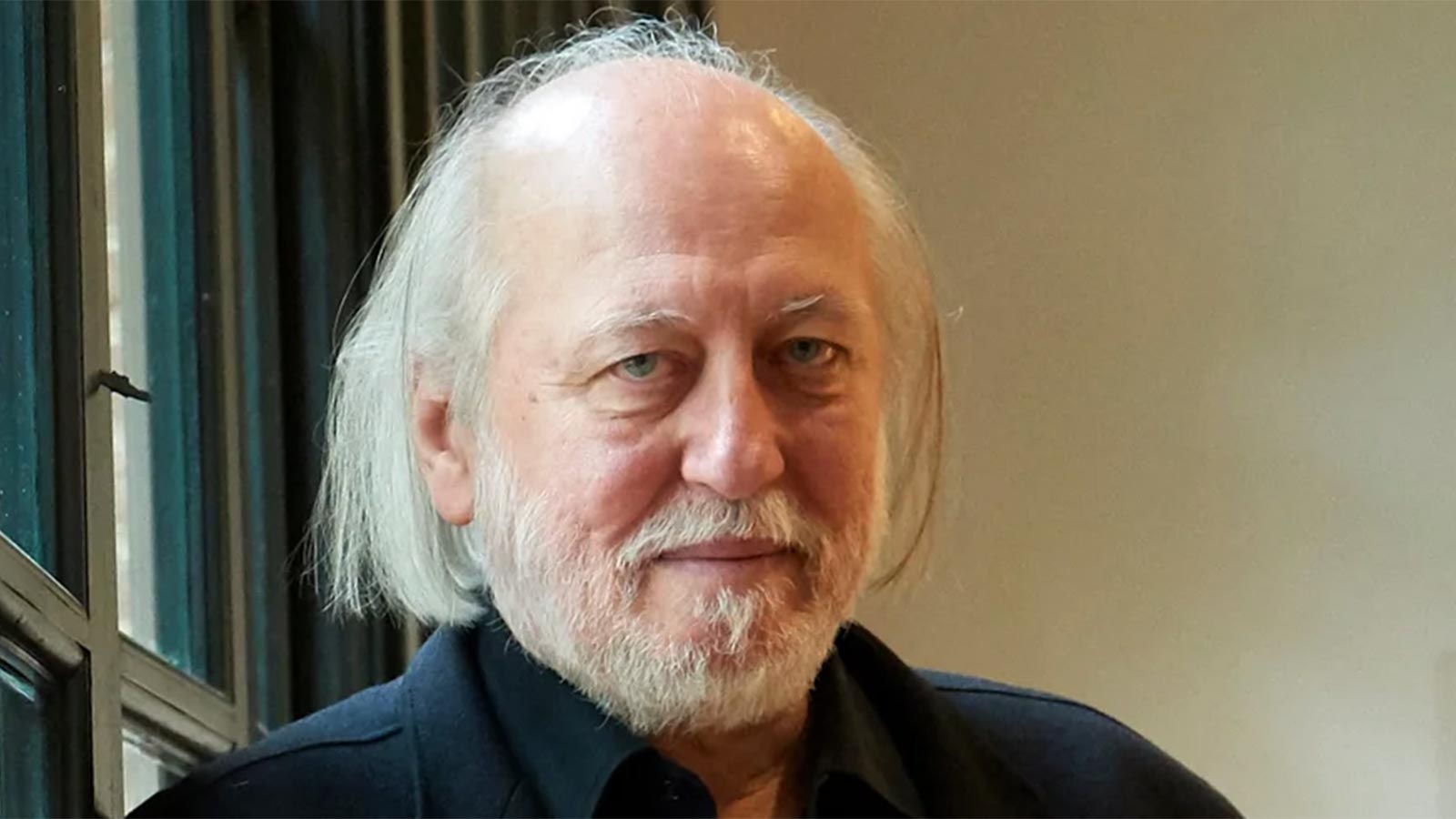
Quick Read
- Laszlo Krasznahorkai won the 2025 Nobel Prize in Literature.
- He is renowned for dystopian, apocalyptic novels and long, winding prose.
- His works have been translated and adapted into films, notably with Béla Tarr.
- He draws inspiration from Central Europe and East Asia.
- Krasznahorkai is only the second Hungarian to win the Nobel for literature.
Laszlo Krasznahorkai: From Gyula to the Nobel Stage
On October 9, 2025, the Swedish Academy announced that Laszlo Krasznahorkai—Hungary’s master of literary apocalypse—would receive the Nobel Prize in Literature. The citation lauded his “compelling and visionary oeuvre that, in the midst of apocalyptic terror, reaffirms the power of art.” For Krasznahorkai, now 71, this honor marks the summit of a career defined by relentless stylistic innovation and an unflinching gaze into the darkest corners of human experience.
Born in the remote town of Gyula, near Hungary’s border with Romania, Krasznahorkai’s literary journey began in the shadow of communism. His first novel, Satantango (1985), unfolded in a forsaken collective farm, painting a haunting tableau of a community on the brink of collapse. The book’s hypnotic style and bleak vision electrified Hungary’s literary scene and later captured global attention, especially after its English translation won the 2015 Man Booker International Prize.
Epic Visions: Art in the Face of Chaos
Krasznahorkai’s fiction is not for the faint of heart. His narratives—often described as postmodern, but more accurately Central European in their absurdism and grotesque excess—are populated by characters who confront forces larger than themselves. In The Melancholy of Resistance (1989), a ghostly circus brings a giant whale carcass to a Carpathian town, unleashing chaos and violence. The arrival of this bizarre spectacle triggers a breakdown of order, with military impotence and the threat of dictatorship swirling in the background.
Critics have long reached for metaphors to describe Krasznahorkai’s work. Susan Sontag dubbed him the “master of apocalypse,” while Anders Olsson, chair of the Nobel committee, connected his style to Kafka and Thomas Bernhard. Krasznahorkai’s signature is his syntax: sentences unspooling across pages, paragraphs lasting entire chapters, as in Satantango. This relentless prose mirrors the relentless worlds he builds—places where hope is fragile, and waiting for miracles is a fool’s errand, as the novel’s Kafka epigraph warns: “In that case, I’ll miss the thing by waiting for it.”
Literary Collaborations and Global Reach
Much of Krasznahorkai’s international reputation stems from his partnership with filmmaker Béla Tarr. Together, they adapted several novels, most famously Satantango into a seven-hour film regarded as a masterpiece of slow cinema. Their work together—on Werckmeister Harmonies, Damnation, and The Turin Horse—brought the philosophical weight of Krasznahorkai’s prose to the screen, amplifying its impact.
But the author’s vision extends far beyond Hungary. After leaving communist Hungary for West Berlin in 1987, Krasznahorkai embarked on travels that would shape his art. He drew inspiration from Mongolia and China for works like The Prisoner of Urga and Destruction and Sorrow Beneath the Heavens. His time in New York, living in Allen Ginsberg’s apartment, proved pivotal for War & War (1999), a novel where a humble archivist journeys from Budapest to the heart of the world, seeking meaning amid chaos.
His later works, such as A Mountain to the North, a Lake to the South, Paths to the West, a River to the East (2003) and Seiobo There Below (2008), reflect a contemplative turn, influenced by Japanese and Chinese culture. In Seiobo There Below, seventeen stories arranged in a Fibonacci sequence meditate on artistic creation and beauty’s fleeting nature, echoing the Japanese myth of Seiobo and her immortal fruit. The opening image—a heron standing motionless in Kyoto’s Kamo River—serves as a metaphor for the artist’s solitude and the invisible labor behind creation.
Recognition, Influence, and the Power of Art
Despite his towering reputation, only a handful of Krasznahorkai’s works are available in English, making them prized by readers and critics alike. James Wood once described his books as “rare currency” among literary circles. The universality of Krasznahorkai’s vision has drawn praise from WG Sebald and earned awards across continents, including the National Book Award for Translated Literature in 2019.
The 2025 Nobel Prize places Krasznahorkai in a lineage of Central European writers who have grappled with history’s weight—Kafka, Bernhard, Sebald—and with the absurdity and violence of the modern world. In his own words, Krasznahorkai describes his process as “Beauty in language. Fun in hell.” When asked what he would recommend to new readers, he offered not a book, but an experience: “Go out, sit down somewhere, perhaps by the side of a brook, with nothing to do, nothing to think about, just remaining in silence like stones. They will eventually meet someone who has already read my books.”
His most recent novel, Herscht 07769 (2021), set in contemporary Germany, continues his exploration of violence and beauty—this time through the eyes of Herscht, a childlike figure caught in social unrest. The backdrop of Johann Sebastian Bach’s legacy weaves together terror and transcendence, reaffirming Krasznahorkai’s conviction that art endures even as the world unravels.
On December 10, Krasznahorkai will receive his Nobel medal and diploma in Stockholm, joining the ranks of literary giants. For Hungary, he is only the second recipient of the Nobel for literature—a testament to the enduring power of words crafted in adversity.
Laszlo Krasznahorkai’s Nobel win is more than a personal triumph; it is a recognition of literature’s ability to confront despair and transform it into lasting beauty. His works stand as a bridge between the darkness of history and the fragile hope offered by art, reminding us that even in the deepest apocalypse, creativity persists.
Sources: NobelPrize.org, The Guardian, Al Jazeera