


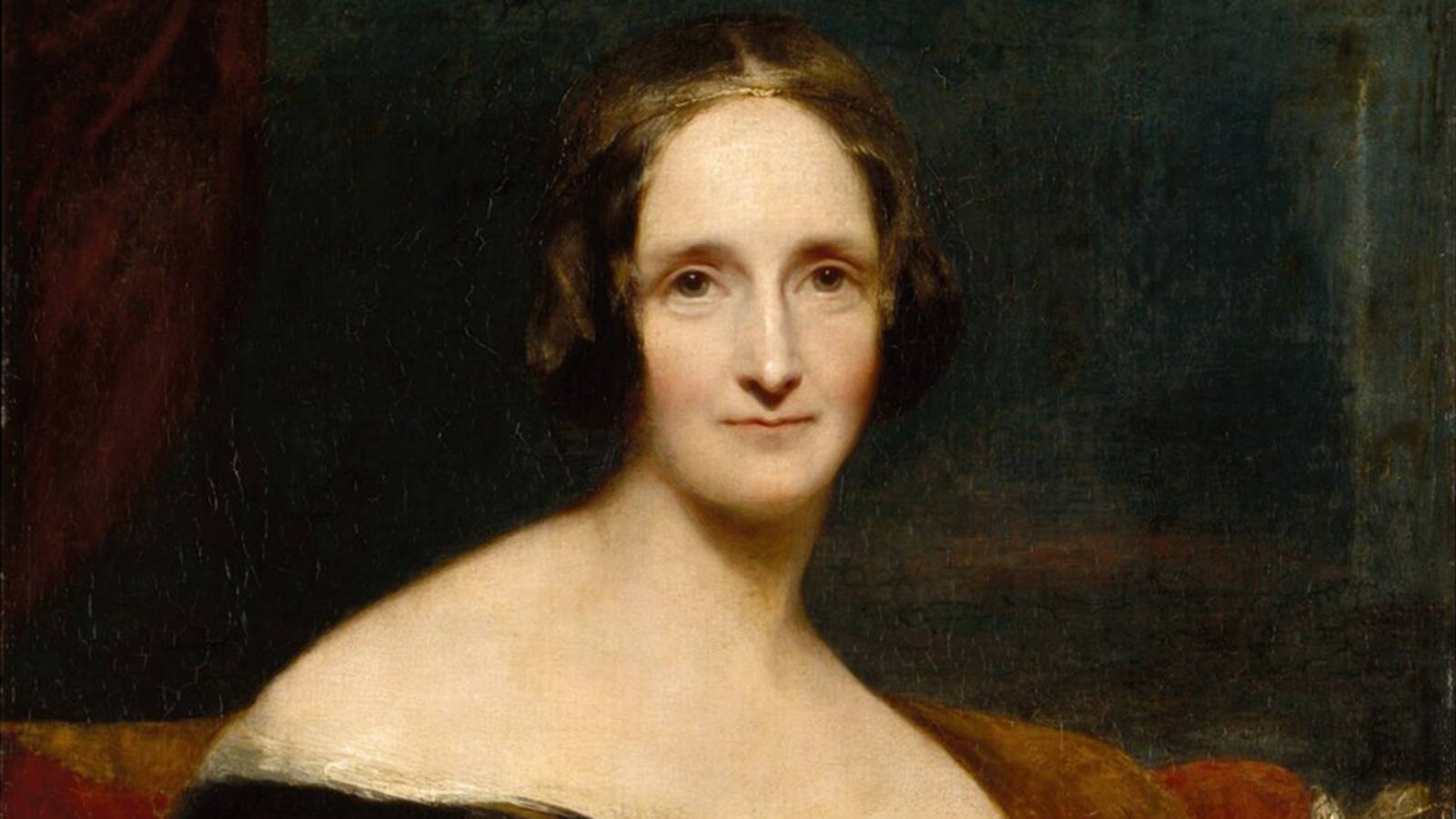
Mary Shelley’s “Frankenstein; or, The Modern Prometheus” is one of the most enduring works of literature, a story that has transcended its time to become a cultural cornerstone. Published in 1818, the novel delves into themes of creation, ambition, isolation, and the ethical dilemmas of scientific discovery. Over two centuries later, its impact continues to resonate, inspiring countless adaptations across stage, screen, and literature. Guillermo del Toro’s recent adaptation of “Frankenstein” is a testament to the story’s timeless allure, offering a fresh take on Shelley’s masterpiece while maintaining its core essence.
The Origins of Mary Shelley’s “Frankenstein”
Mary Shelley wrote “Frankenstein” at the tender age of 18 during a summer spent in Switzerland with notable literary figures such as Percy Bysshe Shelley and Lord Byron. The novel was born out of a ghost story competition, but its depth and complexity far surpassed the constraints of its origin. Drawing from the scientific advancements of her time, including experiments with electricity and galvanism, Shelley crafted a narrative that questioned the boundaries of human ambition and the consequences of playing god.
The story centers around Victor Frankenstein, an ambitious scientist who creates life but immediately rejects his grotesque creation. The creature, intelligent and eloquent yet hideously disfigured, becomes a tragic figure, yearning for companionship and acceptance but driven to vengeance by humanity’s rejection. Shelley’s work is as much a critique of Victor’s hubris as it is a poignant exploration of the creature’s plight, making it a deeply human story cloaked in Gothic horror.
Frankenstein’s Evolution in Popular Culture
Since its publication, “Frankenstein” has been adapted and reimagined in myriad ways, each interpretation highlighting different facets of Shelley’s narrative. The 1931 film directed by James Whale is perhaps the most iconic, introducing the lumbering, bolt-necked monster played by Boris Karloff. While this adaptation deviates significantly from the novel, it cemented the image of Frankenstein’s creature in popular imagination.
Subsequent adaptations have explored the novel’s themes through various lenses. Kenneth Branagh’s 1994 film “Mary Shelley’s Frankenstein” aimed for fidelity to the source material, while Mel Brooks’s 1974 comedy “Young Frankenstein” offered a satirical take. More recent works like Alex Garland’s “Ex Machina” and Guillermo del Toro’s adaptation explore the ethical dilemmas of creation in a modern context, proving the story’s relevance in an age of artificial intelligence and genetic engineering.
Guillermo del Toro’s Vision
Guillermo del Toro, a self-professed devotee of Mary Shelley, brings a deeply personal touch to his adaptation of “Frankenstein.” Unlike many previous versions, del Toro’s film gives equal narrative weight to both Victor Frankenstein and his creation. By splitting the story into “Victor’s Tale” and “The Creature’s Tale,” del Toro emphasizes the intertwined fates and emotional depths of both characters.
Set in the 1850s during the Crimean War, del Toro’s film introduces new elements while staying true to the novel’s spirit. Victor’s experiments are contextualized within the horrors of war, as he uses the corpses of fallen soldiers for his creations. The character of Elizabeth is reimagined as a more independent and intellectually curious figure, reflecting Shelley’s own progressive ideals.
Del Toro also softens the creature’s vengeful rampage, focusing instead on his existential anguish and quest for acceptance. The film’s ending, which sees Victor and the creature reconcile, offers a more hopeful resolution than Shelley’s tragic conclusion, aligning with del Toro’s thematic focus on redemption and humanity.
The Enduring Themes of “Frankenstein”
At its core, “Frankenstein” is a meditation on the human condition. The novel’s exploration of isolation, ambition, and the ethical limits of scientific discovery remains profoundly relevant. Victor’s obsessive pursuit of knowledge serves as a cautionary tale about the dangers of unchecked ambition, while the creature’s tragic journey underscores the devastating effects of rejection and loneliness.
These themes have found resonance in contemporary issues, from the moral dilemmas of artificial intelligence to the societal impact of scientific advancements. Guillermo del Toro’s adaptation highlights these connections, using the framework of Shelley’s narrative to address modern concerns while preserving the story’s timeless appeal.
The Legacy of Mary Shelley’s Creation
Mary Shelley’s “Frankenstein” is more than just a Gothic novel; it is a cultural touchstone that has inspired generations of storytellers. Its adaptability across genres and media speaks to its universal themes and profound emotional resonance. Guillermo del Toro’s film is the latest in a long line of adaptations, each contributing to the evolving legacy of this seminal work.
As we continue to grapple with the ethical implications of scientific discovery and the complexities of human existence, “Frankenstein” remains a vital and thought-provoking narrative. Shelley’s masterpiece challenges us to consider the consequences of our actions and the responsibilities that come with creation, making it as relevant today as it was over two centuries ago.
Mary Shelley’s “Frankenstein” endures as a literary and cultural phenomenon, continually reinvented to reflect the concerns and aspirations of each generation. Guillermo del Toro’s adaptation reaffirms the story’s timeless relevance, offering a fresh perspective on its enduring themes.