
Quick Read
- Lego announced Smart Play interactive bricks at CES 2026, featuring sensors, lights, and sounds.
- The system uses Smart Bricks, Smart Tags, and Smart Minifigures for responsive, collaborative play.
- Star Wars-themed Smart Play sets launch March 1, 2026, with future sets teased for franchises like Pokémon.
On January 5, 2026, Lego took center stage at CES with an announcement that could redefine childhood play. The Danish toy giant introduced the Smart Play system, a new generation of interactive bricks that respond to movement, light, and sound—without ever needing a screen. This marks the company’s most ambitious leap since the debut of the Minifigure nearly half a century ago, aiming to spark imagination in ways previously reserved for digital platforms.
Inside the Smart Play System: Bricks That Listen and React
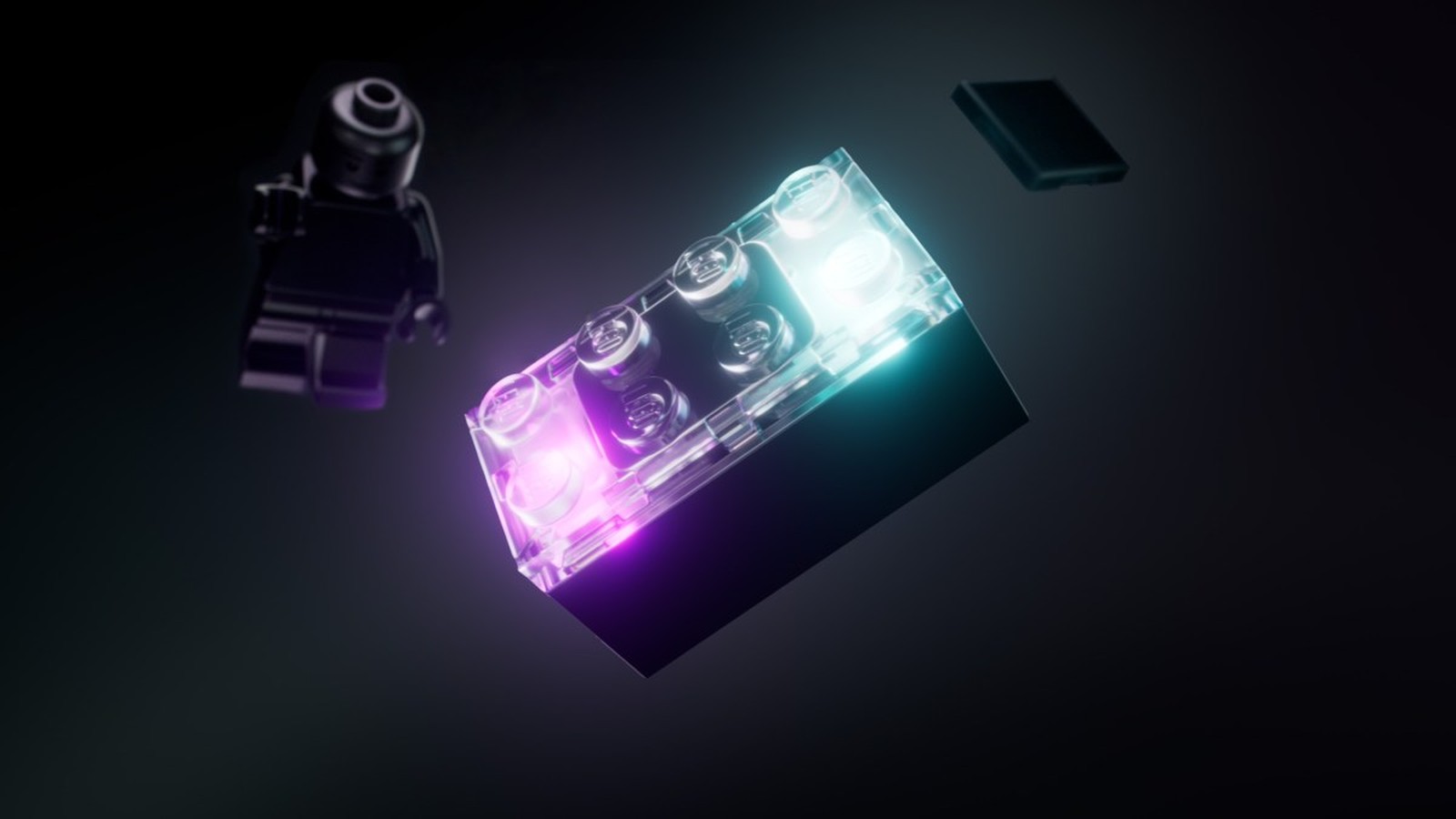
At the heart of the Smart Play system are three elements: the 2×4 Smart Brick, Smart Tag tiles, and Smart Minifigures. The Smart Bricks maintain the familiar dimensions of classic Lego pieces but conceal a sophisticated array of sensors and electronics. Built-in accelerometers, light and sound sensors, an LED array, and a miniature speaker are all powered by a proprietary ASIC chip—the size of a single Lego stud. Wireless charging ensures hassle-free power management, and the internal battery retains its charge for years, even in storage.
Interaction begins when Smart Bricks and Minifigures sense nearby Smart Tags—studless tiles with unique digital IDs. These tags essentially program the bricks’ behavior: for example, attach a helicopter tag and the brick will light up and emit propeller sounds, with its accelerometer adjusting effects based on movement. The system’s innovation lies in its decentralized design. Using Lego’s new Bluetooth-based BrickNet protocol, Smart Bricks recognize each other, forming a collaborative network. No setup or pairing is required; each element automatically joins the system, protected by enhanced encryption and privacy controls, as reported by TechCrunch.
The CES demonstration showcased the system’s versatility. A single Smart Brick could animate a Lego car, duck, or airplane—revving engines, quacking, or shouting depending on the play scenario. Adding more bricks unlocked coordinated reactions: a network of bricks distributed awareness, enabling multiple characters and features to interact seamlessly.
Star Wars Leads the Smart Play Lineup
Lego’s Smart Play debut features three Star Wars-themed sets, set to launch on March 1, 2026, with preorders beginning January 9. Dave Filoni, Chief Creative Officer of Lucasfilm, joined Lego at CES to introduce the collaboration. These sets bring iconic moments from the franchise to life, animating characters and vehicles with responsive sounds, lights, and actions.
Among the first releases, the Luke’s Red Five X-Wing building set (584–585 pieces) includes Smart Minifigures of Luke Skywalker and Princess Leia, a Smart Brick, and five Smart Tags. The set promises interactive laser and engine sounds, light effects, and repair simulations, retailing for $69.99. The Darth Vader’s TIE Fighter set (473 pieces) features a brick-built Rebel Outpost, Imperial Fueling Station, Smart Minifigures, and engine sound effects for the same price. The flagship offering, Throne Room Duel & A-Wing building set (962 pieces), lets fans re-enact the climactic lightsaber duel from Return of the Jedi. It comes with three Smart Minifigures, a Smart Tag-enabled cannon turret, and two Smart Bricks to simulate lightsaber battles and play the Imperial March as the Emperor takes his seat, priced at $159.99.
These sets demonstrate how Smart Play technology can transform static models into dynamic, interactive experiences, responding to how children build and play. Julia Goldin, LEGO Group’s chief product and marketing officer, described the launch as “the next exciting chapter in our Lego System in Play,” emphasizing the company’s commitment to evolving alongside new generations.
Potential and Possibilities: Beyond Star Wars
Lego’s recent focus on gaming-themed sets has laid the groundwork for Smart Play. The 2020 launch of the LEGO Super Mario series introduced battery-powered figures that interacted with special pieces. Now, Smart Play expands these possibilities, with speculation swirling around future integrations with Sonic the Hedgehog, Legend of Zelda, and Pokémon. According to Mashable, the upcoming Pokémon collaboration, scheduled for 2026, could leverage Smart Bricks to bring Pokémon to life with authentic sounds, moves, and even simulated capture mechanics.
While the Smart Play system’s screen-free approach distinguishes it from app-driven toys, the option to install new firmware via a phone app ensures that play experiences can evolve over time. The underlying technology—magnetic positioning, encrypted wireless communication, and decentralized logic—points to a future where toys adapt to new stories and universes, limited only by the imagination of their designers and players.
Other Lego Developments and Industry Context
The Smart Play reveal came alongside other Lego news, including the unveiling of the Technic Jeep Wrangler Rubicon SUV—a 723-piece set replicating the off-roader’s facelifted design. While not part of the Smart Play ecosystem, the Jeep highlights Lego’s ongoing commitment to innovation and variety across its product lines.
As reported by techeblog.com, Lego’s approach stands out for its simplicity. No complex setup or proprietary hardware is needed beyond the bricks themselves. The battery’s longevity, wireless charging, and automatic connectivity suggest that the company aims for mainstream accessibility, not just tech-savvy audiences.
In summary, Lego’s Smart Play system represents a bold step toward interactive, collaborative play that remains rooted in tactile creativity. The technology may be new, but the spirit—imagination, exploration, and storytelling—is as old as Lego itself.
Based on the available facts, Lego’s Smart Play system is a significant innovation in physical play, blending sensor-driven interactivity with classic construction. If adoption matches Lego’s ambitions, the system could reshape how children and fans experience building, making screen-free, intelligent play a new standard for the toy industry.