
Quick Read
- Lina Khan opposed Microsoft’s acquisition of Activision Blizzard due to concerns over market consolidation and potential price hikes.
- Microsoft’s Game Pass subscription has seen significant price increases since the acquisition, validating some of Khan’s warnings.
- Thousands of layoffs and game cancellations followed the merger, raising questions about Microsoft’s commitment to its employees and customers.
- The controversy has highlighted broader issues of market consolidation in the gaming industry and its impact on consumers and developers.
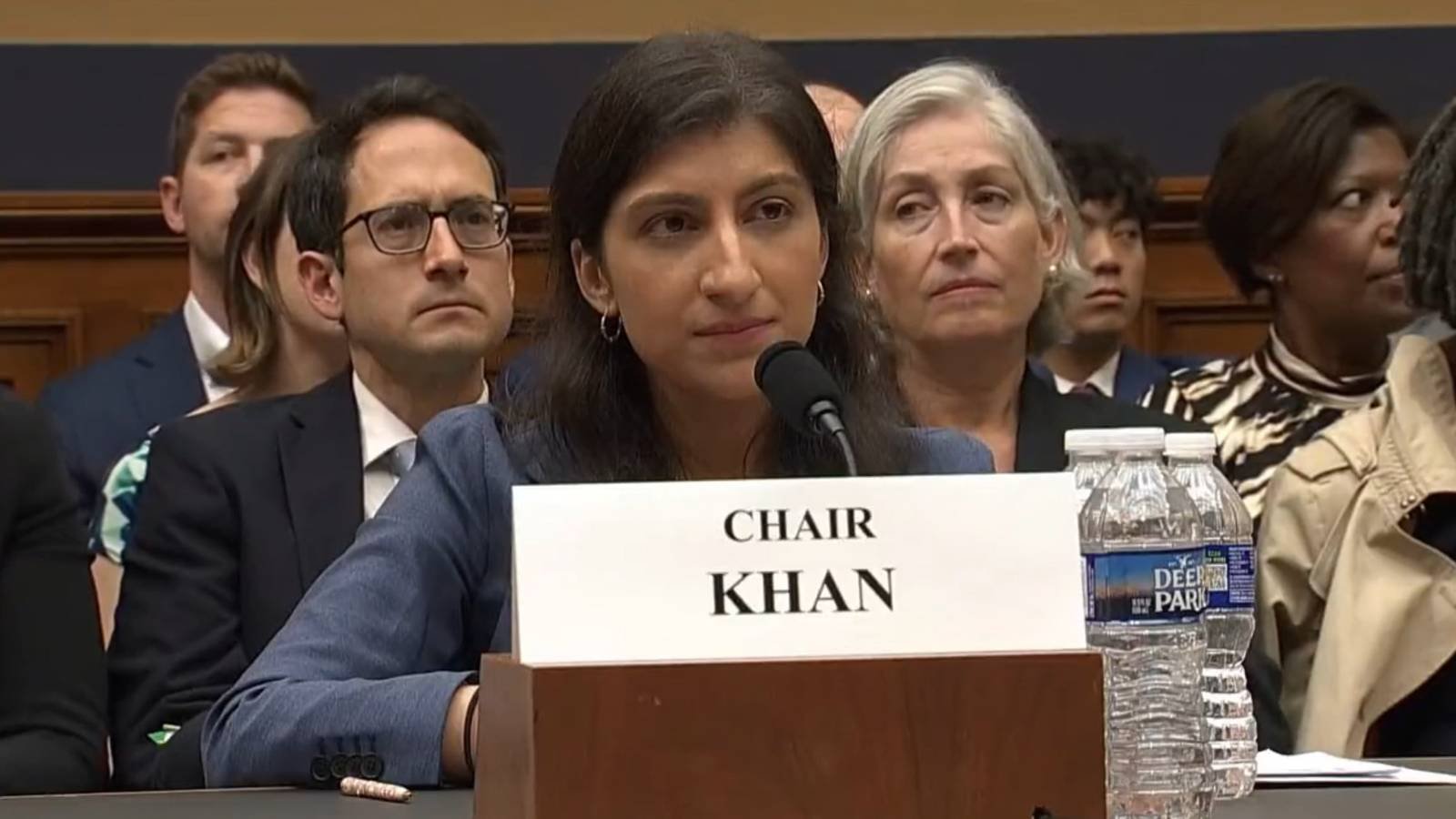
Lina Khan, the former chair of the Federal Trade Commission (FTC), has become a focal point in the gaming industry’s ongoing discourse surrounding Microsoft’s acquisition of Activision Blizzard. The deal, finalized in 2023 for over $70 billion, was one of the largest acquisitions in gaming history. However, it has since been marred by controversy, particularly concerning the subsequent price hikes to Xbox’s Game Pass subscription service and significant layoffs. Khan, who led the FTC’s opposition to the acquisition, has recently reiterated her concerns, claiming that these outcomes validate the agency’s initial objections to the deal.
The FTC’s Initial Opposition to the Acquisition
When Microsoft announced its intention to acquire Activision Blizzard, it faced immediate scrutiny from regulatory bodies around the world, including the FTC. Lina Khan, as the chair of the commission, spearheaded efforts to block the merger. The FTC argued that the acquisition could substantially lessen competition in the gaming industry and lead to monopolistic practices.
One of the key concerns raised during the legal battles was the potential for Microsoft to increase prices for its services, particularly the popular Game Pass subscription. Microsoft, however, assured regulators and the public that the acquisition would not result in price hikes. The company positioned the deal as a move to benefit consumers and enhance competition, rather than stifle it. Despite these assurances, the FTC maintained its stance, warning that market consolidation often leads to price increases and reduced consumer choice.
Game Pass Price Hikes: A Vindication for Lina Khan?
Fast forward to the present, and Microsoft’s Game Pass subscription service has undergone multiple price hikes since the acquisition of Activision Blizzard. The most recent increase has sparked widespread criticism from both consumers and industry experts. Game Pass Ultimate, the premium tier of the service, now costs $29.99 per month, a sharp rise compared to its original price point. This increase has been attributed to the financial pressures stemming from the massive cost of the acquisition.
For Lina Khan, these developments serve as a validation of her initial warnings. In a recent statement, she accused Microsoft of becoming “too-big-to-care,” arguing that the company is now in a position where it can raise prices and reduce services without fear of losing customers. She also highlighted the broader implications of market consolidation, noting that such actions often lead to harm for both consumers and developers. According to Khan, the layoffs and price hikes are indicative of a company prioritizing profits over its responsibilities to its customers and employees.
The Broader Impact on the Gaming Industry
The ramifications of Microsoft’s acquisition of Activision Blizzard extend beyond the company’s own operations. The deal has had a ripple effect across the gaming industry, influencing the strategies of competitors like Sony and Nintendo. While some Xbox games, such as Call of Duty, have become more accessible across platforms, other aspects of Microsoft’s gaming business have faced significant criticism.
Competitors like Sony have also been accused of anti-competitive practices, such as restricting the sale of cheaper digital games on the PlayStation Store. Meanwhile, Nintendo has continued to maintain high prices for its hardware and software. These developments suggest that the issues raised by the FTC are not unique to Microsoft but are indicative of broader trends in the gaming industry.
Layoffs and Corporate Strategies
Another contentious issue has been the series of layoffs that followed the acquisition. Microsoft has laid off thousands of employees across its gaming division, including at Activision Blizzard and Xbox. These layoffs have not only affected individual workers but have also raised questions about the company’s long-term commitment to its employees and the gaming community.
Despite these challenges, Microsoft has defended its actions, arguing that they are necessary for the company’s long-term success. Xbox head Phil Spencer has stated that the gaming division has “never looked stronger,” emphasizing the benefits of the Activision Blizzard acquisition. However, critics argue that these benefits have come at a significant cost to both consumers and employees.
What Lies Ahead for Microsoft and the Gaming Industry?
The controversy surrounding Microsoft’s acquisition of Activision Blizzard and its aftermath raises important questions about the future of the gaming industry. As market consolidation continues, regulatory bodies like the FTC are likely to face increasing pressure to scrutinize similar deals more closely. Lina Khan’s warnings serve as a cautionary tale, highlighting the potential risks of allowing large corporations to dominate the market.
For gamers and developers, the challenges are clear. Rising prices and reduced competition could limit choices and stifle innovation, ultimately harming the industry as a whole. As the gaming landscape continues to evolve, it remains to be seen how companies like Microsoft will navigate these challenges and whether regulatory bodies will take stronger actions to protect consumers and promote fair competition.
Lina Khan’s stance on Microsoft’s acquisition of Activision Blizzard serves as a critical lens through which to examine the impact of market consolidation in the gaming industry. Her warnings about price hikes and layoffs have proven prescient, raising important questions about the balance between corporate growth and consumer interests.