
Quick Read
- Khalil Wilkins made his first career start for West Virginia at BYU due to injuries to other quarterbacks.
- Wilkins scored a rushing touchdown and posted 75 yards on 17 carries by the third quarter.
- He previously led two touchdown drives against Utah, showing strong potential under pressure.
- Wilkins’s start highlighted WVU’s quarterback depth and offered hope for the team’s future.
Khalil Wilkins Steps Up Amid Quarterback Crisis
On a brisk night in Provo, Utah, the narrative for West Virginia University’s football team shifted rapidly. Khalil Wilkins, a redshirt freshman and Washington D.C. native, found himself thrust into the national spotlight, making his first career start against the 23rd-ranked BYU Cougars. The moment wasn’t just about filling in; it was about resilience, adaptability, and the unpredictability that defines college football.
Wilkins’s unexpected start came after a string of injuries sidelined both Nicco Marchiol and Jaylen Henderson, West Virginia’s primary quarterbacks. Marchiol, who had led the Mountaineers through the first four games of the season, was ruled out again due to persistent foot pain. Henderson, the redshirt senior who stepped in last week against Utah, was also declared out after being listed as questionable earlier in the week.
This left Wilkins as the next man up—a role every backup dreams about but few can fully prepare for until the moment arrives. For Wilkins, that moment arrived under the bright lights and high stakes of a primetime road game.
Making an Impact: Wilkins Ignites the Offense
Wilkins’s performance was a study in perseverance and learning on the fly. Early in the game, the Mountaineers’ offense struggled to find rhythm. Wilkins managed just 20 passing yards in the first half, a testament to both BYU’s defensive pressure and the nerves that accompany a first start. But as the game wore on, Wilkins’s confidence—and his command of the offense—grew.
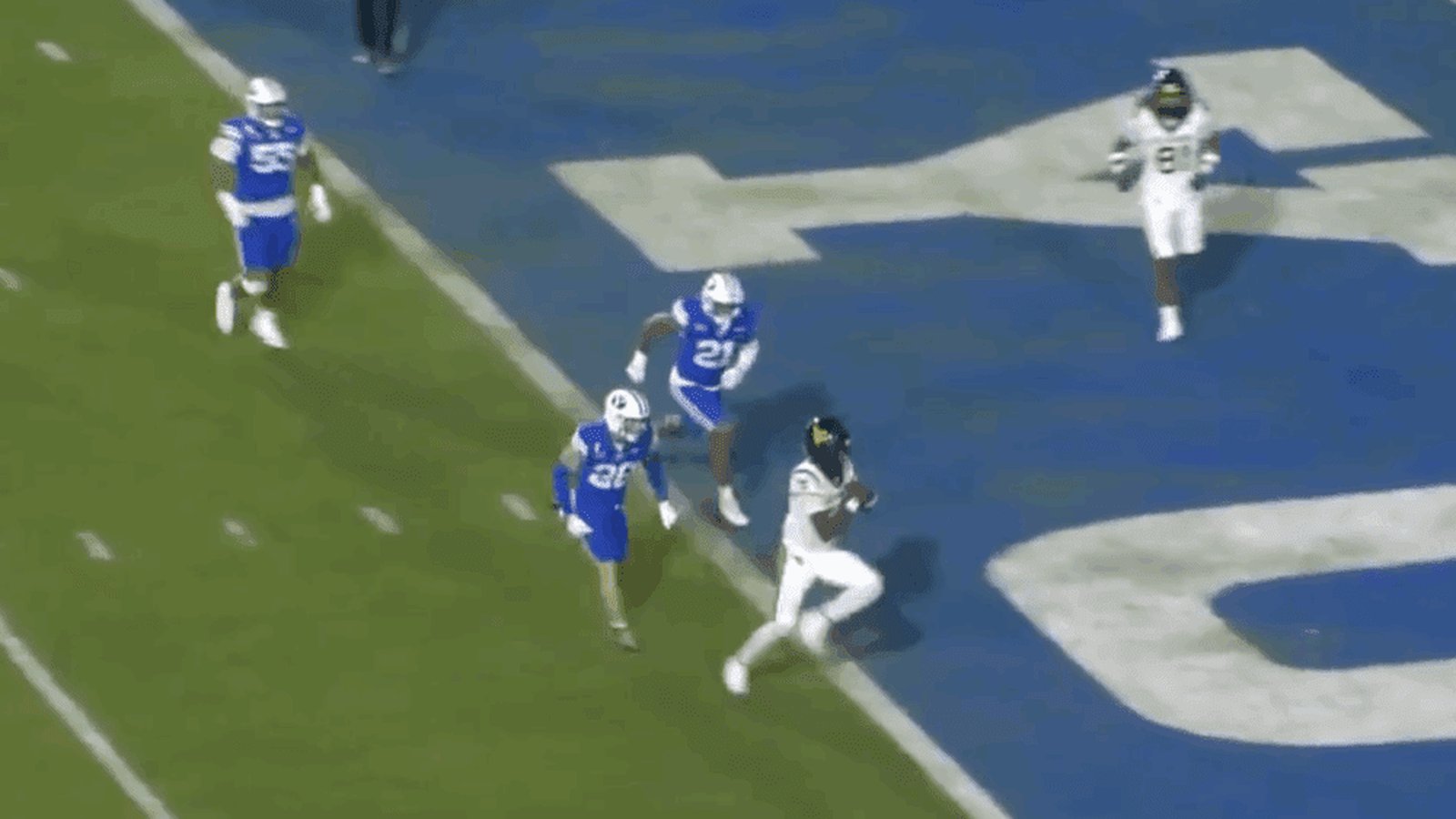
The tide began to turn in the second half. After a pivotal moment when linebacker Ben Cutter recovered a BYU fumble, Wilkins capitalized on the short field. With determination, he kept the ball on a six-yard run, powering into the end zone for his first touchdown as a starter. It was a hard-earned score, cutting BYU’s lead to 31-17 and sparking hope on the West Virginia sideline (WVSportsNow).
Wilkins’s ability to respond to adversity wasn’t limited to that one play. Throughout the night, he showed flashes of poise, completing a handful of crucial passes and using his legs to escape pressure. By the end of the third quarter, Wilkins had rushed for 75 yards on 17 carries—a sign that he was willing to shoulder the offensive load, even as a freshman. He also matched his first-half passing total on his first drive of the second half, showing rapid in-game improvement.
Behind the Numbers: Leadership Beyond the Stat Sheet
The numbers tell only part of the story. Wilkins finished the previous week’s game against Utah by completing 3-of-6 passes for 63 yards and a touchdown, while adding 39 rushing yards. Against BYU, his stats reflected the growing pains and promise of a young quarterback learning on the job. Still, what stood out wasn’t just what he did with the ball, but how he managed the huddle, kept his composure, and rallied a team facing adversity.
Wilkins led two touchdown drives in the prior game, including a 39-yard strike to Cam Vaughn and a one-yard scoring run by Diore Hubbard. That ability to finish drives and energize his teammates carried over into his first start, even as the team faced a tough opponent on the road.
With both true freshman Scotty Fox Jr. and redshirt junior Max Brown suited up as backups, the coaching staff placed their trust in Wilkins to steady the offense. His presence under center provided a glimpse into the program’s depth and the next generation of Mountaineer leadership.
Looking Ahead: A New Chapter for WVU Football
For Wilkins and West Virginia, the BYU game was more than just another date on the calendar. It was a proving ground—a test of depth, preparation, and character. While the Mountaineers ultimately fell short on the scoreboard, Wilkins’s effort offered hope for the future and a reminder of the unpredictable nature of sports.
The quarterback position is often described as the heart of a football team. On this night, Wilkins’s heart was on full display. He played with grit, embraced the moment, and earned the respect of teammates and coaches alike.
As the season continues, questions remain: Will Marchiol or Henderson return to reclaim the starting job? Or has Wilkins’s poise under pressure earned him a longer look from the coaching staff? Regardless, the Mountaineers now know they have a capable, confident young leader waiting in the wings.
Khalil Wilkins’s first start at BYU may not have ended in victory, but it revealed a quarterback ready to seize opportunity and grow from adversity. In college football, those qualities matter as much as any stat line—and could shape the Mountaineers’ trajectory for seasons to come.