
Quick Read
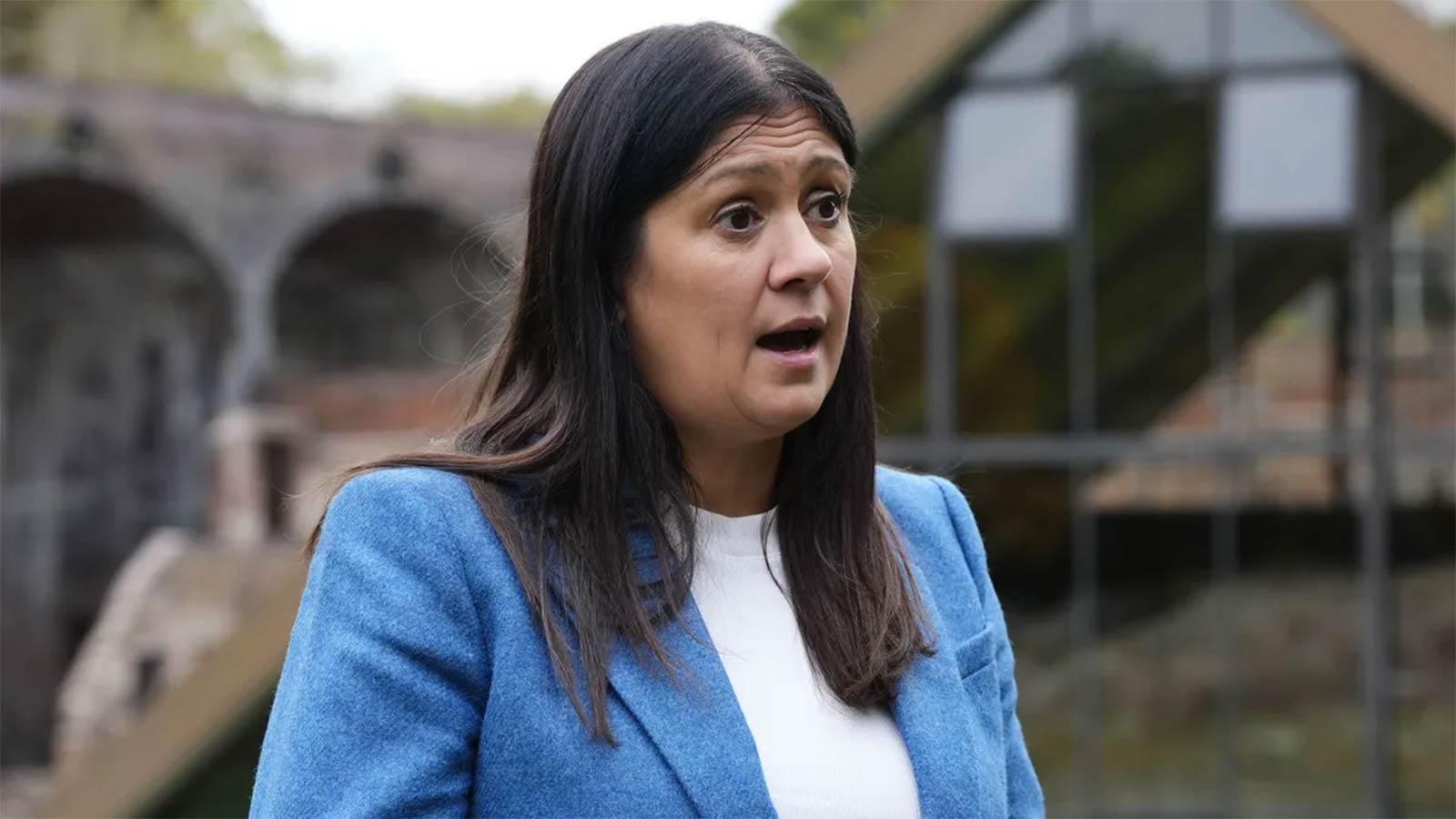
- Culture Secretary Lisa Nandy pledged government resources to allow Maccabi Tel Aviv fans to attend the Aston Villa match.
- The Safety Advisory Group barred away fans citing safety concerns after previous violent incidents.
- Nandy called the decision “wrong” and highlighted the broader issue of rising antisemitism.
- The ban could be reviewed if West Midlands Police changes its risk assessment.
- Government maintains police operational independence but is working to support a safe solution.
Lisa Nandy Steps In: Government Pledges Resources for Maccabi Tel Aviv Fans
As the clock ticks towards the UEFA Europa League fixture between Aston Villa and Maccabi Tel Aviv, a heated debate is unfolding in the UK. At the heart of it stands Lisa Nandy, the Culture Secretary, who has made a firm commitment: the government will “find the resources” necessary to allow away fans, including those of Maccabi Tel Aviv, to attend the match in Birmingham on November 6. This promise comes after the city’s Safety Advisory Group (SAG)—comprised of police, council, and safety experts—decided to bar away fans from the game, citing safety concerns.
For many, this decision sparked outrage and raised uncomfortable questions about the intersection of security, discrimination, and the spirit of sport. Nandy’s response, delivered in Parliament, was clear and unwavering: “It is not for the government to assess the risk surrounding this football match. But we are working together to fund the necessary policing operation, so fans from both sides can attend safely.”
Safety Concerns and the Roots of the Ban
The SAG’s decision was rooted in intelligence and previous incidents involving Maccabi Tel Aviv fans, particularly “violent clashes and hate crime offences” during a fixture against Ajax in Amsterdam in November 2024. West Midlands Police classified the Aston Villa match as “high risk” based on these events and broader concerns about rising antisemitism. The context is chilling: just weeks earlier, a synagogue attack in Manchester left two men dead, underscoring the growing tension and vulnerability within the Jewish community.
Yet, as Lisa Nandy pointed out, the core issue was not just about matchday security. “The risk assessment is based in no small part on the risk posed to those fans that are attending to support Maccabi Tel Aviv because they are Israeli and because they are Jewish. Now, we should be appalled by that and never allow it to stand.” Her words resonated through Parliament, sparking a robust debate about the principles at stake.
Government, Police, and the Principle of Independence
Conservative shadow minister Nigel Huddleston called the ban “embarrassing and a disgrace,” pressing for clarity on what practical steps would be taken to ensure the safety of all fans and residents. Conservative MP Danny Kruger went further, suggesting the government should override the ban using powers enshrined in the Police Act. But Nandy was quick to counter: “There is a long-standing principle that police are operationally independent, and I am surprised the MP would seek to question that.”
Downing Street later clarified that such powers could only be used in “rare occasions” when a police force cannot function effectively—a threshold not met in this case. Instead, the government is working with West Midlands Police and Birmingham City Council to support a review of the risk assessment. If the police revise their assessment, the SAG will reconvene to discuss new options. Nandy stressed, “Resources will not be the determining factor in whether Maccabi Tel Aviv fans can be admitted. We will find the resources that need to be made available.”
Antisemitism, Football, and the Wider Context
The debate has unfolded against a backdrop of rising antisemitism in the UK and beyond. Prime Minister Keir Starmer weighed in, calling the exclusion of fans “wrong” and asserting, “We will not tolerate antisemitism on our streets.” Liverpool MP Paula Barker invoked the memory of the Hillsborough disaster, warning of the dangers of ignoring safety concerns and the “slippery slope” it represents.
Ayoub Khan, the MP for Birmingham Perry Barr, whose constituency includes Villa Park Stadium, pushed back against suggestions that the ban was a deliberate act of discrimination against Jews. “Those who are not welcome in Aston are hooligans that have a long history of violence and vile racism,” Khan said, referencing anti-Palestinian chants from some Maccabi Tel Aviv supporters. Aston Villa, sensitive to the risks, told its matchday stewards they were not required to work the fixture if they had concerns.
The Complexity of Modern Football Policing
Lisa Nandy’s intervention has underscored the complexity of policing football in today’s climate. She acknowledged that “there are a minority of supporters in every club, and in this club in particular, whose behaviour is reprehensible, but that is not the case for all fans.” The unprecedented move to ban all away fans because of the behaviour of a minority has raised eyebrows across the sporting world. “We’re working with the police to try and support them, to be able to look at that in the round,” Nandy said, adding that action, not just warm words, was needed.
Her remarks highlight the delicate balance between protecting public safety and upholding the right of fans—regardless of nationality or religion—to participate in sport. It’s a dilemma that stretches beyond football and speaks to the fabric of British society.
Looking Forward: What Comes Next?
As the fixture date approaches, the pressure is mounting. The Safety Advisory Group’s decision could be reversed if West Midlands Police reassess the risks, but the situation remains fluid. The government’s commitment to funding the necessary resources signals a willingness to intervene, but operational independence of the police remains a cornerstone of British governance.
The ongoing dialogue between government officials, law enforcement, and local authorities will determine whether Maccabi Tel Aviv fans can attend the match. For now, the saga has laid bare the anxieties and tensions simmering beneath the surface of British football—and the urgent need for solutions that respect safety, fairness, and inclusivity.
Lisa Nandy’s stance reveals a government grappling with the competing imperatives of security and social justice. By promising resources and challenging the exclusion of fans based on their identity, Nandy has placed the spotlight on the broader struggle against antisemitism and discrimination in public life. The outcome will not only affect a single football match, but also set a precedent for how Britain balances safety with the rights and dignity of all communities. (BBC, GB News, The Guardian)