
Quick Read
- Macron faces a critical confidence vote on September 8 over contentious budget reforms.
- He has voiced concerns over Putin’s potential manipulation of Trump in U.S.-Russia diplomacy.
- Macron condemned the humanitarian crisis in Gaza, blaming Israel’s aid obstruction.
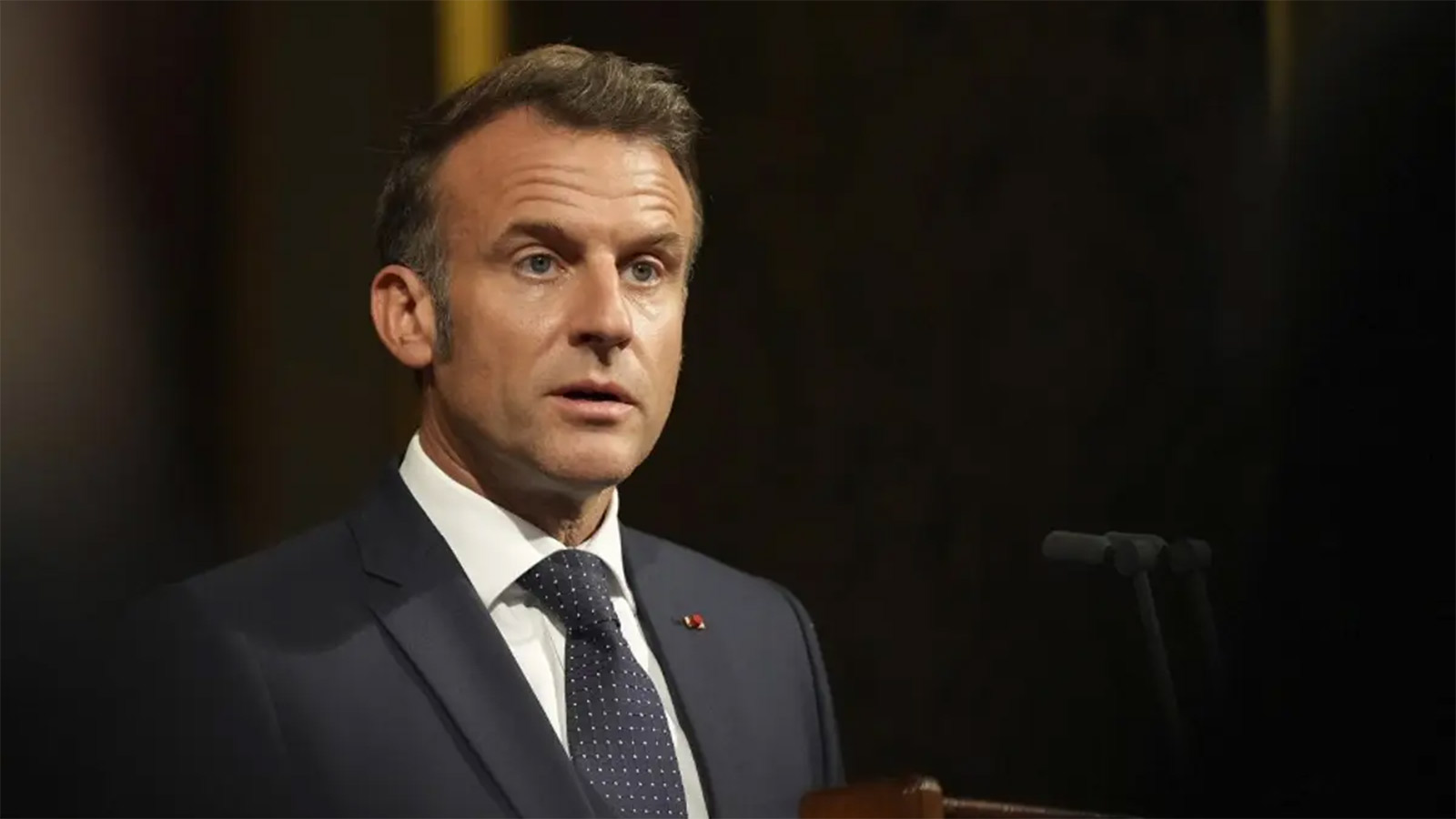
French President Emmanuel Macron is navigating one of the most turbulent periods of his presidency, facing a domestic budgetary crisis, international diplomatic tensions, and escalating humanitarian concerns. These challenges come at a critical juncture, with his government’s stability on the line as a high-stakes confidence vote looms, and his influence on the global stage being tested.
Domestic Pressures: Budget Crisis and Confidence Vote
On August 30, 2025, Macron reaffirmed his commitment to serve out his term despite mounting calls for his resignation. This came in response to a scheduled confidence vote on September 8, driven by French Prime Minister François Bayrou’s contentious budget proposals. According to Modern Ghana, Bayrou’s plan to save €44 billion by scrapping public holidays and freezing public spending has drawn widespread criticism from both the far-right National Rally and the Socialists. The opposition’s refusal to support Bayrou has significantly heightened the risk of the government collapsing.
Macron, however, expressed his unwavering support for Bayrou, calling on political factions to seek common ground. “The mandate entrusted to me by the French people… will be served out until its end, in line with the commitment I made to them,” Macron stated during a press conference. If Bayrou fails the vote, he and his government will be forced to resign, leaving Macron with the daunting task of appointing a seventh prime minister since taking office in 2017 or calling for snap elections, which could exacerbate the country’s political instability.
International Concerns: Diplomacy with Russia and the U.S.
Macron’s challenges are not confined to domestic politics. On the international front, the French president has voiced serious concerns about Russian President Vladimir Putin’s potential manipulation of U.S. President Donald Trump. During a joint press conference with German Chancellor Friedrich Merz in late August, Macron questioned the viability of Trump’s peace initiative aimed at resolving the Russia-Ukraine conflict. As reported by Benzinga, Macron warned that if Putin fails to agree to bilateral discussions with Ukrainian President Volodymyr Zelensky by Trump’s set deadline, it could indicate another instance of Putin “playing” Trump.
Macron’s skepticism reflects the broader European apprehension regarding the U.S.’s handling of international diplomacy under Trump. German Chancellor Merz echoed Macron’s concerns, describing the situation as one of the strongest public expressions of doubt from a European leader about Trump’s ability to broker peace. The outcome of these negotiations could have far-reaching implications for the ongoing conflict in Ukraine and the broader geopolitical landscape.
Humanitarian Crisis in Gaza
Adding to Macron’s burdens is the worsening humanitarian situation in Gaza. Speaking at a joint French-German cabinet meeting in Toulon, Macron condemned the famine in Gaza as “unacceptable” and attributed it to Israel’s obstruction of humanitarian aid, according to a report by Saba News. The United Nations has declared a famine in the region, further escalating tensions in the Middle East.
Macron emphasized the urgency of addressing the crisis, stating, “I want to say that the humanitarian catastrophe in the Gaza Strip is unacceptable.” His remarks highlight France’s growing role in advocating for humanitarian solutions in conflict zones, even as domestic and international challenges test his leadership.
The Path Forward
As Macron faces these overlapping crises, his ability to navigate them will be critical in determining the trajectory of his presidency and France’s role on the global stage. The September 8 confidence vote could mark a turning point, either solidifying his government’s position or plunging the country into deeper political turmoil. Internationally, Macron’s leadership in addressing diplomatic tensions and humanitarian crises underscores his commitment to maintaining France’s influence in global affairs.
In these trying times, Macron’s resilience and strategic acumen will be key to steering France through its domestic challenges and asserting its role as a global leader.