
Quick Read
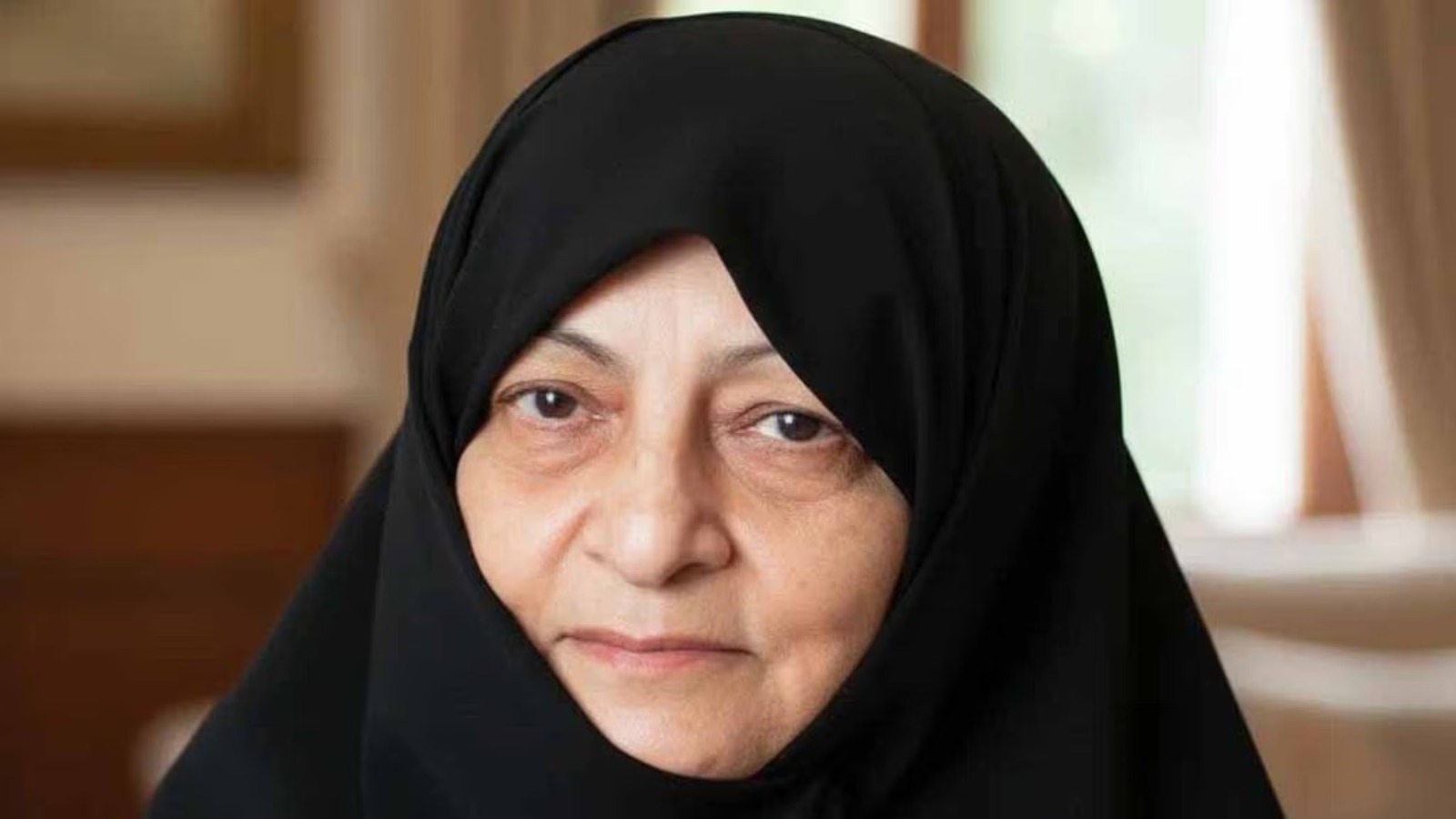
- Mansoureh Khojasteh Bagherzadeh, wife of Iran’s Supreme Leader Ayatollah Ali Khamenei, died on March 2, 2026.
- Her death resulted from injuries sustained during recent US-Israeli strikes on Iran.
- Her husband, Ayatollah Ali Khamenei, was reportedly killed in the same attacks on February 28, 2026.
- Iranian state media, including Press TV, reported her death, describing it as ‘martyrdom.’
- She maintained a very private public life, rarely appearing at official functions.
- Other high-ranking officials and Khamenei’s family members were also reportedly killed in the strikes.
TEHRAN (Azat TV) – Mansoureh Khojasteh Bagherzadeh, the wife of Iran’s Supreme Leader Ayatollah Ali Khamenei, died on Monday, March 2, 2026, from injuries reportedly sustained during recent US-Israeli strikes targeting Iran. Her death, announced by Iran’s state media outlet Press TV, adds a profound personal tragedy to the escalating conflict in the Middle East, coming just days after the reported killing of her husband, Ayatollah Khamenei, in the same wave of attacks on Saturday, February 28.
While official confirmation from Iranian authorities was still awaited, state media described her as having ‘attained martyrdom.’ Her passing underscores the devastating human toll impacting even the highest echelons of Iranian leadership and their families amidst intense regional hostilities.
Mansoureh Khojasteh’s Private Life and Family Ties
Born in Mashhad in 1947, Mansoureh Khojasteh Bagherzadeh hailed from a distinguished religious and business family. Her father, Mohammad Esmaeil Khojasteh Bagherzadeh, was a prominent businessman in the city, and her brother, Hassan Khojaste Bagherzadeh, served as a deputy director at Iran’s state broadcaster IRIB. She married Ali Khamenei in 1965, with their ceremony reportedly officiated by the esteemed cleric Mohammad Hadi Milani, as reported by Asianetnews.
Throughout her more than six-decade marriage to one of the most influential figures in the Islamic Republic, Mansoureh Khojasteh maintained a remarkably discreet public profile. Unlike many spouses of political leaders globally, she rarely participated in official functions or engaged in political matters, choosing instead to focus on her family and religious obligations. She was rarely seen in public, and limited photographs or interviews of her exist, according to multiple reports, including from WIONews.
The couple had six children—four sons, Mostafa, Mojtaba, Masoud, and Meysam, and two daughters, Boshra and Hoda. While most of their children also maintained low public profiles, Mojtaba Khamenei became a more visible figure in Iran’s political and media circles, strengthening ties through his marriage to the daughter of prominent politician Gholam-Ali Haddad-Adel. The family’s extensive connections linked them deeply to Iran’s political and religious structure, despite their preference for privacy.
Fatalities Among Iran’s Leadership Amid Strikes
The reported death of Mansoureh Khojasteh Bagherzadeh follows widespread accounts of significant casualties within Iran’s leadership and their families. According to Iran’s Fars News Agency, several members of Ayatollah Khamenei’s close family, including a daughter, son-in-law, and granddaughter, were killed in the attacks that began on Saturday, February 28. The daughter-in-law was identified as Zahra Haddad Adel, wife of Mojtaba Khamenei, though other identities were not officially confirmed.
Beyond the Supreme Leader’s immediate family, other high-ranking officials were also reportedly among the casualties. Iran’s Minister of Defence, Aziz Nasirzadeh, and the commander of the Islamic Revolutionary Guard Corps (IRGC), Mohammad Pakpour, were reportedly killed in the strikes, citing sources by Reuters. These losses signify a profound blow to Iran’s political and military establishment.
The US-Israeli strikes have been part of a rapidly intensifying conflict across West Asia. Iranian state media has reported that over 500 Iranian citizens have lost their lives since the beginning of the conflict, with more than 130 cities targeted. Iran has vowed revenge for the deaths of its Supreme Leader and other officials, with President Masoud Pezeshkian stating Iran’s military ‘will forcefully crush the enemy’s bases,’ describing Khamenei’s death as a ‘declaration of war against the Muslims,’ as reported by IndiaTV News.
The Broader Regional Impact of Escalating Conflict
The conflict has seen Iran launch retaliatory missile and drone attacks across the Middle East, targeting US bases in the Gulf and claiming attacks on an Israeli Prime Minister’s office, though these claims have been rejected by the US Central Command and Tel Aviv. The US and Israel have reportedly targeted Iranian missile sites and naval assets, claiming the destruction of multiple warships.
The escalating hostilities have had far-reaching consequences, affecting global shipping routes, air travel, and oil markets, particularly around the Strait of Hormuz. International calls for de-escalation have intensified, with China urging efforts to prevent the fighting from spreading further across the region, emphasizing the need for a resolution through dialogue and negotiation.
The death of Mansoureh Khojasteh Bagherzadeh, though a personal tragedy, profoundly illustrates the direct and devastating impact of the ongoing US-Israel strikes on Iran, bringing the human cost of the wider conflict directly to the highest levels of the Islamic Republic’s leadership.