
Quick Read
- Marco Rubio visits Israel amid fallout from Qatar missile strike.
- The strike targeted Hamas leaders and killed six people, including a Qatari officer.
- Rubio reaffirms U.S.-Israel ties but criticizes the strike.
- Humanitarian crisis in Gaza worsens, with over 64,000 deaths reported.
- Arab leaders convene in Doha to discuss a response to Israel’s actions.
A Diplomatic Visit Under Tense Circumstances
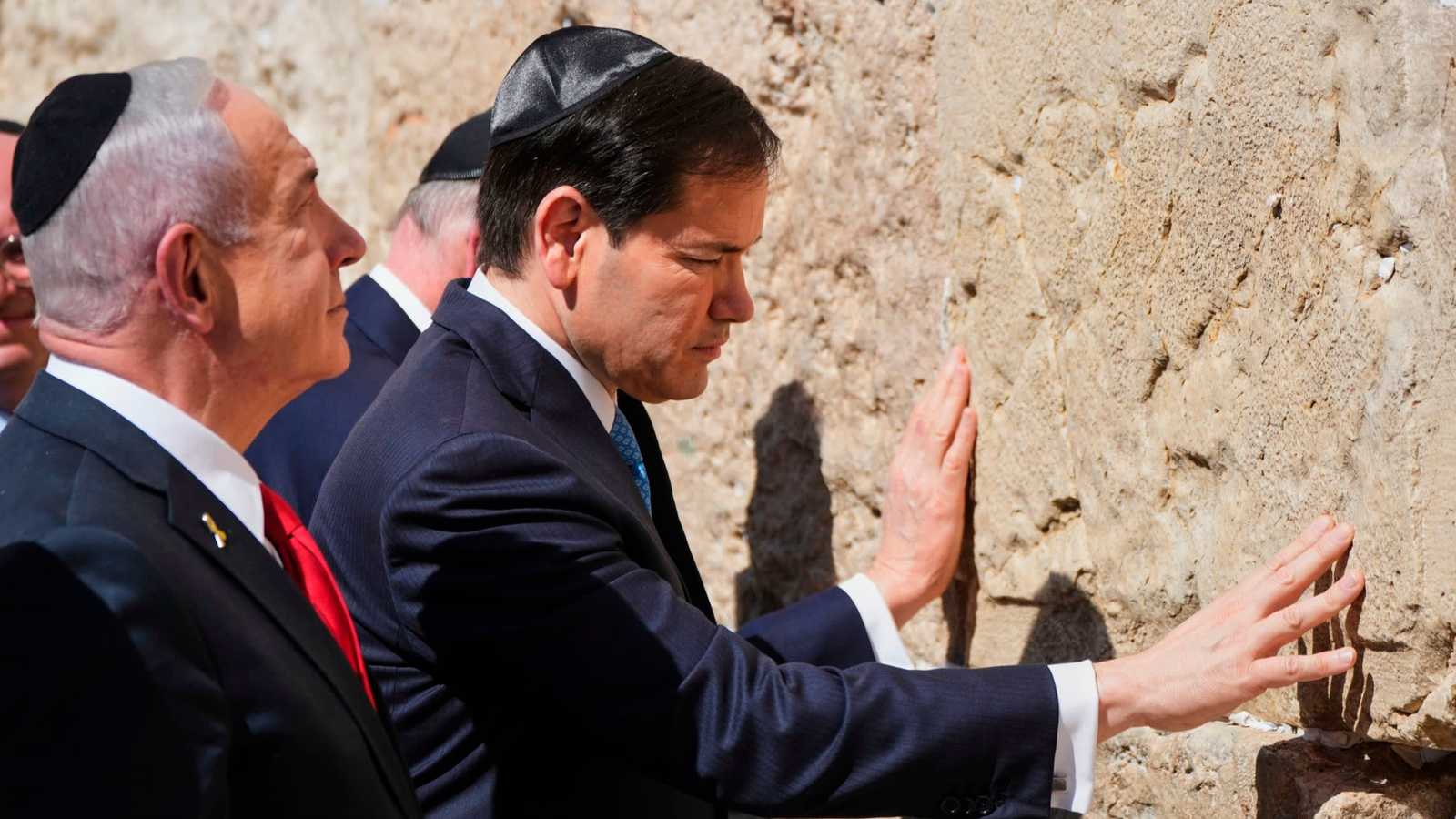
U.S. Secretary of State Marco Rubio’s visit to Israel comes at a moment of heightened regional tensions. The trip, which includes meetings with Israeli Prime Minister Benjamin Netanyahu, follows Israel’s controversial missile strike in Doha, Qatar, that targeted Hamas leaders. The attack, which killed five Hamas members and a Qatari security officer, has sparked outrage across the Arab world and complicated diplomatic relations for the United States.
Rubio, a key figure in the Trump administration, has made it clear that while the U.S. is “not happy” about Israel’s actions, the enduring strategic partnership between the two nations remains intact. “The president was not happy about it,” Rubio told reporters ahead of his trip. “Now we need to move forward and figure out what comes next.” The visit underscores Washington’s delicate balancing act as it attempts to mediate between its allies in the Middle East while addressing the humanitarian crisis in Gaza.
The Fallout from the Doha Strike
Israel’s missile strike on a residential compound in Qatar has sent shockwaves throughout the region. The compound, reportedly housing Hamas leaders, was hit just days before Qatar hosted an emergency summit of Arab and Muslim leaders. The meeting, attended by representatives from over 50 countries, including Iran, Pakistan, and Turkey, was convened to address Israel’s ongoing military campaign in Gaza and the strike in Doha. Leaders from the Arab League and the Organization of Islamic Cooperation (OIC) have condemned the attack, calling it an escalation that undermines regional stability.
Qatar, a key U.S. ally and mediator in negotiations between Israel and Hamas, has expressed outrage over the strike, which it claims jeopardizes efforts to secure a prisoner-hostage exchange and a ceasefire. Faisal Abdulhameed al-Mudhahka, editor-in-chief of the Gulf Times, noted that the summit in Doha aimed to send a “very strong statement” to Netanyahu and could result in concrete measures beyond mere condemnation. However, the U.S., while criticizing the strike, has refrained from taking any punitive actions against Israel.
Humanitarian Crisis in Gaza
Meanwhile, Gaza continues to endure relentless Israeli airstrikes. Since the escalation began, more than 64,000 Palestinians have been killed, according to local health officials. The humanitarian situation in the enclave is dire, with food and medical supplies running critically low. The United Nations has warned that Gaza is facing a famine, with at least 142 people reportedly dying from starvation and malnutrition in recent weeks.
Israeli forces have intensified their ground offensive, targeting what they claim are Hamas strongholds in Gaza City. Defense Minister Israel Katz described the military operation as reshaping Gaza’s skyline, but international observers, including the United Nations, have called the situation catastrophic. Philippe Lazzarini, commissioner-general of the UN agency for Palestinian refugees, described Gaza as a “wasteland” and urged political leaders to intervene urgently.
Displacement within Gaza has reached unprecedented levels, with hundreds of thousands forced to flee their homes. Many have sought refuge in al-Mawasi, a zone designated as “safe” by Israeli authorities but repeatedly attacked. Conditions in these makeshift shelters are abysmal, with shortages of clean water, food, and medical care. As winter approaches, the lack of adequate shelter raises concerns about further humanitarian fallout.
Rubio’s Agenda and Regional Implications
During his two-day visit, Rubio plans to address several pressing issues with Israeli leadership. These include the ongoing humanitarian crisis in Gaza, the return of hostages held by Hamas, and the broader implications of Israel’s military campaign. Rubio has also signaled that discussions will include Israel’s controversial plans to annex parts of the West Bank, a move that has drawn sharp criticism from the international community.
The timing of Rubio’s visit is significant, as it comes just a week before several countries are expected to formally recognize a Palestinian state. This development could further isolate Israel on the global stage and complicate U.S. efforts to broker peace in the region. The Trump administration, which has championed the Abraham Accords to normalize relations between Israel and several Arab states, now faces the challenge of maintaining those alliances amid escalating tensions.
Despite the challenges, Rubio has emphasized the strength of the U.S.-Israel relationship. He also met with families of hostages held in Gaza, reaffirming that their release remains a top priority for the U.S. government. However, the path forward is fraught with uncertainty, as the region grapples with the fallout from the Doha strike and the humanitarian crisis in Gaza.
Marco Rubio’s visit to Israel highlights the complexities of U.S. diplomacy in the Middle East. While reaffirming its alliance with Israel, the U.S. faces mounting pressure to address the humanitarian catastrophe in Gaza and navigate the geopolitical fallout from Israel’s actions in Doha. The stakes have never been higher, and the world watches closely as Washington attempts to balance its strategic interests with its moral responsibilities.