


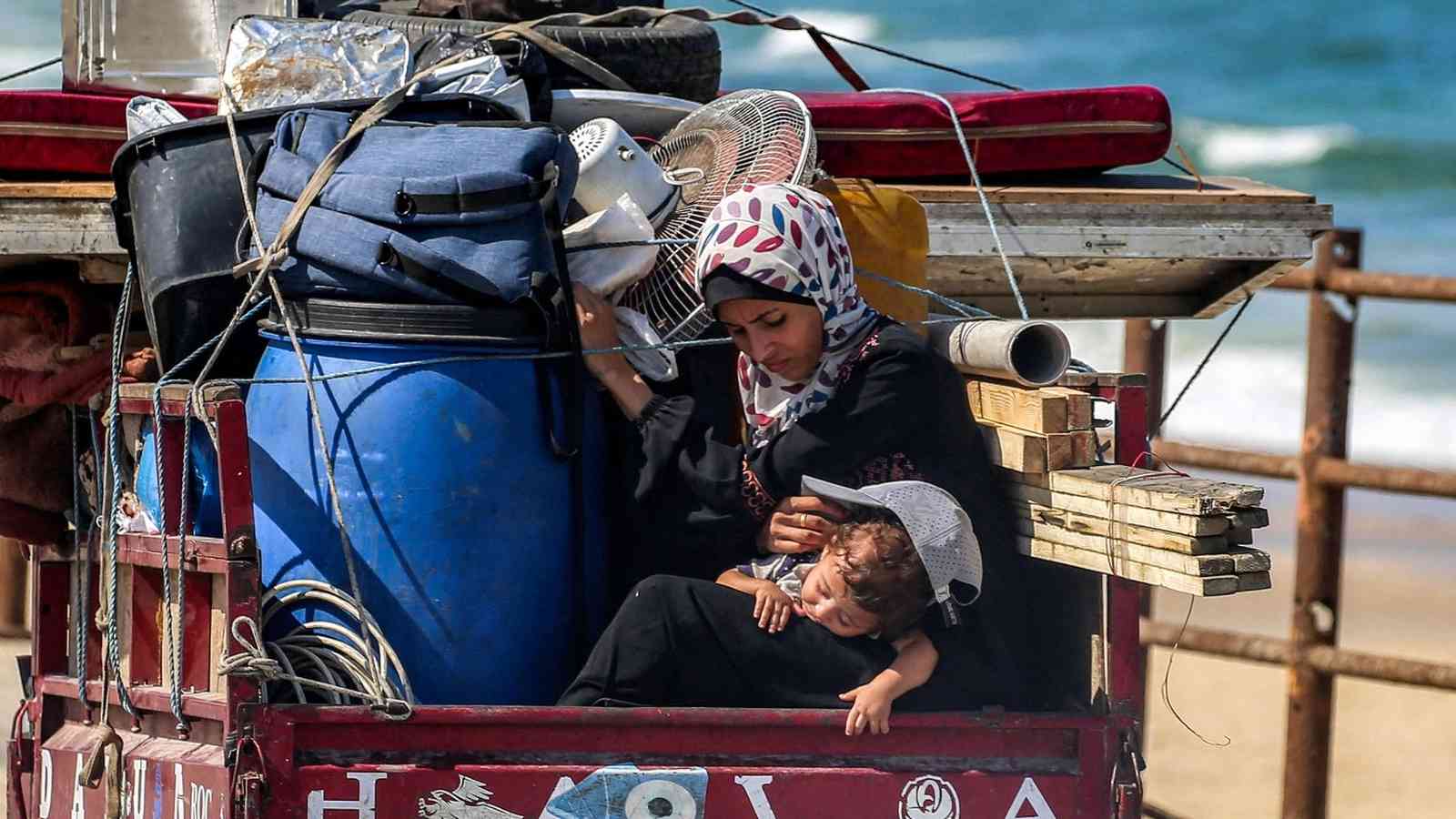
Mass Evacuations Amid Escalating Violence
The streets of Gaza City, a region already steeped in suffering, are now scenes of chaos and desperation. Israeli airstrikes have intensified, leaving 32 dead, including 12 children, in the latest round of attacks on September 13, 2025. As the bombs rain down, Israeli authorities have issued stark warnings, urging civilians to evacuate southward. However, for many of Gaza’s 2 million residents, the directive feels like an impossible demand.
“To all residents of Gaza City … you have been warned—get out of there!” declared Israeli Prime Minister Benjamin Netanyahu. This call to evacuate, repeated by military spokesperson Avichay Adraee, comes amid Israel’s declared objective to dismantle Hamas’s stronghold in Gaza’s largest urban center. The reality on the ground, however, reveals a grim picture of overcrowded shelters, famine, and a lack of basic resources for the displaced.
Humanitarian Crisis Worsens
According to the United Nations, the humanitarian situation in Gaza has reached catastrophic levels. Overcrowding in southern shelters has left families without adequate food, water, or medical care. The UN estimates that only 100,000 people have managed to flee Gaza City since mid-August, a far cry from Israel’s claim of 250,000. For the millions who remain, options are dwindling.
Images from the Sheikh Radwan neighborhood depict the aftermath of airstrikes that flattened residential buildings. A family of ten was among the casualties, with a mother and her three children killed. The Gaza Health Ministry reports over 64,000 deaths since the conflict began in October 2023, including 20,000 children, though international agencies suspect the actual toll is much higher due to restricted access to the region.
Diplomatic and International Responses
Globally, Israel’s actions have sparked heated debates. On September 13, the UN General Assembly passed a resolution endorsing the New York Declaration, advocating for a two-state solution and condemning Israeli settlement expansions in Palestinian territories. India, alongside 141 other nations, voted in favor of the resolution, signaling renewed international pressure for peace. However, key allies like the United States continue to back Israel, complicating efforts for a ceasefire.
U.S. diplomat Marco Rubio arrived in Israel this week, affirming unwavering support despite growing criticism of Israel’s tactics. Rubio’s visit follows a controversial Israeli strike on Hamas leaders in Qatar, a move that has strained diplomatic negotiations. Meanwhile, families of the 48 remaining Israeli hostages in Gaza have urged the government to prioritize their release over military escalation.
The Human Cost of War
For Gaza’s residents, the ongoing conflict is a relentless cycle of displacement and loss. Um Mohammad, a 55-year-old mother of six, shared her anguish: “Despite the bombardment, I resisted leaving. But now, I have no choice—I must go to be with my daughter.” Her story mirrors that of countless others forced to abandon their homes under threat of violence.
The situation in Gaza underscores the devastating impact of prolonged conflict. With no end in sight, the region teeters on the brink of a humanitarian disaster, while the global community grapples with how to respond effectively.
The evacuation orders and relentless airstrikes in Gaza City reveal the harrowing complexities of modern warfare, where civilian lives hang in the balance of geopolitical agendas. The international community must act decisively to prevent further loss of life and address the root causes of this enduring conflict.