
Quick Read
- Marco Rubio is currently U.S. Secretary of State under President Trump.
- He played a visible role at the 2025 NATO Foreign Ministers’ meeting in Brussels.
- Rubio humorously called for an executive order banning weddings during college football season.
- Recent polls show American opinion shifting on Israel’s actions in Gaza, with Rubio navigating the diplomatic fallout.
- Rubio balances serious diplomacy with relatable, cultural advocacy.
Rubio’s Seat at the Global Table: Navigating Diplomatic Waters
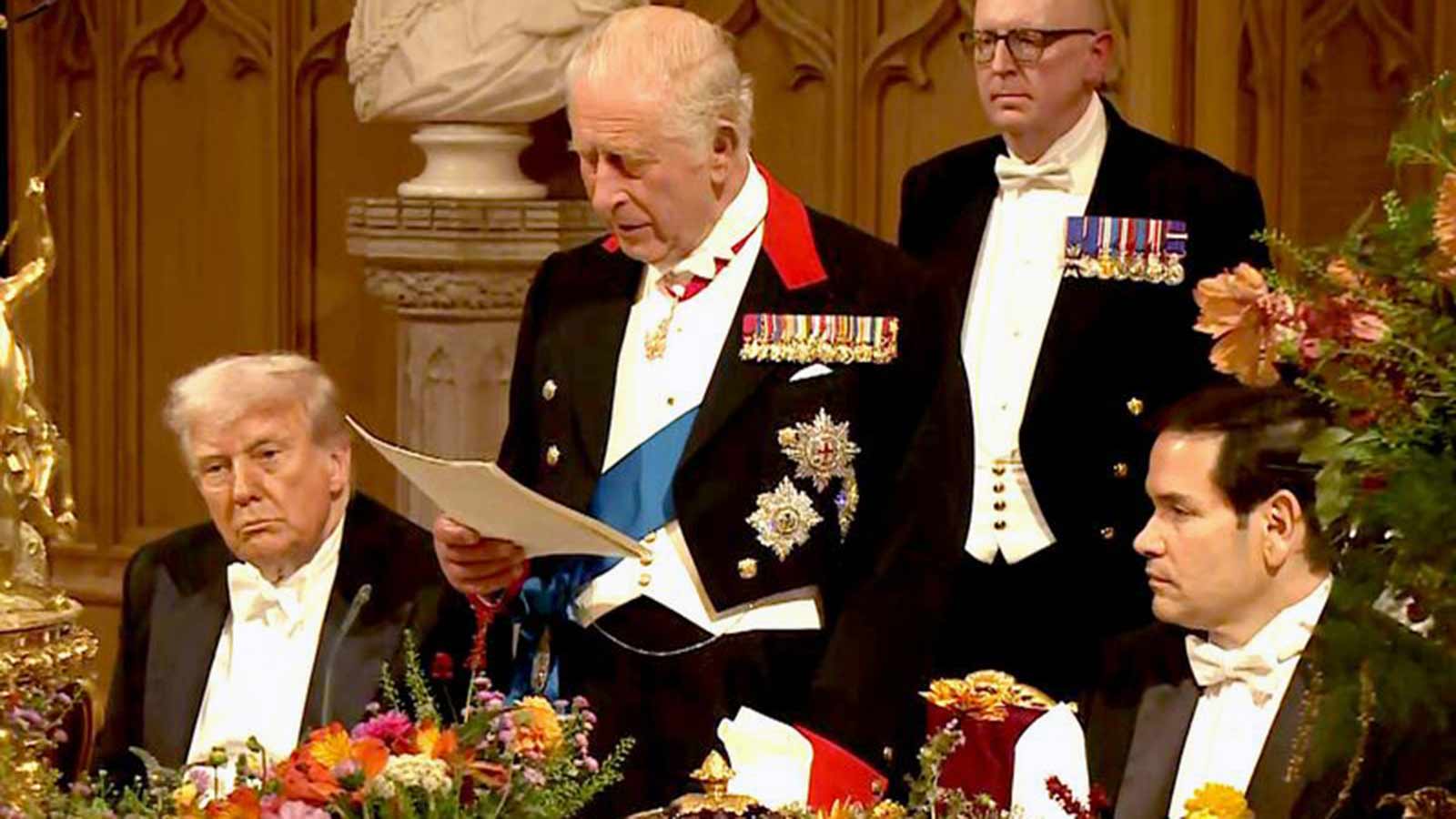
Marco Rubio’s ascent from Florida senator to U.S. Secretary of State marks a significant shift in American diplomacy. His presence is felt not just in policy circles, but also in the subtle choreography of international events—most recently at Windsor Castle’s state banquet, where seating arrangements spoke volumes about shifting alliances and power dynamics.
Rubio was in Brussels on April 3, 2025, standing shoulder to shoulder with NATO Secretary General Mark Rutte and UK Foreign Secretary David Lammy. Their camaraderie, caught on camera, suggested a momentary ease in what was otherwise a fraught period for international relations. The laughter among the ministers was more than a photo op; it signaled the willingness of Western powers to find common ground—even as global crises loomed.
At Windsor, the U.S. delegation was under scrutiny. The banquet’s seating plan, meticulously crafted by the Foreign and Commonwealth Office and the royal household, was more than mere protocol; it was a visual representation of the pecking order among the 160 guests. The table, stretching 50 meters through St George’s Hall, was a stage for the subtle theatre of diplomacy.
While Rubio’s exact seat at the table was not disclosed, his role in shaping U.S. foreign policy was reflected in the conversations that mattered most. The U.S. President, Donald Trump, was seated at the heart of the table, flanked by British royalty and American power brokers. The arrangement hinted at Rubio’s proximity to the decisions driving global events.
From Gaza to Westminster: Rubio’s Voice in Tumultuous Times
Rubio’s tenure has coincided with a period of intense international scrutiny. The humanitarian crisis in Gaza, and the evolving American response to it, has thrust the Secretary of State into the spotlight. According to a recent AP-NORC poll, about half of Americans now believe Israel’s military response in Gaza has “gone too far”—a marked increase from the early days of the conflict. The poll revealed a bipartisan shift, with 7 in 10 Democrats and nearly half of independents expressing concern over Israel’s actions.
Rubio, known for his unwavering support of U.S. allies, faces a delicate balancing act. The poll also found that Americans are less likely than before to prioritize negotiating a permanent ceasefire, particularly among Republicans, Rubio’s own base. Yet, nearly half of respondents said it’s crucial for the U.S. to provide humanitarian relief to Palestinians.
This tension is emblematic of Rubio’s challenge: how to maintain traditional alliances while responding to shifting public sentiment and an evolving global narrative. The Secretary’s approval ratings reflect the difficulty of this moment—down to 37% from 44% in March, as Americans grow weary of protracted conflict and question the wisdom of military aid abroad.
In interviews, Americans described the situation as “all-or-nothing,” with little hope for a lasting resolution. Rubio’s diplomatic acumen is tested daily as he navigates these currents, seeking to uphold American interests without alienating key constituencies or sacrificing the country’s humanitarian commitments.
The Lighter Side: Football, Marriage, and American Identity
Yet, Rubio’s public persona is not all gravitas and global stakes. At a recent Cabinet meeting, he shifted gears, bringing up a topic that resonated with millions of Americans—college football. “This thing about people getting married on Saturdays during college football season is a scourge, Mr. President. It’s dividing families,” Rubio quipped, half-serious, half in jest. His plea for an executive order banning weddings on game days drew laughter, but also struck a chord.
For many, this was quintessential Rubio: able to pivot from high-stakes foreign policy to the lighter, cultural touchstones that bind Americans together. The comments were more than comic relief; they were a nod to the traditions and values that shape the national psyche. “There’s seven other months of the year people can get married,” he added, underscoring the importance of preserving cherished rituals.
This playful advocacy—rooted in everyday life—sets Rubio apart in a political landscape often dominated by dour headlines and ideological battles. It’s a reminder that even those tasked with steering the ship of state are not immune to the rhythms of ordinary American life.
Rubio’s Balancing Act: Between Power and People
Rubio’s approach to leadership is marked by a willingness to engage with both the serious and the mundane. Whether addressing the fallout from Israel’s actions in Gaza or lamenting the impact of wedding season on college football fans, he brings a human touch to the role of Secretary of State.
His ability to connect with diverse audiences—from NATO ministers to everyday Americans—is rooted in an understanding of the complexities that define the modern world. The Windsor banquet, with its careful seating and orchestrated conversations, is a metaphor for the kind of diplomacy Rubio practices: one where protocol meets personality, and where the real stories unfold in the spaces between official statements.
Rubio’s blend of gravitas and wit has earned him both allies and critics. Some see his humor as a welcome relief; others question whether it distracts from the pressing issues at hand. Yet, for many, it’s this very mix that makes him effective—a leader who can move seamlessly between global crises and national pastimes without losing sight of the people he serves.
As the U.S. navigates its role on the world stage, Rubio’s influence is felt in both the grand gestures of statecraft and the small moments that shape public opinion. His tenure is a study in contrasts: the solemnity of international diplomacy, the urgency of humanitarian action, and the simple joys of American life.
Marco Rubio’s journey from the Senate to the State Department is defined by his ability to bridge the gap between policy and people. In an era where global challenges demand both seriousness and empathy, his leadership is a reminder that effective statesmanship is as much about understanding tradition and culture as it is about navigating the complexities of international affairs.