
Quick Read
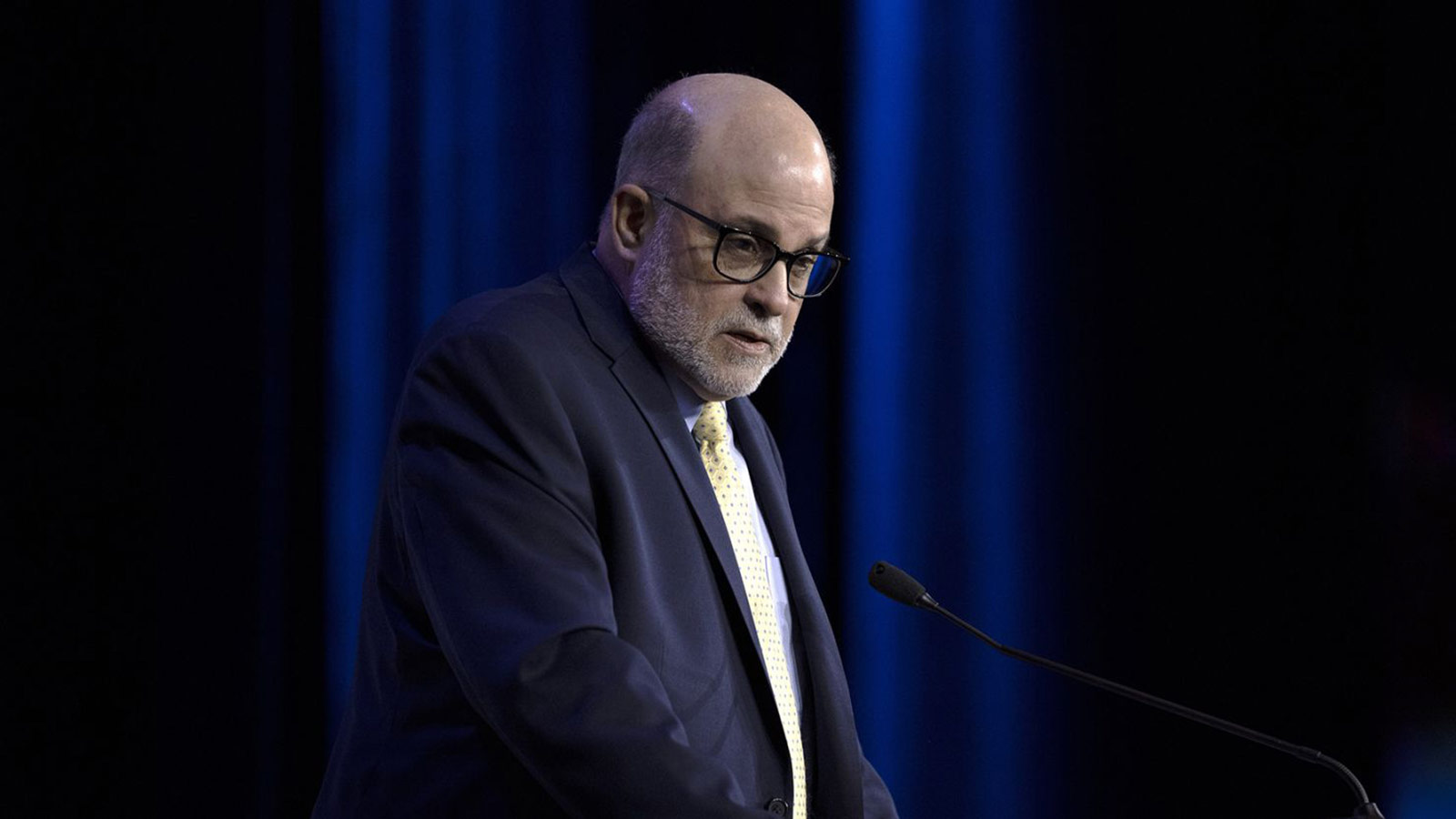
- Mark Levin has become a central figure in the ‘America First’ versus ‘Israel First’ debate among conservatives.
- The controversy intensified following Israeli Prime Minister Netanyahu’s visit to Washington in early 2025.
- Levin’s strong support for Israel is praised by some and criticized by others who favor a focus on American interests.
- Media personalities like Tucker Carlson and Ben Shapiro have publicly weighed in on the divide.
- The debate reflects broader tensions over the future direction of the conservative movement.
Mark Levin and the Fractured Right: Foreign Policy Under the Microscope
In the shifting landscape of American conservatism, few figures spark as much fervor—and controversy—as Mark Levin. Once considered a stalwart voice for constitutional principles, Levin’s recent prominence in heated debates over foreign policy has placed him squarely at the crossroads of a movement wrestling with its own identity. The latest episode of the Tucker Carlson Show, featuring Ana Kasparian and responses from Ben Shapiro and Mark Levin, highlights these tensions in sharp relief.
‘America First’ vs ‘Israel First’: A Battle of Priorities
At the heart of this debate lies a fundamental question: Where should American foreign policy loyalty reside? Carlson’s program frames the discussion as a direct clash between the ‘America First’ philosophy—a call to prioritize domestic interests—and the ‘Israel First’ stance, which urges unwavering support for Israel, even when it may conflict with American priorities. Mark Levin, known for his passionate advocacy for Israel, has become a lightning rod in this debate, drawing both ardent support and pointed criticism.
Levin’s critics argue that his unwavering support for Israeli policies sometimes comes at the expense of a more nuanced American approach. Supporters, on the other hand, insist that the alliance with Israel is critical not only for strategic reasons but also for shared values. The schism is more than rhetorical; it shapes conservative media narratives, influences grassroots activism, and even impacts political endorsements.
The Netanyahu Visit: A Flashpoint
The tensions reached a new peak after Donald Trump’s inauguration in January 2025, when Israeli Prime Minister Benjamin Netanyahu became the first head of state to visit the new administration. According to Tucker Carlson’s analysis, this was not merely a ceremonial encounter. Instead, it signaled an urgent push for stronger U.S. support of Israel, particularly in the context of rising hostilities with Iran.
Levin’s commentary around this visit was emblematic of his stance. He praised the meeting as evidence of renewed strength in the U.S.-Israel partnership, urging the administration to consider robust actions against Iran. This position, however, was met with skepticism from those in the ‘America First’ camp, who questioned whether such foreign entanglements truly serve American interests.
Inside the Conservative Divide: Media, Personalities, and Ideology
What makes this debate so charged is not just the policy details but the personal dynamics at play. Carlson’s show revealed how the conflict has simmered for months, often erupting on social media and in behind-the-scenes strategizing. Figures like Nick Fuentes have been at the center of these disputes, but it is Levin’s reaction—his calls for de-platforming and sharp denunciations—that have made the divide more public.
Levin’s approach is unapologetically combative. He frequently accuses critics of antisemitism and paints opposition as fringe or dangerous. Yet, his detractors counter that such tactics stifle legitimate debate and alienate potential allies within the broader conservative movement. Ben Shapiro, another prominent commentator, has echoed some of Levin’s sentiments, though with a more measured tone.
What’s at Stake for the Conservative Movement?
This isn’t merely a dispute over foreign policy. The fight over ‘America First’ versus ‘Israel First’ reflects deeper anxieties about the direction of the conservative movement. For many activists and voters, the question is whether the movement will remain focused on domestic challenges—economic renewal, border security, and civil liberties—or become increasingly enmeshed in foreign alliances and conflicts.
Levin’s role, then, is both influential and emblematic. He represents a faction that sees America’s global leadership, especially in partnership with Israel, as non-negotiable. Others, including Carlson, urge a return to more restrained, interest-driven foreign policy, warning that the movement could lose touch with its base if it becomes too entangled in overseas disputes.
The Road Ahead: Can the Right Reconcile?
As the 2025 political season unfolds, the conservative movement faces a crossroads. The rift exposed by Levin’s advocacy and Carlson’s critiques is unlikely to disappear soon. Instead, it may define the contours of right-wing politics for years to come. Grassroots activists, media personalities, and elected officials will need to navigate these divisions thoughtfully if they hope to build a cohesive platform.
The challenge, as Carlson suggests, is not simply to defeat a rival faction but to avoid becoming so rigidly attached to any single foreign policy stance that the broader movement loses its flexibility and relevance. For Mark Levin, the path forward may require balancing passion with pragmatism, engaging critics honestly, and recognizing the diversity of views within the conservative camp.
Mark Levin’s prominence in the current conservative debate is a testament to his influence, but also a reflection of the movement’s internal struggles. Whether the right can bridge the gap between ‘America First’ and ‘Israel First’ priorities will shape not only its foreign policy but its ability to remain responsive to its grassroots base in an era of rapid change.