


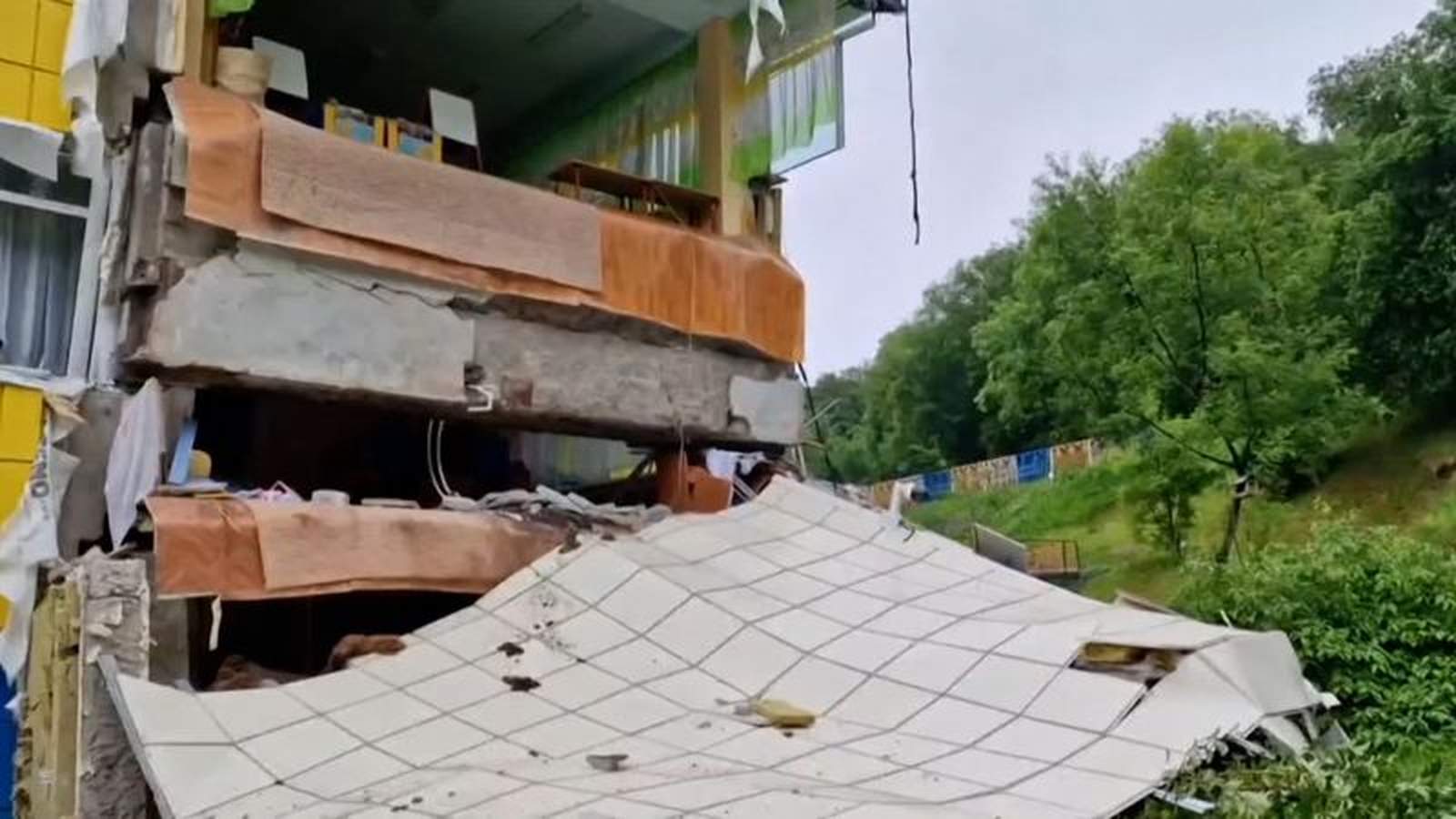
A massive earthquake measuring 8.8 on the Richter scale struck off the eastern coast of Russia’s Kamchatka Peninsula on July 29, 2025, sending shockwaves throughout the Pacific region. The earthquake, one of the strongest recorded in recent history, triggered tsunami warnings across several nations, including Japan, Hawaii, and the US West Coast. As authorities scramble to mitigate potential damage, residents in affected areas have been urged to evacuate to higher ground.
The Earthquake’s Impact and Tsunami Warnings
The earthquake occurred at approximately 1:25 PM local time near Petropavlovsk-Kamchatsky, a city of 180,000 people. The US Geological Survey initially measured the quake at 8.0 magnitude before upgrading it to 8.8. The epicenter was located about 74 miles east-southeast of the city at a depth of 13 miles, according to AP News. The tremor caused significant damage in the region, including power outages and disruptions to mobile networks. Cars swayed in the streets, and buildings sustained visible cracks.
Shortly after the quake, tsunami warnings were issued for multiple regions. Japan’s Meteorological Agency reported waves of up to 1.6 feet hitting Ishinomaki port, with the potential for higher waves in the following hours. In Hawaii, authorities prepared for waves as high as 10 feet. Honolulu’s mayor Rick Blangiardi urged residents in low-lying areas to evacuate immediately, stating, “We need people to stay calm but also act accordingly.” Sirens blared across the islands as bumper-to-bumper traffic clogged evacuation routes, reported CNN.
Emergency Responses and Evacuations
Over 1.9 million people in Japan were under evacuation advisories as coastal areas braced for the tsunami. Local authorities suspended train services and ferries to ensure public safety. In Hawaii, evacuation shelters were opened, and the US Coast Guard closed all incoming vessel traffic to the islands. Hawaiian and Alaska Airlines diverted flights en route to the islands, while others were canceled or delayed, reported Big Island Now.
Governor Josh Green of Hawaii emphasized the importance of preparedness, stating, “It will not hit one beach; it will wrap around the islands.” Residents were advised to stay off roads unless evacuating and to avoid coastal areas. Meanwhile, in Russia’s Severo-Kurilsk, three tsunami waves struck the coast, the last being the most powerful. Although nearly 300 people were evacuated, no injuries were reported, according to the regional emergency services.
Global Impact and Long-Term Concerns
The tsunami warnings extended beyond the Pacific, reaching South America, Mexico, and New Zealand. Chile’s National Tsunami Alarm System warned of potential waves along its coastline, while New Zealand’s authorities cautioned against “strong and unusual currents.” The Pacific Tsunami Warning Center highlighted that tsunamis are not a single wave but a series of powerful surges that can last for hours or even days.
In the United States, the West Coast faced travel disruptions and advisories to stay away from beaches and marinas. Oregon reported potential waves of up to two feet, with authorities urging residents to remain vigilant. Alaska also experienced small waves, but no significant damage was reported. Experts like Harold Tobin, a seismologist at the University of Washington, noted that the earthquake’s energy might have been directed outward toward the ocean, reducing its impact on nearby land areas. However, he stressed that the event serves as a critical test for tsunami preparedness across the Pacific.
Historical Context and Future Preparedness
This earthquake is the strongest to hit the Kamchatka Peninsula since 1952 and among the most powerful globally since the 2011 Fukushima disaster. The Fukushima earthquake, which measured 9.0 magnitude, caused a massive tsunami and a nuclear meltdown. Fortunately, Japan’s nuclear facilities, including the Fukushima Daiichi plant, reported no abnormalities following the recent quake. Workers were evacuated to higher ground as a precaution.
Scientists have warned of potential aftershocks in the coming weeks, urging residents to remain cautious. The Russian Academy of Sciences noted that five powerful quakes had already struck near Kamchatka earlier in July, indicating heightened seismic activity in the region.
As the Pacific Rim continues to monitor the situation, this earthquake underscores the importance of robust early warning systems and public awareness. Whether in Japan, Hawaii, or the Americas, the ability to respond swiftly and effectively to such natural disasters remains a critical component of global disaster management efforts.
The unfolding events serve as a stark reminder of nature’s unpredictability and the necessity for ongoing vigilance and preparedness in coastal communities worldwide.