
Quick Read
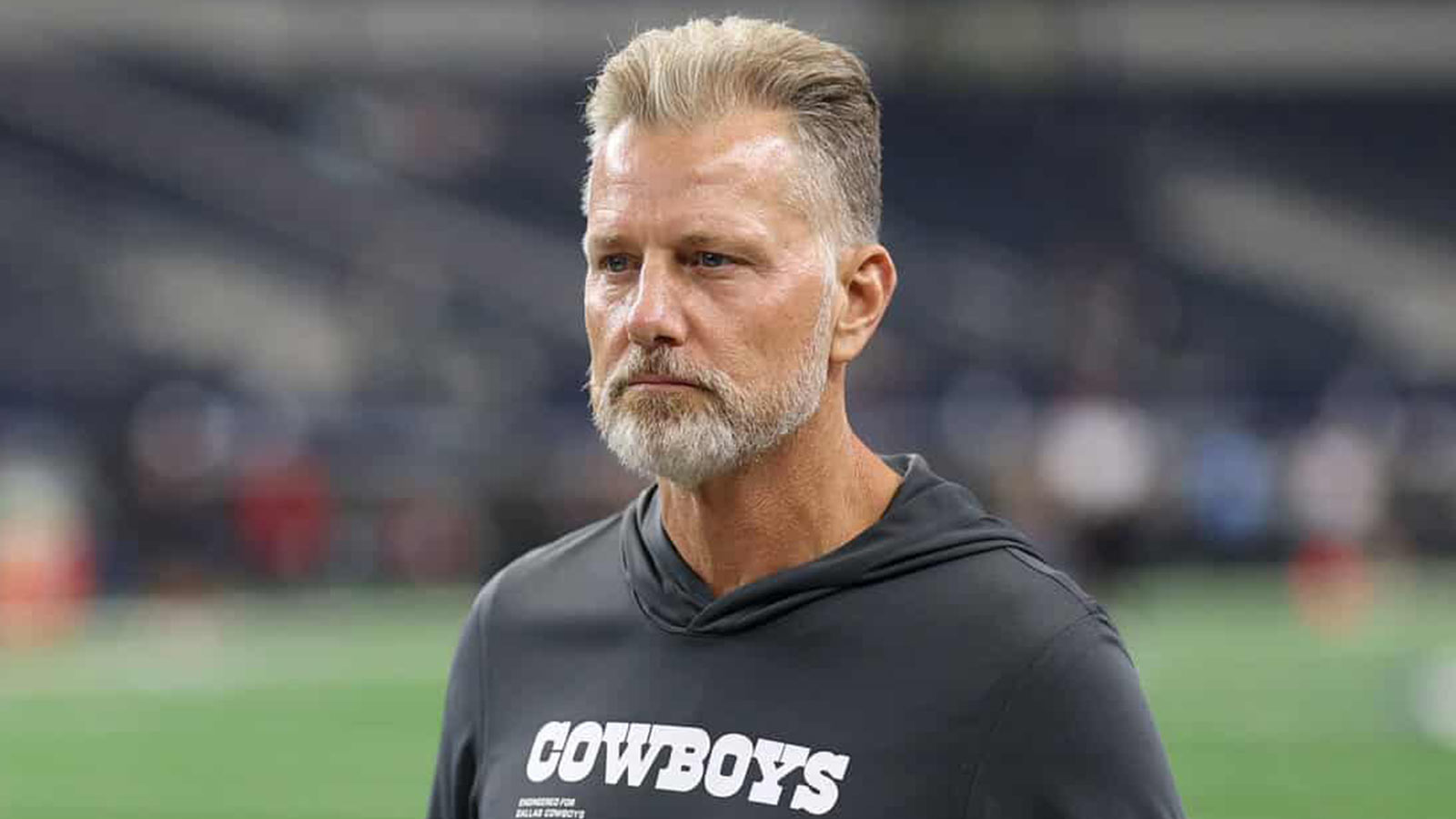
- Matt Eberflus is the Dallas Cowboys’ defensive coordinator in 2025.
- The Cowboys’ defense struggled after trading Micah Parsons, a top pass rusher.
- Jadeveon Clowney’s absence against the Lions further weakened the defense.
- Cowboys owner Jerry Jones expressed disappointment over Clowney’s injury.
- The team’s defense ranks near the bottom of the league despite recent wins.
Matt Eberflus, the defensive coordinator for the Dallas Cowboys, finds himself at the center of one of the NFL’s most scrutinized units in 2025. Once lauded for his defensive innovations, Eberflus now faces a gauntlet of challenges: a defense in transition, high-profile personnel moves, and the constant pressure to deliver results in a fiercely competitive NFC.
The Cowboys’ 2025 season started on a rocky note, with a 3-5-1 record that had fans and analysts questioning the team’s playoff prospects. The offense showed flashes of brilliance, but the defense lagged far behind, a gap that only widened after the blockbuster trade that sent Micah Parsons—one of the league’s premier pass rushers—elsewhere. Eberflus was tasked with retooling a unit that had lost its cornerstone, relying on a mix of veterans and emerging talent to fill the void.
Key Absences Compound Defensive Struggles
Just as the Cowboys began to find their rhythm, winning three consecutive games and clawing back into playoff contention, another setback struck: Jadeveon Clowney, a three-time Pro Bowler and one of Dallas’ best pass rushers in 2025, was ruled out for the Thursday night matchup against the Detroit Lions due to a hamstring injury. Clowney’s absence was keenly felt. He had notched two sacks against the Kansas City Chiefs in the previous week—a pivotal performance that helped push the Cowboys above .500 for the first time all season.
Cowboys owner Jerry Jones voiced his frustration openly on local radio, telling 105.3 FM The Fan, “That hurts. He’s been playing outstanding the last few games.” The sentiment echoed throughout the organization: Clowney’s presence had become a stabilizing force in an otherwise porous defense.
Eberflus’ Defensive Blueprint Tested
The loss of Clowney highlighted the ongoing difficulties Eberflus faces. Dallas’ defense ranks near the bottom of the league in key metrics, including the PFSN Defense Impact Metric, where they sit at No. 31—only the Cincinnati Bengals fare worse. The Cowboys allow a troubling 28.5 points per game entering Week 14, and their pass rush, once anchored by Parsons, now relies on Clowney and James Houston (who leads the team with 4.5 sacks in 12 games).
Clowney’s impact is tangible but not a long-term solution. At 32, he’s a veteran presence who can disrupt offenses, but Eberflus knows that the team’s future hinges on developing younger talent and finding a consistent identity. The defensive struggles have forced Eberflus to adapt, mixing aggressive blitz packages with conservative coverage schemes in an attempt to compensate for personnel losses and inconsistent execution.
Adapting to Personnel Changes and Building Resilience
The Parsons trade remains a defining moment of the season. For Eberflus, it meant reimagining the defensive front and managing expectations. The team’s inability to consistently pressure opposing quarterbacks has been glaring, especially against offensive lines like Detroit’s, which, while not as formidable as previous years, still present a challenge. Without Clowney, the Cowboys had even less chance of rattling Lions quarterback Jared Goff, and the defensive coordinator’s play-calling was under the microscope.
Inside the locker room, Eberflus is said to emphasize accountability and adaptability. While fans clamor for immediate fixes, the coaching staff is focused on incremental improvements—teaching fundamentals, adjusting assignments, and nurturing leadership among younger players. The defense’s performance may not always reflect these efforts, but the approach is methodical and rooted in long-term growth.
Looking Ahead: Eberflus’ Legacy and Cowboys’ Prospects
As the 2025 season grinds toward its conclusion, questions abound about Eberflus’ future and the Cowboys’ defensive direction. Will the team double down on veteran acquisitions, or will they invest in draft picks and player development? The answer likely hinges on Eberflus’ ability to weather adversity and steer his unit through turbulent times.
For now, the Cowboys’ playoff hopes remain alive, buoyed by a recent winning streak and the resilience of players willing to step up in the absence of stars like Clowney and Parsons. But the margin for error is razor-thin, and every defensive lapse is magnified. Eberflus’ reputation as a tactician is on the line, and the remaining games will be a test of both his leadership and the team’s collective will.
In the end, the story of Matt Eberflus and the 2025 Cowboys defense is one of adaptation and persistence. The challenges are real—key absences, personnel changes, and a relentless schedule—but so too is the opportunity to forge a new identity. The coming weeks will reveal whether Eberflus can turn adversity into advantage, or if the season will be defined by what might have been.
Based on the facts, Matt Eberflus faces significant hurdles as the Cowboys’ defensive coordinator in 2025. The absence of Jadeveon Clowney and the loss of Micah Parsons have exposed the unit’s vulnerabilities, forcing Eberflus to innovate under pressure. His legacy this season will depend on his ability to stabilize the defense and guide his players through a challenging stretch, with the playoffs still within reach but far from guaranteed. —Source: Pro Football Network