
Quick Read
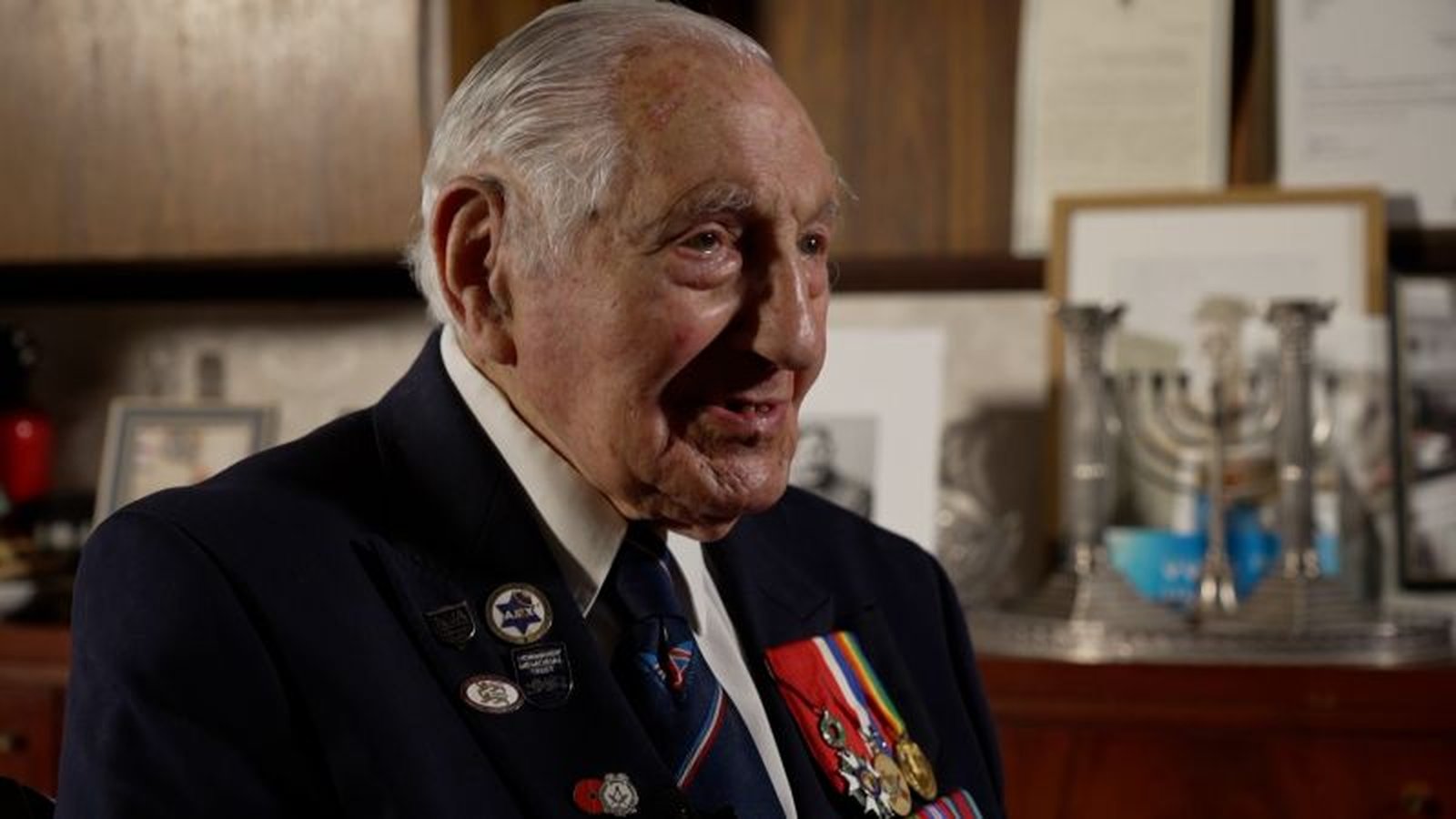
- Mervyn Kersh, 101, received the British Empire Medal in the 2025 New Year Honours.
- He was honoured for his WWII service and decades of Holocaust education in British schools.
- Kersh warns of rising antisemitism and draws parallels between today and pre-WWII Britain.
In the 2025 New Year Honours list, Mervyn Kersh stands as one of the most remarkable stories—a living bridge between the legacy of World War II and today’s Britain. At 101 years old, Kersh was awarded the British Empire Medal (BEM) for his unwavering commitment to Holocaust remembrance and education, as well as his own wartime service. His life is not just history; it’s a living lesson for the generations that follow.
Kersh’s journey began as a teenager in the midst of global conflict. He landed in Normandy just three days after the D-Day landings in June 1944, serving as a technical clerk with the Royal Army Ordnance Corps. There, he played a vital role supporting the logistical needs of the advancing Allied forces. Later, Kersh was stationed near Bergen-Belsen during its liberation in April 1945, witnessing firsthand the aftermath of unimaginable atrocities. These experiences shaped his lifelong mission: to ensure that the horrors of the Holocaust, and the sacrifices made during the war, are never forgotten.
For years, Kersh has been a familiar face in British schools, sharing his story and explaining how the Second World War began and why its lessons matter. He’s not content to let history fade into textbooks. Instead, he engages with young people directly, recounting the realities of war, the dangers of intolerance, and the importance of remembrance. But as he receives his medal, Kersh’s reflections are tinged with concern. He openly describes Britain today as “disappointing,” citing a troubling rise in antisemitism and warning that the country risks repeating the mistakes made before World War II.
“Absolutely, I see parallels between the present day and the period before the Second World War,” Kersh told Forces News. The resurgence of antisemitism and the threats posed by Russia echo the political tensions and policy missteps of the 1930s, he believes. Kersh even compares today’s Western leaders to Neville Chamberlain, whose policy of appeasement toward Nazi Germany failed to prevent catastrophe. His message is clear and urgent: history must be confronted, not just remembered.
Kersh’s recognition comes alongside other notable honourees in the New Year list—sports legends, entertainers, and public servants. But his story stands apart for its gravity. Unlike the celebratory tone that often accompanies honours, Kersh’s acceptance is thoughtful and sobering. “My time fighting for my country was worth it,” he told Newswav, but he admits that his efforts to educate young people on the Holocaust have not always been successful. He continues nonetheless, driven by the belief that every conversation matters, every lesson counts.
The New Year Honours list itself is a mosaic of Britain’s diverse contributions. This year, 1,157 recipients were recognized, with a majority living outside London and the South East, and the strongest female representation at high levels since 2020. Kersh, one of four centenarians honoured, is joined by 102-year-old John Hearn, another veteran awarded for his service and dedication to judo. These honourees serve as living reminders of the power of endurance and the necessity of memory.
The British Empire Medal awarded to Kersh is not just a personal accolade. It’s a recognition of the importance of Holocaust education in a time when misinformation and prejudice threaten to obscure the truth. Kersh’s school talks are more than history lessons—they are calls to vigilance. “We must not repeat the mistakes of the past,” he warns, urging Britain to confront the realities of its present with the wisdom earned from its past.
Prime Minister Sir Keir Starmer summed up the spirit of this year’s honours, saying, “This year’s honours list celebrates the very best of Britain—people who put the common good ahead of themselves to strengthen communities and change lives.” Yet Kersh’s story also serves as a reminder that honour comes with responsibility: to speak out, to remember, and to challenge complacency.
Kersh’s legacy is one of resilience and candour. His warnings about rising antisemitism and political short-sightedness are not just reflections on the past, but urgent messages for today. In honouring him, Britain is reminded that history’s lessons are never truly finished—they must be lived, retaught, and defended, especially when the world feels uncertain.