


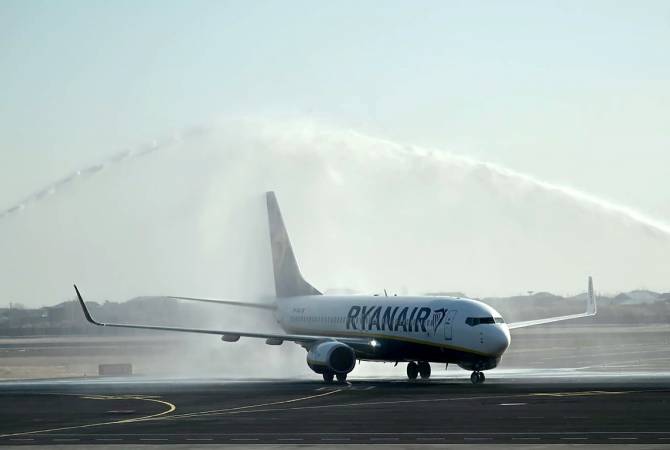
Ryanair has initiated a sweeping restructuring of its European route network, a move that threatens to disrupt summer travel plans for millions across the continent. Announced on April 4, 2026, the budget airline is withdrawing from several key airports and reducing capacity significantly, citing a combination of rising operational costs, increased airport charges, and ongoing regulatory disputes with European governments.
The Scope of Ryanair’s European Contraction
The impact of this strategy is widespread, with major reductions reported in Spain, Germany, France, Portugal, and Belgium. In Spain, the carrier is closing its Santiago de Compostela base and scaling back operations in the Canary Islands and Girona, citing a 6.62% increase in airport charges by operator Aena. In Germany, where the airline has already removed nearly 800,000 seats from its schedule, the company blames high aviation taxes and security costs for the continued suspension of services at airports like Leipzig, Dresden, and Dortmund.
Portugal is also seeing a retreat, with the airline discontinuing all routes to and from the Azores, while in Belgium, the introduction of a new €10 aviation tax has prompted service cuts at Brussels and Charleroi. These moves highlight a deepening rift between low-cost carriers and national regulators, as airlines push back against environmental levies and rising air traffic control fees.
Strategic Pivot Toward Morocco
While contracting in Europe, Ryanair is simultaneously expanding its footprint in North Africa. The airline is opening a new base in Rabat, Morocco, later this month, stationing two aircraft there to support the country’s massive $2.8 billion infrastructure investment ahead of the 2030 FIFA World Cup. This geographical shift signals that the carrier is prioritizing markets with lower regulatory barriers and higher growth potential over traditional European regional hubs that have become increasingly expensive to operate.
Stakes for Regional Connectivity
The sudden capacity reduction raises concerns about the future of budget travel and regional connectivity. While the airline sector is bracing for potential summer disruptions—exacerbated by fears of fuel supply instability linked to the Strait of Hormuz—the void left by Ryanair is already attracting interest from competitors. Carriers such as Vueling, Iberia, and Wizz Air are looking to fill the capacity gaps, though whether these replacements can maintain the same level of accessibility and affordability remains unclear.
The aggressive restructuring of Ryanair’s network reflects a fundamental shift in the economics of short-haul aviation, where the threshold for profitability in secondary European markets is being squeezed by a combination of aggressive environmental taxation and rising airport fees, forcing airlines to prioritize expansion in emerging markets like Morocco over sustaining traditional, higher-cost routes.