
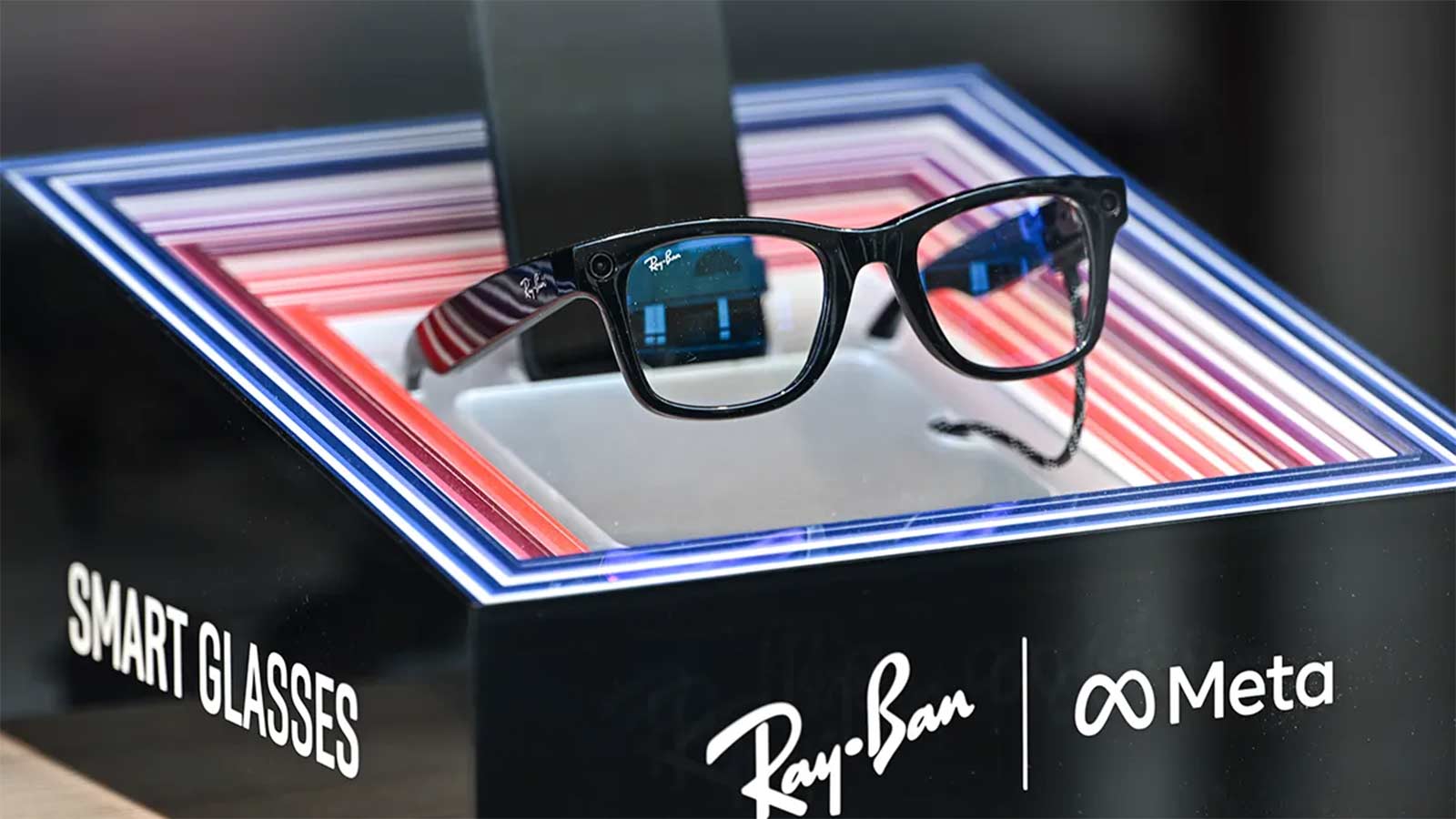
- Meta’s Ray-Ban glasses now feature always-on AI assistance and live translation.
- The glasses can continuously record audio and video to enhance AI functionality.
- Battery life is limited to 30 minutes with always-on AI active.
- These features aim to compete with similar advancements by Google and others.
- Privacy concerns arise due to continuous recording capabilities.
Meta’s Ray-Ban Glasses: A Leap in Wearable AI Technology
Meta has taken a significant step forward in wearable technology by introducing always-on AI assistance and live translation features to its Ray-Ban glasses. These advancements, announced earlier this year at Meta’s Connect developer conference, mark a new era of smart glasses functionality, blending convenience with cutting-edge artificial intelligence.
What Are the New Features?
The two standout features added to Meta’s Ray-Ban glasses are:
- Always-On AI Assistance: Users can activate this feature by saying, “Meta, start Live AI.” Once activated, the glasses continuously record audio and video, enabling the AI to provide real-time assistance. This feature is particularly useful for tasks requiring ongoing interaction with the environment.
- Live Translation: The glasses can translate spoken language in real-time, with the translation delivered through the device’s audio system. This feature is designed to facilitate seamless communication across different languages.
These features are part of Meta’s broader strategy to integrate AI into everyday life, positioning the glasses as more than just a fashion accessory.
Battery Life and Practicality
One of the primary challenges with these new features is battery life. According to Meta, the always-on AI functionality can only operate for about 30 minutes before the glasses require recharging. While this limitation may hinder extended use, it reflects the current technological constraints of compact wearable devices.
Privacy Concerns
The continuous recording capabilities of the glasses have raised privacy concerns. A white LED light indicates when the device is recording, but this subtle indicator may not be noticeable to those nearby. Critics argue that the glasses could be used to record conversations or capture images without explicit consent, posing ethical and legal challenges.
Comparison with Competitors
Meta’s advancements come at a time when other tech giants are also exploring wearable AI. Google’s prototype glasses, featuring similar capabilities via its Gemini and Android XR platforms, are set to launch next year. The competition highlights a growing trend in the tech industry to develop devices that seamlessly integrate AI into daily life.
Design and Usability
Despite their advanced features, Meta’s Ray-Ban glasses maintain a sleek and inconspicuous design. Available in various styles and colors, the glasses can also be fitted with prescription lenses, making them practical for everyday use. They double as Bluetooth headphones, offering decent audio quality for phone calls and music playback.
Applications and Future Potential
The potential applications of these glasses are vast. From aiding travelers with real-time translation to serving as a hands-free tool for professionals, the possibilities are endless. As the technology evolves, we can expect even more innovative uses for wearable AI devices.
Source: Meta, CNET