
Quick Read
- Mexican President Claudia Sheinbaum was groped in public by a drunken man during a street event in Mexico City.
- The incident was captured on video and widely circulated, sparking national outrage and debate.
- Sheinbaum announced she would press charges, framing the event as symbolic of widespread gender violence in Mexico.
- Female politicians and activists called for legislative reform and stronger protections for women.
- Some political figures questioned the incident’s authenticity, drawing criticism for undermining victims.
Outrage After Public Assault on Mexico’s First Female President
On a Tuesday afternoon in Mexico City’s historic downtown, President Claudia Sheinbaum—Mexico’s first female head of state—was walking through a crowd, greeting citizens, when an incident unfolded that would send shockwaves across the country. As Sheinbaum spoke with people in the street, a visibly inebriated man approached her from behind. In front of cameras and onlookers, he tried to kiss her neck and embrace her, groping her before Sheinbaum managed to remove his hands. An aide quickly intervened, and the man was soon arrested.
The episode, captured on video and circulated widely on social media, became a lightning rod for public anger, especially among women. For many, the president’s ordeal felt deeply personal—a reflection of their own daily fears and experiences. Patricia Reyes, a 20-year-old student, voiced a sentiment echoed across Mexico: “If the president suffered assault with that level of protection and those guards it means that all of us women can be assaulted at any moment.” (The Guardian)
Personal and Political Reverberations
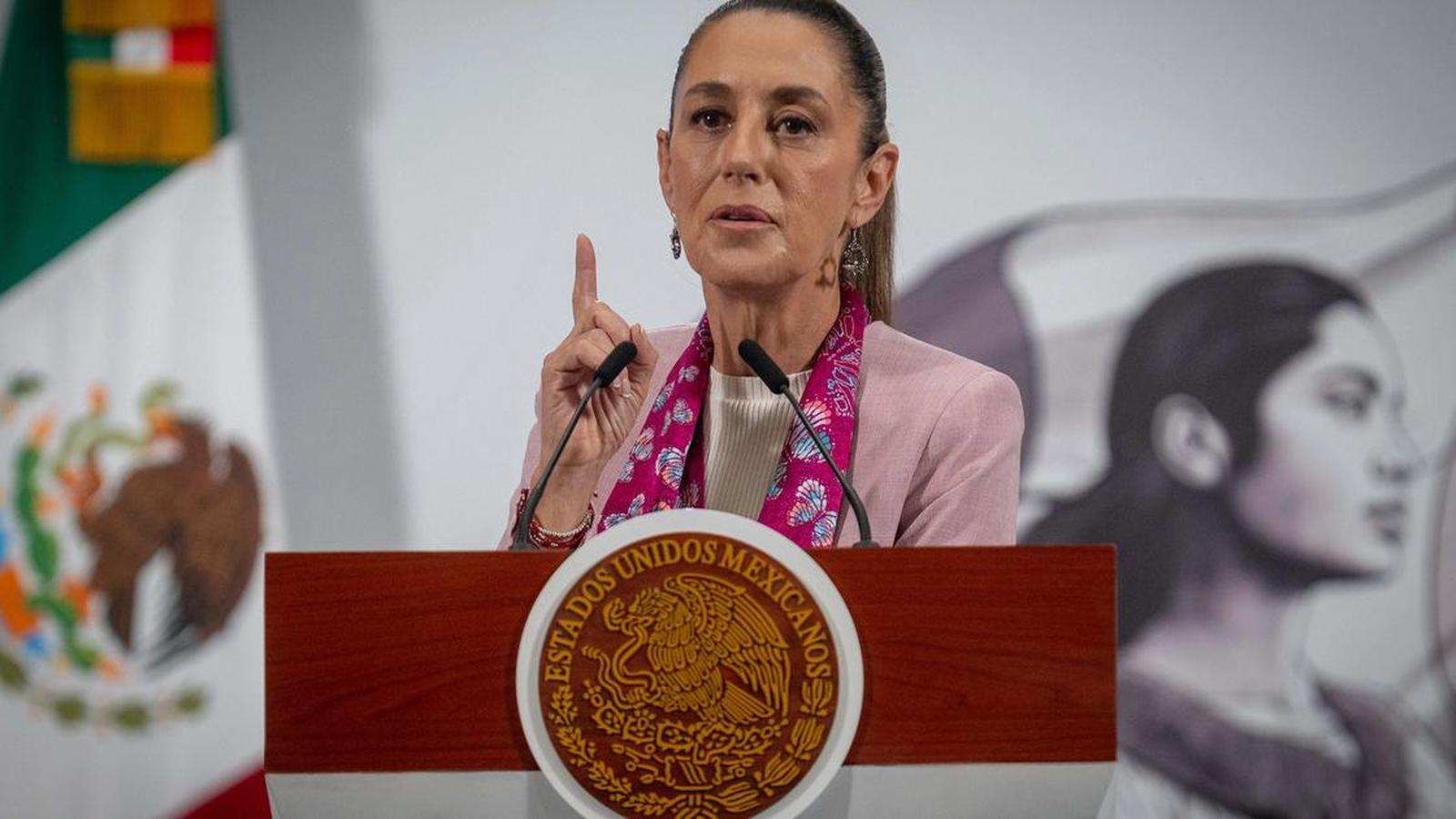
President Sheinbaum responded swiftly and resolutely. Speaking at her daily press conference the next day, she announced that she would press charges against the assailant. Her words cut to the heart of the issue: “This is something I experienced as a woman, but it is something that all women in our country experience. If I don’t file a complaint, where does that leave all Mexican women? If they do this to the president, what happens to all the other women in the country?” (New York Times)
Her stance resonated with many, triggering a wave of solidarity and indignation. María Antonieta De la Rosa, a feminist activist and artist, described the incident as “really humiliating,” adding, “I felt angry, enraged and impotent.” The attack, she said, was not just an isolated incident, but a symptom of a much larger crisis in Mexico—a country where an average of ten women are killed each day, often in crimes of femicide. “The issue of assault is like the base level on the violence thermometer and it culminates in femicide. So living in a femicidal country, the issue of assault is always there.”
National Debate: Security, Gender Violence, and Accountability
The political reaction was swift and nearly unanimous in its condemnation. Patricia Mercado, a congresswoman from the opposition Citizens’ Movement party, said, “The president lived what thousands of women experience on the street, out in public, at work. This assault, this touching that is so invasive of our bodies as women.” Senators from various parties gathered for a press conference, emphasizing that if such an attack could happen to the nation’s supreme leader, it must also be occurring—often silently—to countless women every day.
Alejandra Arias, a senator from Sheinbaum’s own Morena party, declared: “If this happens to the head of state, to our supreme commander, to our president of the republic, it also happens silently every day to thousands of women in our country.” Laura Itzel Castillo, another Morena senator, called for legal reforms, stating, “The crime committed yesterday against the president of Mexico not only violated her safety, integrity, and dignity, it is called sexual abuse and must be considered a serious crime throughout the country. In the coming days, we will meet with the equality commissions across the country to review our legislative agendas and make significant progress in the prevention, response to, and punishment of all forms of violence against women.”
Not all voices in politics showed support. Alejandro Moreno, leader of the opposition PRI party, suggested—without evidence—that the incident might have been staged to distract from ongoing cartel violence. “It’s the biggest distraction; it’s crude, vile, and hypocritical,” he said. Feminist leaders and activists condemned such statements as “revictimising” Sheinbaum and undermining the credibility of victims everywhere.
Women’s Everyday Reality: Fear, Adaptation, and Resilience
The president’s ordeal highlighted the everyday dangers faced by ordinary women. Alicia Gutiérrez, a 40-year-old nurse, recounted her own experiences with harassment on public transport: “I try not to get on public transport that’s too full, or always sit next to a woman. If being president she was touched in that way, what hope is there for us common folk?” Sofia Landa, a house cleaner, was equally indignant: “Many women suffer this. Sheinbaum has the power to deliver justice.”
For years, Mexico’s high rates of violence against women have fueled a vibrant feminist movement. Tens of thousands march annually on International Women’s Day, demanding justice and reform. The groping incident has now become a symbol—a reminder that, despite progress, the fight for women’s safety and dignity is far from over.
The Wider Context: Politics, Security, and Social Change
The incident comes at a time when Mexico is already grappling with political violence. Only days earlier, Sheinbaum had addressed the nation after the assassination of a mayor in Michoacan state—a stark reminder of the risks public officials face. Yet, as many point out, the risks for women, regardless of status or security, are ever-present.
Sheinbaum’s decision to file a legal complaint is seen as a crucial step—not just for her own dignity, but for the millions of women who look to her for leadership. The public nature of the assault, its documentation on video, and the subsequent debate have forced Mexico to confront uncomfortable truths about gender, power, and accountability.
With legislative reviews and promises of reform on the horizon, activists hope that this moment will translate into meaningful change. Yet, the question remains: Will outrage lead to action, or fade into the background as so many incidents have before?
The public assault on President Claudia Sheinbaum is more than a political scandal—it is a national reckoning with the realities of gender-based violence in Mexico. As the country debates, protests, and legislates, the incident has become both a symbol of women’s vulnerability and a rallying cry for their rights. The path forward demands not just words, but concrete action—so that no woman, regardless of status, faces such indignity again.