
Quick Read
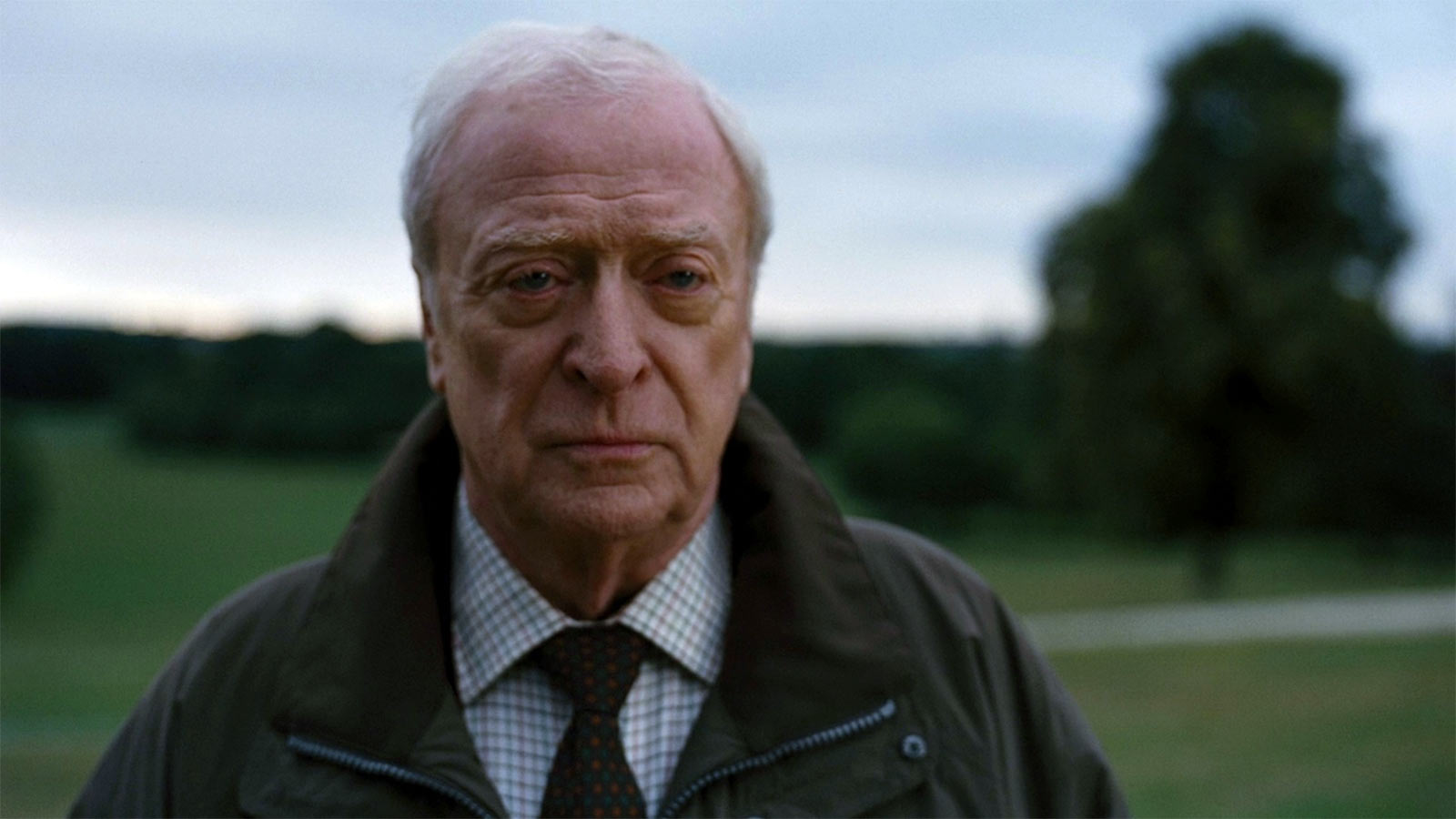
- Michael Caine’s Alfred is the emotional anchor of Nolan’s Dark Knight Trilogy.
- Caine’s performance deepens Bruce Wayne’s journey beyond superhero tropes.
- Alfred’s role as surrogate father is central to the trilogy’s emotional impact.
- Caine’s portrayal has been widely praised for its subtlety and humanity.
- Alfred’s arc provides the trilogy’s most compelling throughline.
Alfred Pennyworth: More Than a Butler, Michael Caine’s Defining Role
When Christopher Nolan set out to reinvent Batman for the big screen, he didn’t just bring Gotham’s shadows to life—he cast a distinctly human light on its inhabitants. And at the heart of this transformation sits Alfred Pennyworth, played with unwavering warmth and gravitas by Michael Caine. Across three films, Caine’s Alfred quietly becomes the trilogy’s beating heart, anchoring Bruce Wayne’s struggle between duty and desire, pain and hope.
Unlike the gadget-laden heroics or the theatrical villainy that have defined Batman’s cinematic history, Caine’s Alfred is a study in restraint and devotion. He’s not just the Wayne family’s loyal retainer—he’s Bruce’s proxy father, confidant, and, perhaps most poignantly, his conscience. It’s this nuanced relationship that sets the Dark Knight Trilogy apart, giving audiences a touchstone for the emotional stakes at play in Gotham’s endless war on crime.
Michael Caine’s Quiet Power: Shaping Bruce Wayne’s Destiny
As the trilogy unfolds, Caine’s performance never slips into melodrama. Instead, his Alfred is the steady voice of reason in Bruce’s increasingly chaotic world. Whether tending to wounds or offering hard truths, Caine imbues Alfred with a quiet agony—he’s a man who’s seen too much, and fears he’ll lose the only family he has left to a crusade that may never end.
This tension is most visible in The Dark Knight Rises, when Bruce Wayne withdraws from the world, haunted by loss and failure. Alfred’s heartbreak is palpable. Caine captures the devastation of a surrogate father watching his son spiral, reminding viewers that the true cost of heroism is often borne in silence. It’s a performance that resonates, not with grand gestures, but with understated, human vulnerability.
Emotional Throughlines: Alfred as Gotham’s Moral Compass
Throughout the trilogy, Nolan weaves themes of legacy, sacrifice, and redemption. And while Batman’s journey is the narrative’s backbone, it’s Alfred who provides its soul. In Batman Begins, Alfred is the anchor as Bruce grapples with trauma and vengeance. In The Dark Knight, he’s the steadying hand as Gotham teeters on the edge of chaos. By The Dark Knight Rises, Alfred’s desperation for Bruce to find peace becomes a central emotional arc.
In interviews, Nolan himself has acknowledged Alfred’s importance: “Alfred is his proxy father; he’s worried that Bruce sees no way out of this other than death by Batman… And then he’s at this moment, and he sees this nod, and he realizes Bruce got out. And we thought, ‘Oh! That’s a story worth telling!’” (CBR). This insight reveals why Caine’s Alfred resonates so deeply—he’s the embodiment of hope, even as Gotham falls apart.
The Human Element: Caine’s Alfred Versus Gotham’s Darkness
What makes Caine’s Alfred so memorable is not just the dialogue, but the moments between words. His lingering glances, his subtle gestures, his ability to convey volumes with a single sigh. While Gotham is beset by masked villains and brooding heroes, Alfred remains steadfast, a beacon of decency in a city built on compromise and corruption.
This dynamic is especially stark when contrasted with the trilogy’s broader themes. Nolan’s vision is grounded—no fantastical villains, no superpowered sidekicks. Instead, the focus is on gritty realism and flawed humanity. Alfred, in this landscape, becomes a symbol of the ordinary heroism that keeps hope alive, even when the world seems determined to snuff it out.
Legacy and Impact: Why Caine’s Alfred Endures
In the years since the trilogy’s release, many elements have been debated—plot holes, the absence of certain characters, even Christian Bale’s infamous Batman voice. But Caine’s Alfred has remained above reproach, widely praised for elevating the material and deepening the emotional resonance of the films.
His portrayal offers a refreshing counterpoint to the spectacle-driven storytelling that often dominates superhero cinema. It’s a reminder that, at its core, Batman’s story is not just about fighting evil—it’s about the relationships that make the fight worth waging. Caine’s Alfred is the living embodiment of this principle, and it’s why his role continues to shape how audiences understand Gotham’s mythos.
Michael Caine: The Man Behind the Character
Of course, Alfred is only one chapter in Michael Caine’s storied career. With over six decades in film, Caine has played everything from cockney anti-heroes to suave spies. But it’s his turn as Alfred that has, for many, become synonymous with the actor’s legacy—a testament to his ability to bring depth and humanity to even the most fantastical of worlds.
In interviews and retrospectives, Caine has spoken about his approach to the role. He saw Alfred not as a mere servant, but as a father figure, a man who loved Bruce Wayne as his own. This perspective shaped every scene, infusing the trilogy with a warmth and gravitas that might otherwise have been lost amid the darkness.
Conclusion: The Heart of Gotham
Rewatching Nolan’s Dark Knight Trilogy in hindsight, it’s clear that Michael Caine’s Alfred is more than a supporting character—he’s the emotional compass guiding Bruce Wayne through the storm. His devotion, wisdom, and quiet sorrow elevate the saga, offering a lens through which viewers can understand the true stakes of Gotham’s endless struggle.
In a world of capes and crusaders, it’s the quietly heroic Alfred who reminds us what’s worth saving. And that, perhaps, is the trilogy’s greatest legacy.
Michael Caine’s portrayal of Alfred Pennyworth stands as a masterclass in subtle, human storytelling, anchoring Nolan’s epic with emotional truth that will endure long after Gotham’s shadows fade.