
Quick Read
- 1.3 million active-duty military service members risk missing paychecks as the shutdown enters its fifth week.
- Earlier, $8 billion was shifted from military R&D funds to cover payroll, but those reserves are running out.
- The Pentagon accepted a $130 million anonymous donation to help pay troops, but it covers only a fraction of the need.
- Legal constraints limit the administration’s ability to redirect funds for military pay.
- Congress remains deadlocked, with no clear solution to guarantee future military salaries.
Military Pay Uncertainty: The Human Cost of Government Gridlock
For nearly one month, the halls of Congress have echoed with impasse. As lawmakers remain entrenched in their positions, the federal government shutdown pushes deeper into its fifth week, sending shockwaves through every corner of American life. But for 1.3 million active-duty military service members, the stakes are especially high: their next paycheck may never arrive.
In the shadow of partisan deadlock, the Trump administration has scrambled to keep military salaries flowing. Earlier this month, $8 billion was diverted from military research and development funds to pay service members, a move that bought time—but not certainty. As Friday approaches, those reserves are nearly exhausted, and the administration has not revealed whether another financial lifeline is forthcoming.
Patchwork Solutions: R&D Funds and Private Donations
It’s a scenario that seems almost surreal. The Pentagon, facing a funding shortfall, recently accepted an anonymous $130 million donation to help meet payroll. While generous, this gift is a mere drop in the bucket compared to the billions required each pay period. The reality is stark: one-off solutions cannot fill the gap for long.
According to CBS News, Vice President JD Vance confirmed the administration had found a way to pay military personnel this Friday, but details remain scarce. The lack of transparency has fueled anxiety among service members and their families, who depend on regular income for essentials like housing, food, and childcare. Some have already begun to brace for missed payments, cutting back on expenses and searching for temporary support.
The Domino Effect: Federal Workers and Essential Services
The ripple effects of the shutdown extend far beyond the military. More than 650,000 federal employees have been furloughed, contracts have stalled, and aid programs like SNAP (Supplemental Nutrition Assistance Program) are on the brink of collapse. The Congressional Budget Office projects federal outlays will be $33 billion lower if the shutdown ends this week, rising to $74 billion if it stretches into late November. Delayed pay, halted contracts, and missed benefits mean that even when the government reopens, not all lost economic activity will be recovered.
Military families are particularly vulnerable. Unlike some federal workers who might eventually receive back pay, service members risk immediate disruption to their finances. Mortgage payments, utility bills, and daily necessities do not wait for political compromise. The uncertainty is not just a budgetary issue—it’s a question of morale and readiness.
Legal and Political Wrangling: Can Pay Be Guaranteed?
Why can’t the government simply move money around to fund military pay? Agriculture Secretary Brooke Rollins told CBS News that legal restrictions prevent the administration from using contingency funds for programs like SNAP, and similar limitations apply to other federal spending. While some emergency measures have been used for military pay, these options are finite and fraught with legal complexity.
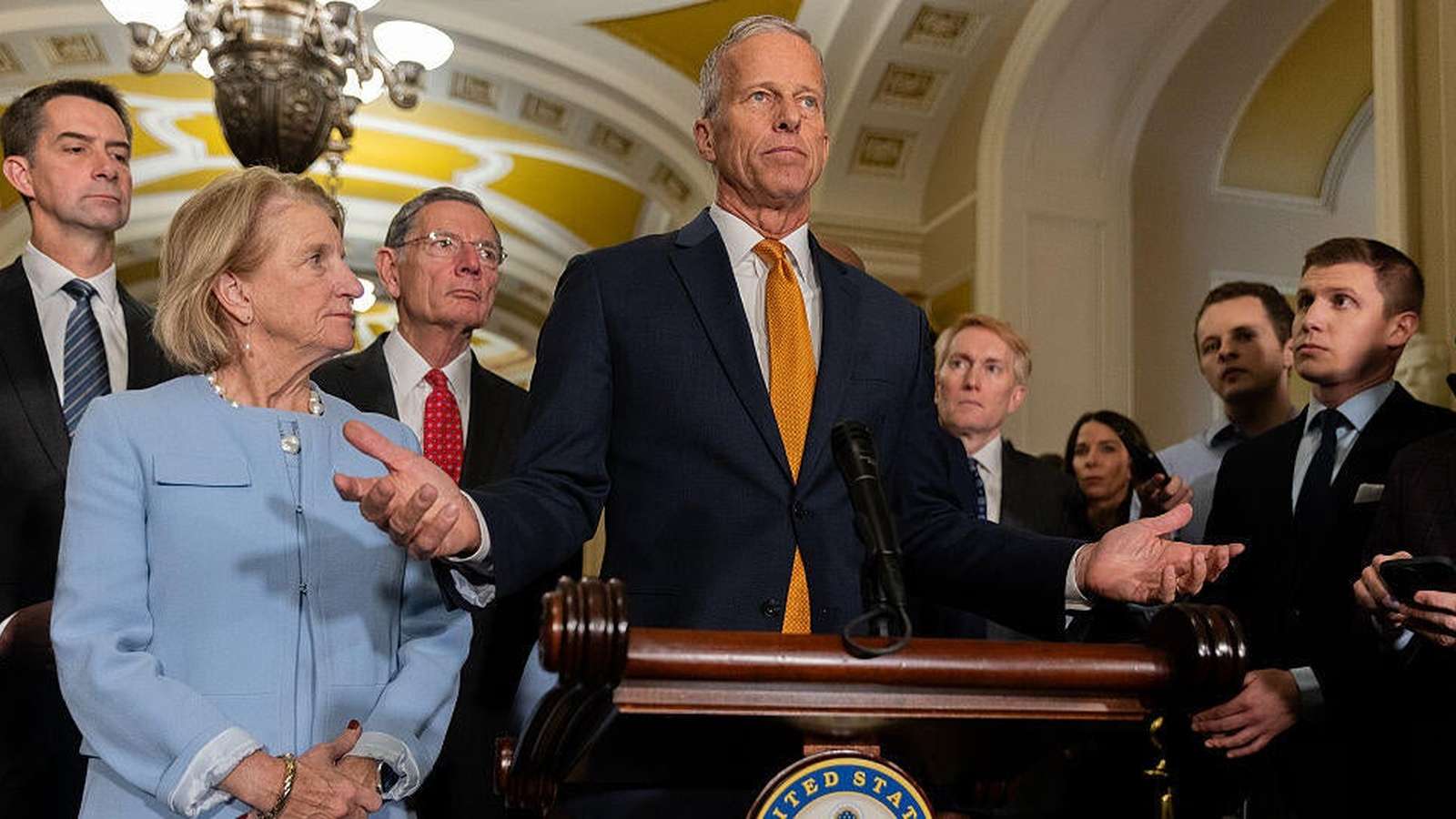
The Senate, meanwhile, remains at a stalemate. Efforts to pass piecemeal bills to fund specific groups—like military personnel—have met resistance. Senate Majority Leader John Thune dismissed such targeted funding as politically expedient but ultimately ineffective. The only comprehensive solution, he argued, is for Congress to approve a new budget and end the shutdown.
Senate Minority Leader Chuck Schumer has pushed for legislation to fund critical programs, but bipartisan support is elusive. The cycle of proposals and procedural votes continues, with no breakthrough in sight.
On the Ground: Military Families Brace for Impact
For service members and their families, the uncertainty has become a daily reality. Some are turning to nonprofit organizations like World Central Kitchen, which has opened food distribution centers in Washington, D.C., to assist furloughed workers. Others are seeking help from local communities and military support groups.
Military spouses describe the stress of not knowing when—or if—income will arrive. “We’re used to adapting, but not knowing how we’ll pay rent next week is another level,” said one Army wife in Virginia. The threat of missed paychecks has forced families to dip into savings and reconsider holiday plans, as the shutdown drags on with no end in sight.
The Broader Economic Toll
The Congressional Budget Office warns that the shutdown could cost the economy up to $14 billion in unrecoverable output, mainly from hours not worked. Real GDP growth for the fourth quarter will be 1 to 2 percentage points lower than it otherwise would be. While some of this loss may be recouped when back pay and delayed spending are released, the damage to household budgets and local economies could linger for months.
The situation is compounded by other looming cutoffs. Food assistance for 42 million Americans is set to expire, and Head Start preschool programs risk closure, affecting more than 65,000 children. As each day passes, the list of those impacted grows longer.
What Comes Next?
With Congress at a standstill and emergency measures running out, the future remains uncertain for military pay. The Trump administration has not committed to further fund shifts or new donations, and legal hurdles complicate the ability to guarantee salaries. For service members on the front lines—and their families at home—the wait continues.
The question now is not just when the shutdown will end, but how long its aftershocks will last. Will Congress find a path forward before another round of missed paychecks? Or will temporary fixes and private generosity become the new normal?
As the government shutdown grinds on, the threat to military pay exposes the fragility of stopgap funding and the real-world consequences of political gridlock. The uncertainty faced by service members and their families is a stark reminder that behind every budget debate are lives—and livelihoods—hanging in the balance.