


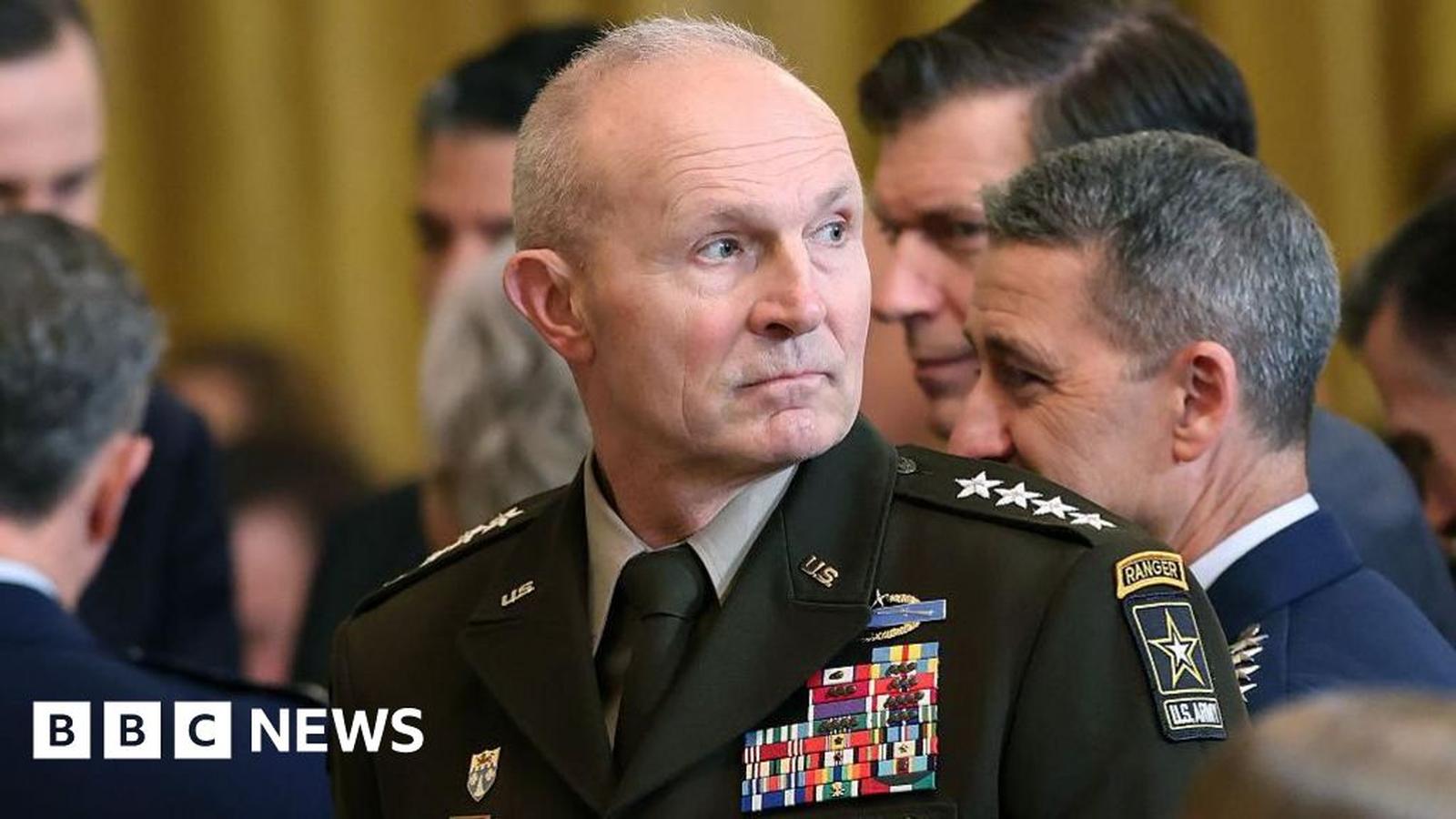
WASHINGTON (Azat TV) – War Secretary Pete Hegseth has ordered General Randy George to step down as the chief of staff of the United States Army, effective immediately. The abrupt removal, confirmed by Pentagon officials on Thursday, forces out the nation’s top ground forces commander months before his expected summer departure, signaling a deepening consolidation of control within the military hierarchy during the ongoing conflict with Iran.
Pentagon Leadership Overhaul Amid Regional War
General George’s immediate retirement comes as the U.S. continues to navigate a high-stakes military engagement in the Middle East. While the Pentagon provided no specific justification for the order, sources close to the administration indicated that Hegseth is seeking a leadership team fully aligned with the president’s strategic vision for the Army. This move follows a broader trend of high-level departures that have reshaped the Pentagon’s senior ranks since early 2025, including the previous firing of Joint Chiefs Chairman General Charles “CQ” Brown.
Sidelining Senior Officers and Strategic Stability
The departure of General George coincides with the removal of at least a dozen other senior officers, including General David Hodne, who led the Army’s Transformation and Training Command, and Major General William Green Jr., the head of the Army’s Chaplain Corps. The simultaneous ousting of these figures has raised significant concerns among lawmakers and military analysts regarding the stability of the armed forces during a period of active warfare. Critics argue that the rapid turnover, particularly within the Chaplain Corps and training commands, threatens to disrupt institutional continuity at a time when the military requires steady leadership to manage complex combat operations.
Political Precedent and Military Neutrality
The shift in military leadership has ignited a fierce debate over the politicization of the Department of War. Hegseth has consistently defended these personnel moves as a necessary exercise of executive authority, asserting that the president is entitled to appoint commanders who share his policy objectives. Conversely, Democratic lawmakers have warned that the pattern of dismissals risks eroding the traditional neutrality of the U.S. military. As the conflict with Iran shows no immediate signs of de-escalation, the ability of the new command structure to maintain operational effectiveness remains a central point of contention in Washington.
The forced exit of the Army Chief of Staff during an active theater of war marks a departure from historical norms of military transition, suggesting that the administration is prioritizing ideological alignment over the traditional preference for institutional stability during periods of national security crises.