
Quick Read
- A mysterious chemical sheen has emerged on the Mississippi River, triggering an urgent environmental investigation by state and federal agencies.
- The U.S. Army Corps of Engineers recently awarded a $12.8 million contract for navigation improvements, which is now facing public scrutiny regarding environmental safeguards.
- Local authorities are struggling to reconcile the port’s new ‘Silver’ operational efficiency designation with the immediate need to address potential industrial pollution and protect public health.
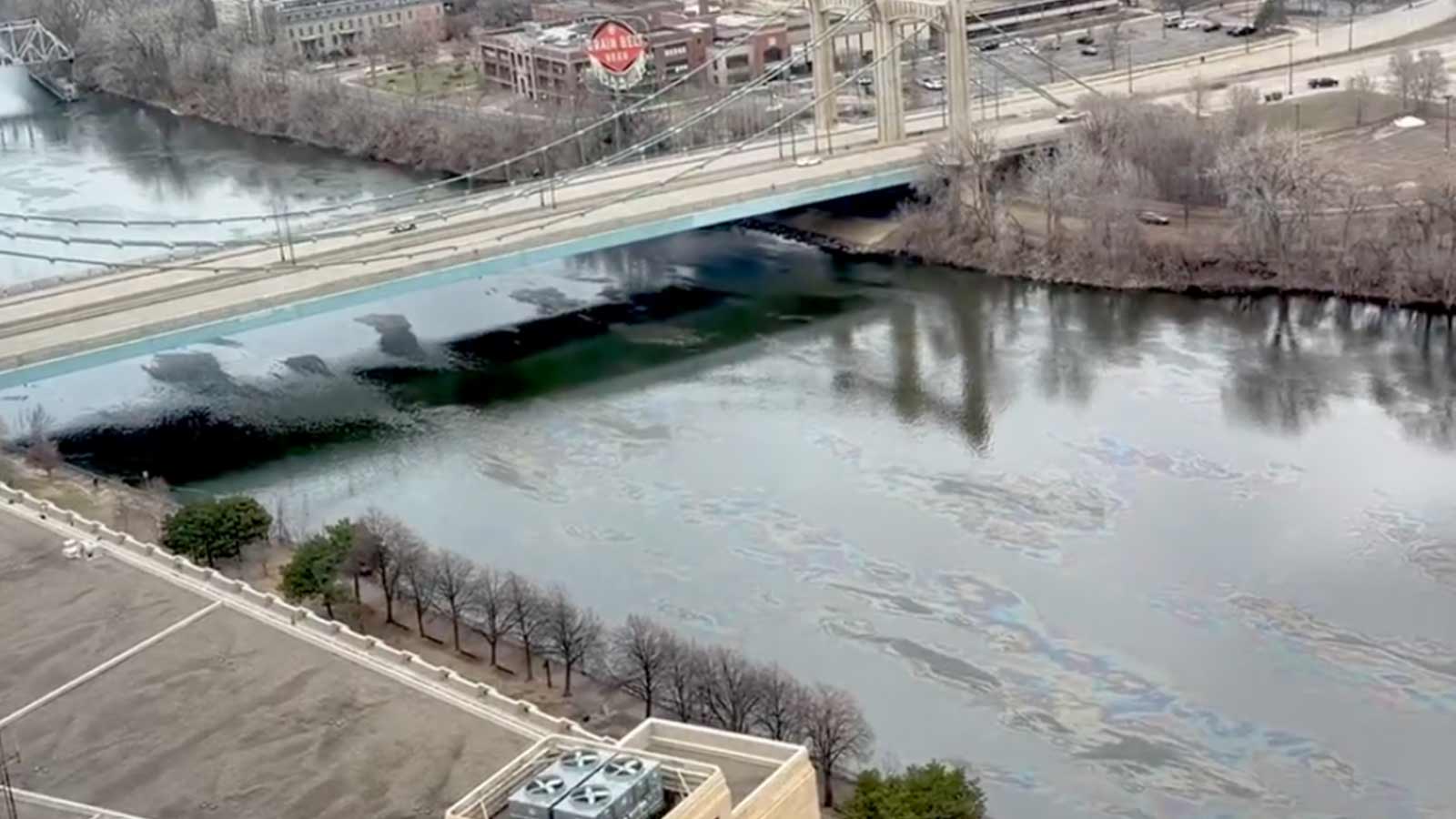
MINNEAPOLIS (Azat TV) – Federal and local authorities have launched an urgent investigation into the source of an unexplained sheen appearing on the Mississippi River, casting a shadow over a critical logistics hub that recently achieved a prestigious ‘Silver’ designation for operational efficiency. The discovery of the surface film, which has raised immediate concerns regarding public health and environmental stability, coincides with the awarding of a $12.8 million contract by the U.S. Army Corps of Engineers aimed at critical navigation improvements along the waterway.
Navigating Environmental Risks and Industrial Growth
The Minnesota Pollution Control Agency is currently working alongside federal partners to determine whether the chemical discharge originates from industrial runoff or maritime maintenance activities. The presence of the sheen near the Minneapolis port complex presents a significant challenge to the site’s newly minted status, which was intended to highlight the facility’s balance between high-volume commercial throughput and sustainable management. Officials are conducting water quality testing to assess the toxicity levels and identify potential long-term impacts on the river ecosystem.
Infrastructure Investment Amidst Oversight
The $12.8 million contract, intended to deepen and stabilize navigation channels, is now being scrutinized as stakeholders demand greater transparency regarding how increased industrial traffic will be managed alongside environmental protections. The U.S. Army Corps of Engineers has confirmed that the project is essential for maintaining the economic viability of the region’s river-based transport, particularly as shipping volumes are expected to rise through the 2026 season. However, environmental groups are calling for a pause in dredging operations until the source of the recent pollution is fully contained and mitigated.
Balancing Economic Stakes and Public Health
The tension between maintaining the river’s role as a primary artery for Midwestern trade and ensuring the safety of the drinking water supply remains a primary concern for local officials. While the port complex strives to maintain its ‘Silver’ efficiency rating, the current investigation underscores the fragility of the balance between industrial readiness and ecological stewardship. Residents and local businesses are awaiting the results of the environmental assessment to determine the extent of the impact on the immediate riverfront.
The confluence of major infrastructure investment and immediate environmental degradation indicates a critical juncture for the Mississippi River, where the push for logistical dominance is increasingly colliding with the realities of aging industrial oversight and the imperative for stricter pollution control.