


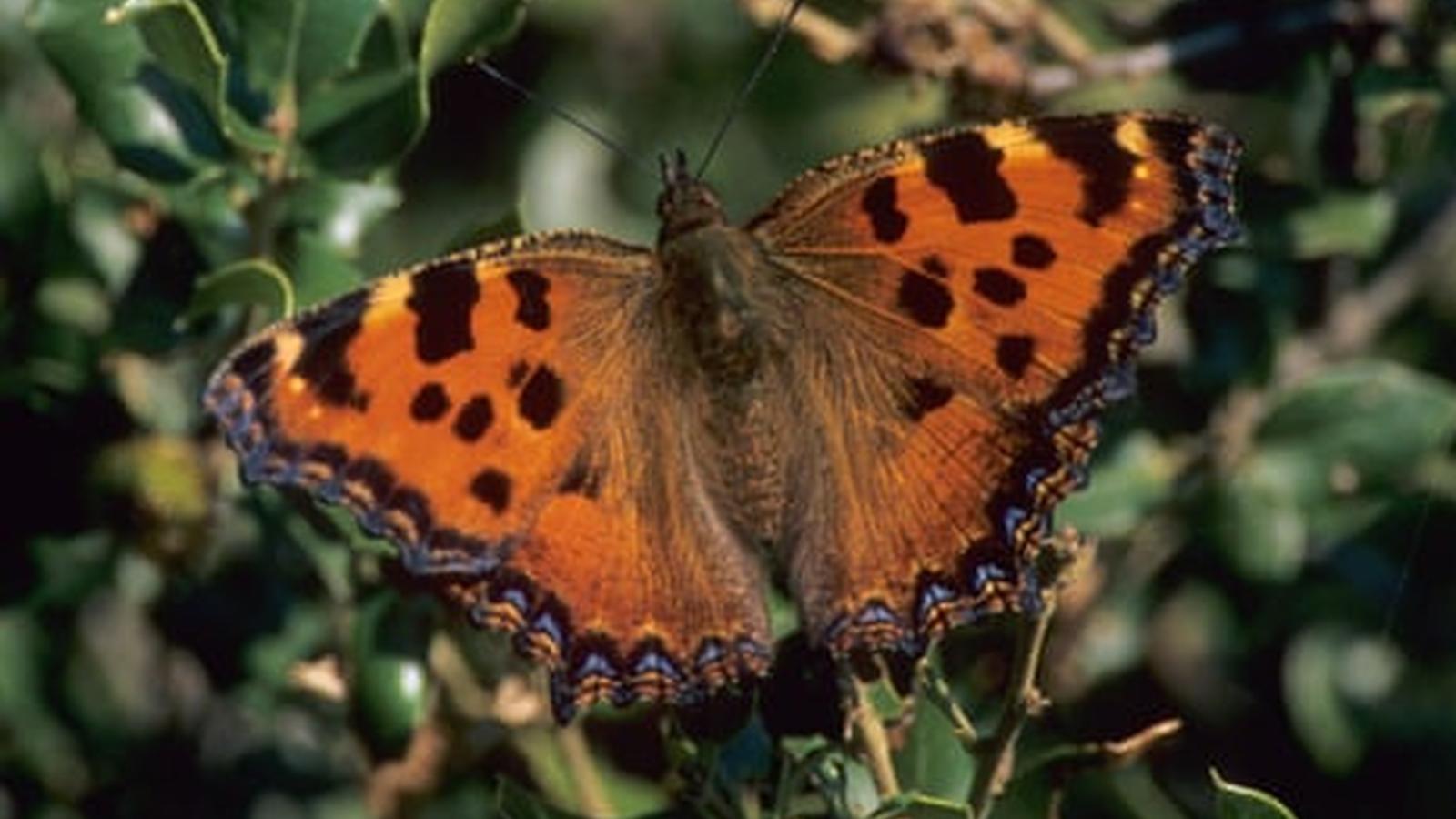
In a rare piece of positive ecological news, the large tortoiseshell butterfly (Nymphalis polychloros) has been officially reclassified as a resident species in the United Kingdom for the first time in 58 years. The confirmation marks a significant milestone for British conservationists who have tracked the tree-dwelling insect’s slow but steady recovery across the landscape.
The Return of the Large Tortoiseshell
The large tortoiseshell, known for its distinct orange-brown wings and preference for elm, willow, and aspen trees, was long thought to have vanished from the British Isles. While sporadic sightings were recorded in 2006 and 2007, many experts previously dismissed these as the result of unauthorized releases by private breeders. However, consistent population growth and successful breeding cycles in recent years have led the charity Butterfly Conservation to conclude that the species is now firmly re-established as a permanent resident rather than a migratory visitor.
Monitoring the Expanding Population
To better understand the distribution and health of this resurgent population, conservationists are calling on the public to assist in ongoing research. The charity is urging nature enthusiasts to document any sightings via the science app, iRecord. This crowdsourced data is essential for scientists to build a comprehensive map of where the butterflies are nesting and to ensure the species remains protected as it expands its territory.
Conservation Significance
The return of the large tortoiseshell serves as a notable indicator of changing environmental conditions and successful habitat management. While the butterfly faced near-total decline in the mid-20th century, the current comeback provides a rare success story in an era often defined by biodiversity loss. Researchers remain cautious but optimistic, noting that the species’ ability to survive and thrive on native tree populations suggests a positive trend for the broader woodland ecosystems of the UK.
The re-establishment of the large tortoiseshell highlights that targeted conservation efforts and environmental monitoring can facilitate the recovery of species previously written off as lost to the British landscape.