
Quick Read
- The Houthi rebels attacked and sank the Liberian-flagged Eternity C in the Red Sea on July 9, 2025.
- Three sailors were killed, six were rescued, and 15 remain missing.
- The U.S. Embassy accused the Houthis of kidnapping the surviving crew members.
- The attacks are linked to escalating tensions tied to the Israel-Hamas conflict.
- The international community has condemned the violence and called for maritime security.
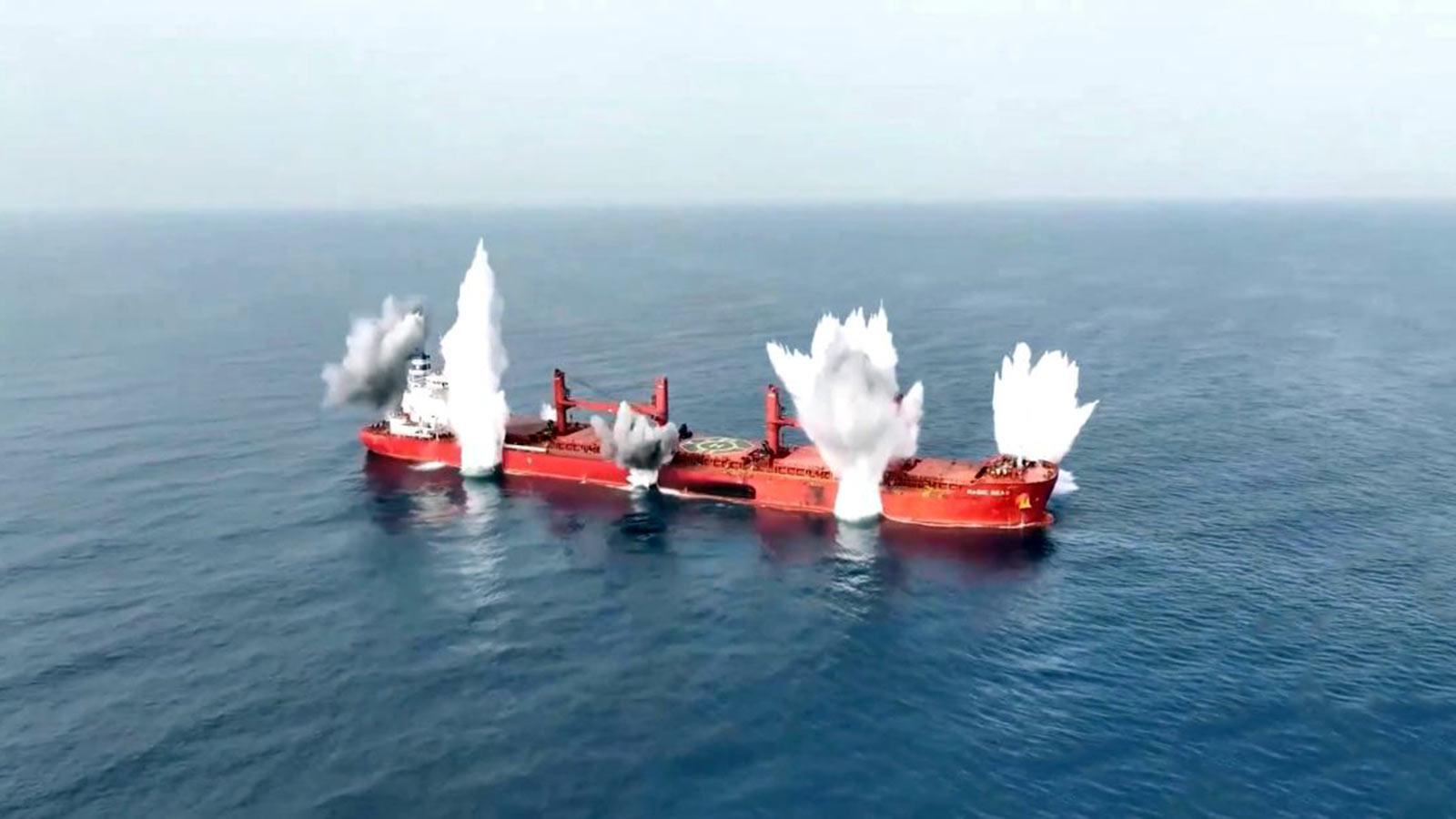
The Red Sea has become a flashpoint of escalating maritime violence, with Yemen’s Houthi rebels at the center of the latest incident. On Wednesday, July 9, 2025, the Liberian-flagged, Greek-owned cargo ship Eternity C was attacked and sunk in the Red Sea. The assault left three sailors dead, six rescued, and 15 others missing, according to a statement by the European Union naval mission operating in the region. The attack, reportedly carried out with gunfire and explosive drones, has drawn international condemnation and sparked new fears of instability in the region.
The Attack and Its Immediate Aftermath
The Eternity C, carrying a crew of 22 sailors—including 21 Filipinos and one Russian—came under sustained attack by Houthi forces. According to Addis Standard, the assault lasted for hours and culminated in the ship’s sinking. Dramatic footage released by the Houthis showed the vessel being struck repeatedly, while a rebel voice offered the crew an opportunity to flee. However, the fate of many remains uncertain, as only six sailors have been rescued so far—five Filipinos and one Indian—while 15 are still missing.
The Houthis claim they attempted to rescue some crew members and provided medical care, though they have not disclosed further details about the survivors’ conditions or whereabouts. The U.S. Embassy in Yemen, operating from Saudi Arabia, has accused the Houthis of kidnapping the surviving crew members. In a statement posted on social media, the embassy condemned the rebels, saying, “After killing their shipmates, sinking their ship, and hampering rescue efforts, the Houthi terrorists have kidnapped many surviving crew members of the Eternity C.”
Regional and International Repercussions
This attack follows another recent incident involving the bulk carrier Magic Seas, which was also targeted by Houthi forces and sunk just days earlier. These assaults mark a significant escalation in Houthi maritime operations, which the group ties to broader geopolitical tensions, including the Israel-Hamas conflict in Gaza. On the same day as the Eternity C attack, the Houthis claimed responsibility for firing a missile at Israel, which was intercepted by Israeli defense forces.
The European Union naval mission in the Red Sea has warned shipping companies to exercise caution, particularly those with ties to Israel. The Eternity C’s Greek owners are believed to have been targeted due to their business affiliations with Israeli entities, according to WHEC. Despite these warnings, neither the Eternity C nor the Magic Seas had requested EU naval escorts before their fateful journeys.
In Manila, Philippines, the government is working closely with the families of the missing Filipino sailors. Migrant Workers Secretary Hans Cacdac has reassured families that efforts are underway to locate and rescue the missing crew. “It’s human nature to be terribly worried and distraught about the situation,” Cacdac told AP. “We are here to provide not just government services but also moral support during this difficult time.”
Historical Context and Broader Implications
The Houthis have a history of holding mariners hostage. In November 2023, they seized the ship Galaxy Leader, detaining its crew until January 2025. These actions are part of a broader strategy to assert control over key maritime routes and challenge international norms, particularly in the context of their ongoing conflict with the Saudi-led coalition in Yemen.
The attacks also come at a delicate time for U.S.-Iran relations, as negotiations over Tehran’s nuclear program hang in the balance. The Houthis, backed by Iran, have used these maritime incidents to exert pressure on their adversaries, further complicating an already volatile situation in the Middle East. The U.S. and its allies have called for a united international response to ensure the safety of maritime routes and the swift release of the captured sailors.
The Red Sea remains a critical artery for global trade, and incidents like these highlight the precariousness of maritime security in the region. As search and rescue efforts continue, the international community must grapple with the broader implications of this growing threat.