
Quick Read
- Los Angeles County confirmed three cases of locally acquired clade I mpox, none with recent travel history.
- Enhanced surveillance and contact tracing are underway to curb possible community spread.
- JYNNEOS vaccine is strongly recommended for high-risk groups and is available at pharmacies and clinics.
- Ghana reported 22 new mpox cases, bringing the total to 735, with three deaths so far.
- WHO declared mpox a public health emergency in Africa in August 2024, with vaccines now available.
As autumn settles over Los Angeles, health authorities find themselves on high alert. In the span of just a few days, the county has documented a second—and then a third—case of locally acquired clade I mpox, a variant historically confined to specific regions in Africa. This sudden emergence, as CIDRAP and HeySocal report, marks a pivotal moment for public health in the United States.
Clade I Mpox: Local Transmission Raises Concerns in Los Angeles
On October 17, 2025, Los Angeles County Public Health confirmed its second case of clade I mpox in an adult who had not traveled to endemic areas. Shortly after, a third case was identified, also without any travel history. These patients, initially hospitalized, are now recovering at home. What makes these cases particularly significant is their local origin—neither patient had recently been abroad, shattering the assumption that clade I infections are exclusively imported.
This development prompted LA County Health Officer Dr. Muntu Davis to issue a cautionary statement: “The confirmation of a third case with no travel history raises concerns about possible local spread in Los Angeles County.” Enhanced surveillance and contact tracing are underway, as officials work to uncover the transmission route of this potentially more severe variant.
Clade I mpox has been linked to outbreaks in Africa since 2024, while clade II—generally causing milder illness—has circulated at low levels in the U.S. since 2022. So far in 2025, LA County has reported 118 cases of clade II mpox, but the recent clade I cases have prompted urgent review of local protocols and readiness.
Symptoms, Diagnosis, and the Importance of Early Action
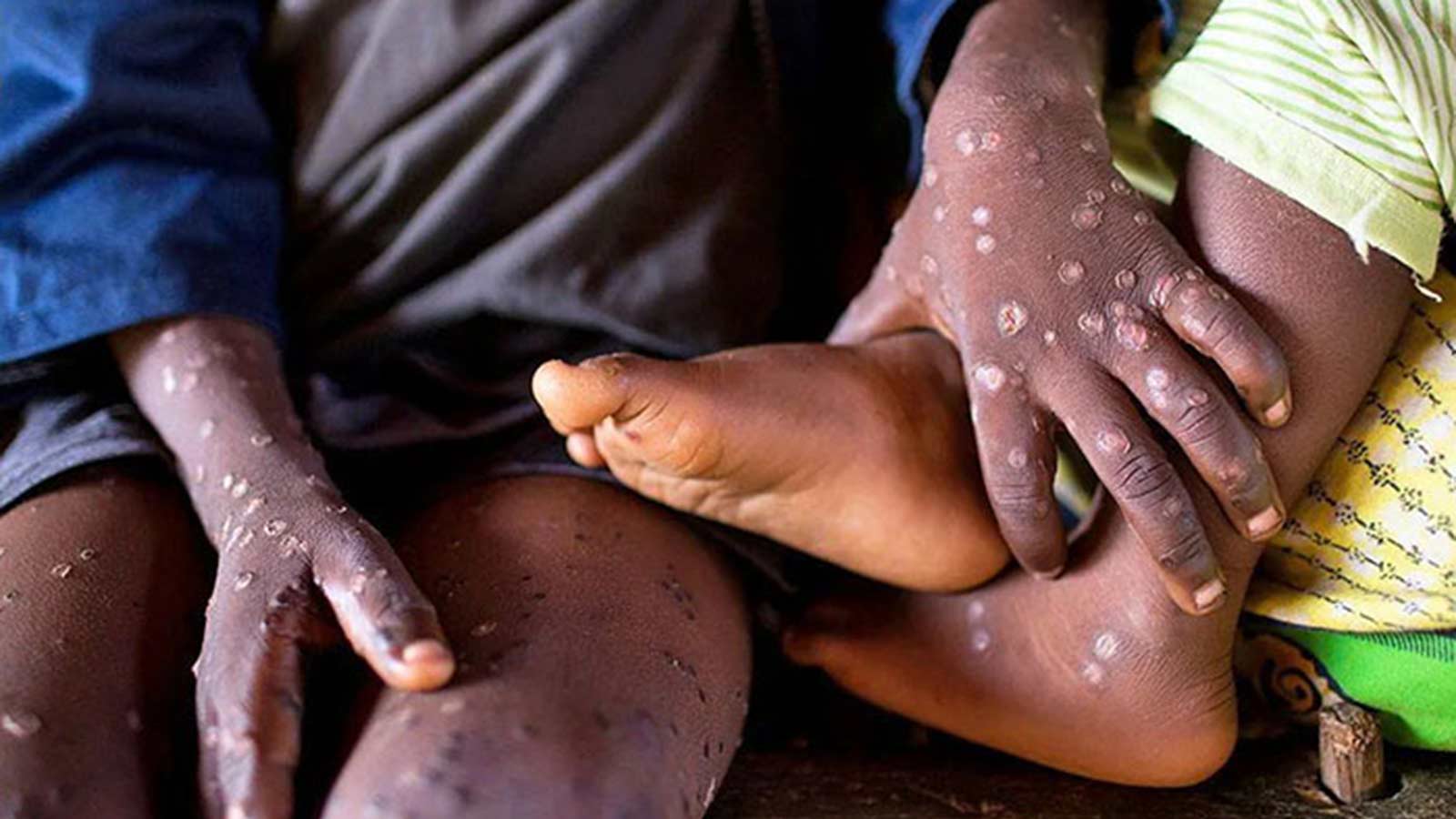
Mpox, previously known as monkeypox, typically begins with flu-like symptoms: fever, headache, muscle aches, and sometimes back pain. Soon after, a rash develops, which may spread across the body. Swollen lymph nodes are another hallmark. Both clade I and II can be transmitted through close personal contact—within households, during intimate encounters, or through shared personal items.
Dr. Cliff Okada, a Long Beach public health physician, recommends vigilance: “Anyone with an unexplained rash or lesions should seek care promptly. Speak openly with intimate partners and your healthcare provider. Early action protects you and others.” Laboratory testing of lesions can confirm diagnosis for both clades, and local health teams are coordinating with state and federal counterparts to sequence viral samples, seeking clues about mutation and spread.
Vaccination: Who Should Consider the JYNNEOS Vaccine?
To combat the growing threat, LA County officials strongly recommend vaccination with two doses of the JYNNEOS vaccine, which offers protection against both clade I and II. Pharmacies throughout the county stock the vaccine, and appointments are advised due to limited supply. Uninsured and underinsured residents can receive the vaccine free at Sexual Health Clinics, or through assistance programs such as PrEP and AIDS Drug Assistance.
The recommended groups include gay, bisexual, and other men who have sex with men; transgender and gender-diverse individuals; those living with HIV or taking PrEP; anyone exposed to mpox in the past 14 days; travelers to regions with active outbreaks; those attending commercial sex events; and anyone who requests vaccination, regardless of stated risk factors.
With local spread now a reality, health officials emphasize that early vaccination and prompt medical consultation are key to containment.
Mpox in Africa: Ghana’s Rising Numbers and Regional Impact
While Los Angeles grapples with clade I’s arrival, Ghana faces its own mpox challenge. According to the Ghana Health Service, 22 new cases were detected as of October 14, 2025, bringing the nation’s total to 735. Two patients are currently hospitalized, and three deaths have been recorded.
Mpox, a viral disease spread through close contact, manifests as rash, fever, muscle pain, and swollen lymph nodes. The Ghana Health Service urges frequent handwashing, the use of masks, and covering lesions until the rash heals. Anyone exhibiting symptoms is advised to seek medical care immediately.
The World Health Organization declared mpox a public health emergency of international concern in August 2024, citing a new variant spreading in Africa. Over 17,000 suspected cases and 517 deaths were reported continent-wide in 2024, with more than 20,000 infections in the latest outbreak.
In response, the WHO approved the use of an mpox vaccine for the first time, aiming to facilitate access for millions at risk. As of October 2025, cases have been reported in more than 13 African countries, signaling a persistent and evolving challenge for public health authorities.
Looking Ahead: Surveillance, Community Awareness, and Global Implications
Both in Los Angeles and Ghana, the mpox situation underscores the importance of rapid response, public education, and global collaboration. Enhanced surveillance, contact tracing, and genomic sequencing are critical tools in identifying sources and halting further transmission. Community awareness—especially around symptoms and transmission routes—remains vital.
Officials in LA County and Ghana continue to adapt guidelines as new information emerges, emphasizing the need for vaccination, prompt reporting of symptoms, and adherence to preventive measures. The interconnectedness of mpox outbreaks worldwide serves as a reminder: viral diseases know no borders, and preparedness requires vigilance at every level—from local clinics to international agencies.
While the current mpox surge in Los Angeles and Ghana highlights vulnerabilities in public health systems, it also reveals the growing capacity for rapid detection and coordinated response. The facts point to a crucial lesson: early intervention, transparent communication, and equitable access to vaccines are the linchpins of effective epidemic management.