
Quick Read
- Pakistan’s Sindh province reports 25 confirmed Mpox cases and nine deaths, while Ghana’s total infections have climbed to 1,062.
- GeoVax Labs is advancing its GEO-MVA vaccine candidate to challenge the current global single-supplier monopoly for orthopoxvirus vaccines.
- Governments are pivoting toward multi-year, procurement-driven strategies to ensure long-term biodefense and supply chain resilience against recurring outbreaks.
A persistent, procurement-driven global Mpox crisis is forcing a fundamental restructuring of the orthopoxvirus vaccine market, as biotechnology firms move to challenge the long-standing single-supplier model. The push for diversification comes as health authorities in Pakistan and Ghana report alarming spikes in infections and mortality, underscoring the limitations of current emergency response capabilities.
Global Outbreak Escalation Drives Emergency Response
The urgency of the situation is reflected in recent data from high-burden regions. In Pakistan’s Sindh province, health officials confirmed 25 cases and nine deaths this year alone, with 122 suspected cases currently under investigation. The Sindh Health Department has activated emergency surveillance units and established dedicated isolation wards to contain the spread. Simultaneously, in Ghana, the Ghana Health Service reported that the national caseload has reached 1,062 confirmed infections, with eight fatalities recorded as of April 11, 2026. These figures illustrate a recurring, multi-continental transmission pattern that has moved beyond initial 2022 emergency cycles, necessitating a more robust and sustainable vaccine infrastructure.
The Shift Toward Competitive Vaccine Procurement
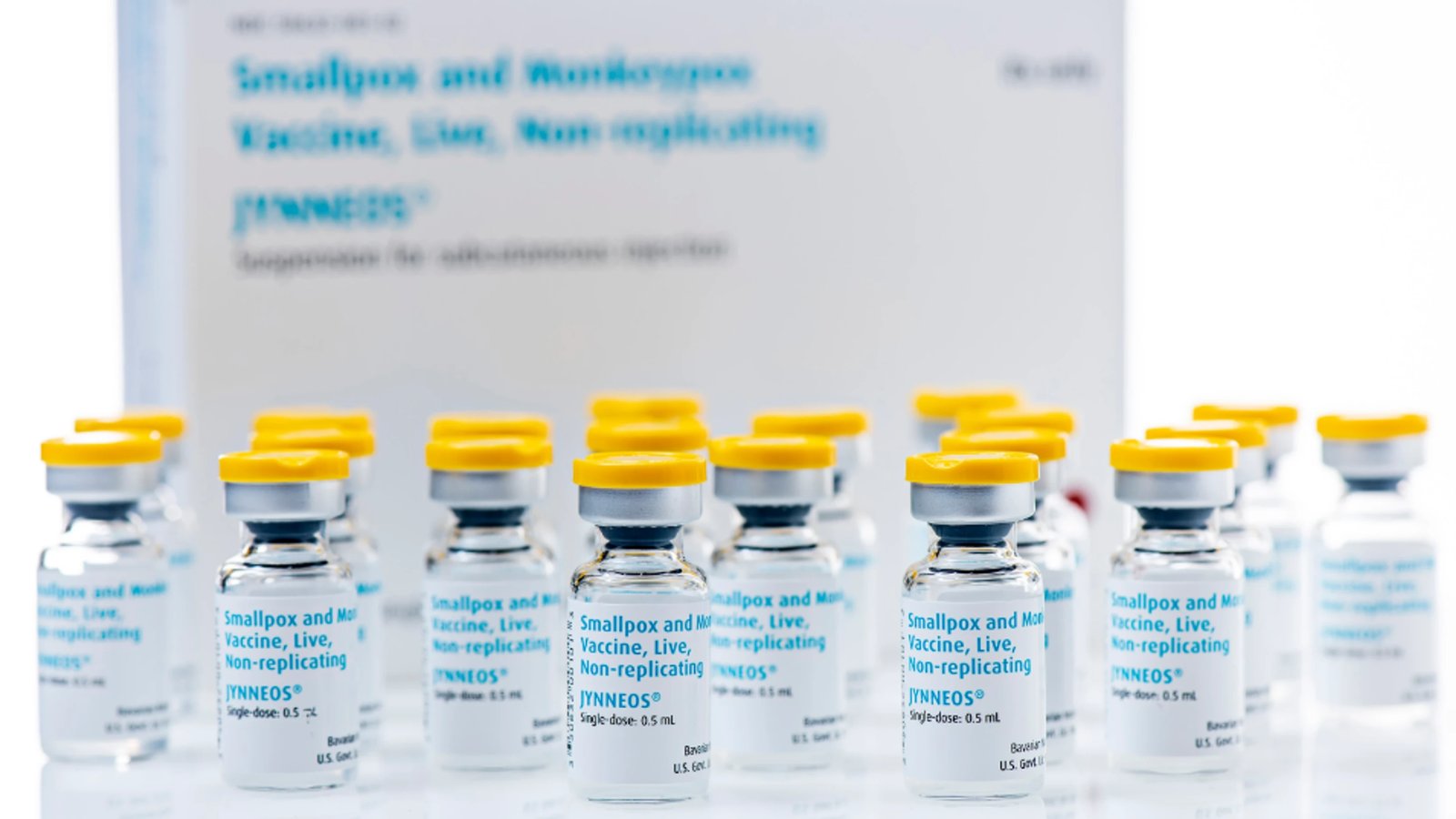
For years, the global supply of Modified Vaccinia Ankara (MVA) vaccines—the gold standard for preventing orthopoxvirus infections—has been restricted to a single commercial source. This concentration has frequently led to depleted government stockpiles and compromised surge capacity during outbreaks. On April 14, 2026, Atlanta-based GeoVax Labs announced that it is positioning its GEO-MVA vaccine candidate to enter the market as a second-source provider. By leveraging an expedited regulatory pathway and planning for a pivotal Phase 3 trial later this year, the company intends to align its production with the multi-year procurement frameworks now being adopted by the U.S., European, and international health agencies.
Strategic Implications for Biodefense and Public Health
The evolving market dynamics suggest that Mpox preparedness is transitioning from a reactive, pandemic-only focus to a permanent component of national biodefense. Governments are prioritizing supply chain resilience, seeking to reduce dependence on single-source providers for critical medical countermeasures. As procurement activity grows into a market valued at hundreds of millions of dollars annually, the focus has shifted toward creating a durable, multi-supplier ecosystem capable of supporting both routine stockpiling and rapid-response requirements. The synchronization of clinical development timelines with these procurement cycles represents a significant policy pivot intended to prevent the systemic shortages observed during previous infection waves.
The shift toward a multi-supplier vaccine market reflects a broader geopolitical recognition that infectious disease readiness is now an active, recurring element of national security, moving the Mpox vaccine industry away from a fragile, single-source dependency toward a more resilient, procurement-hardened infrastructure.