
Quick read
- Elon Musk exits Trump’s administration, ending his role in the Department of Government Efficiency (DOGE).
- Tesla’s brand faces challenges, with profits plunging 71% amid increased competition.
- SpaceX grapples with setbacks, including recent rocket failures, but maintains high investor interest.
- Musk’s social media platform X struggles to rebuild its advertising base post-controversies.
- Starlink’s global expansion may face hurdles without political backing.
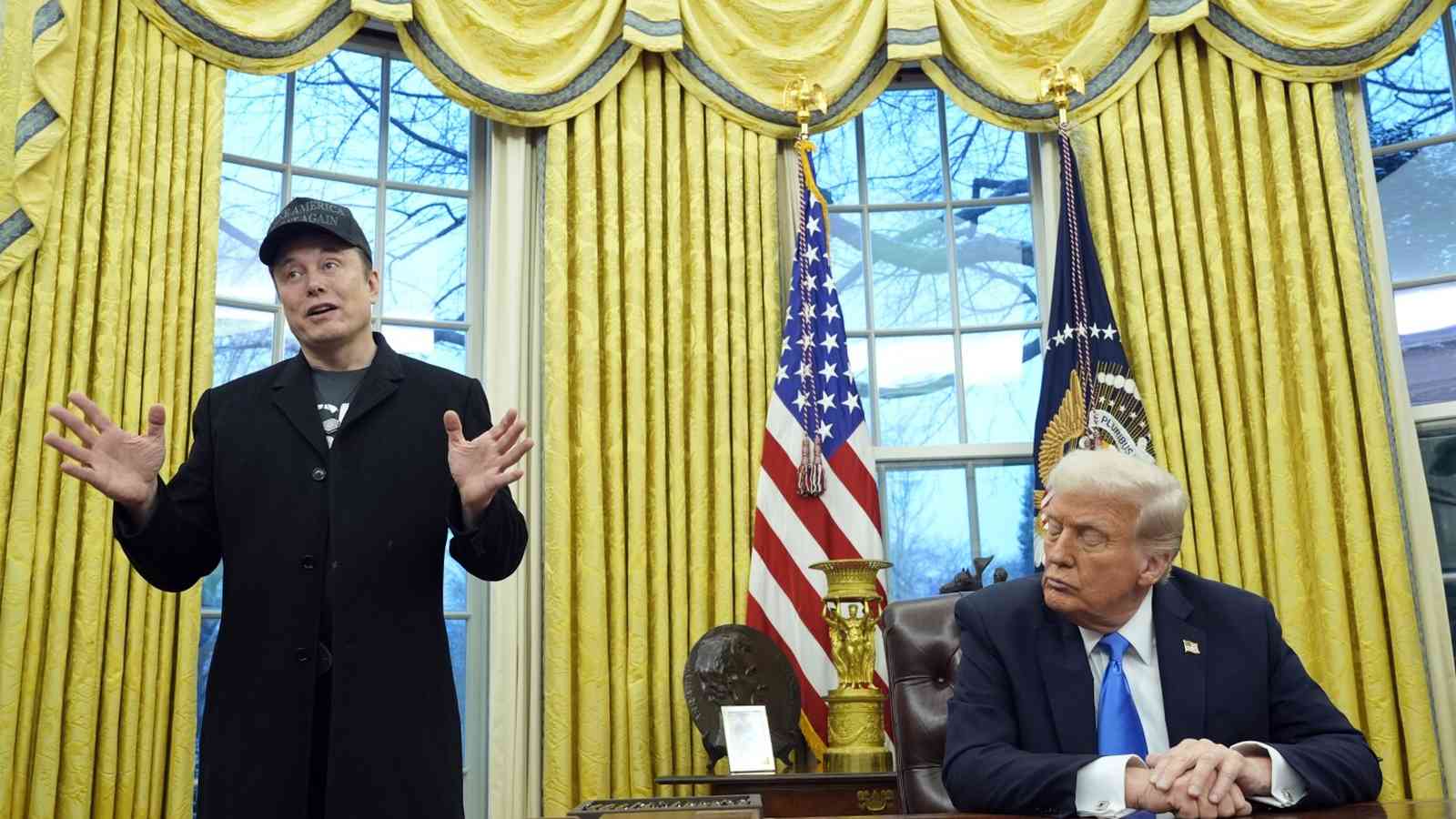
Elon Musk, the enigmatic billionaire known for his relentless drive and ambitious ventures, has officially ended his controversial stint in the Trump administration. As head of the Department of Government Efficiency (DOGE), Musk aimed to slash federal spending, but his tenure sparked significant backlash. Now, as he steps back into the private sector, the ripple effects on his businesses—including Tesla, SpaceX, and Starlink—are beginning to unfold.
Why did Musk break with Trump?
Elon Musk’s departure from Donald Trump’s administration came as no surprise to those closely watching their strained relationship. Musk, who served as a “special government employee” for a fixed 130-day term, publicly criticized Trump’s fiscal policies, including the president’s push for a massive spending bill. According to BBC, Musk expressed frustration, stating that the bill “undermines the work” of DOGE, which he had envisioned as a transformative initiative to curb government waste.
Despite Trump’s praise for Musk as a “terrific” leader, the billionaire’s alignment with right-wing politics significantly impacted his reputation. AP reported that Tesla’s brand suffered “unprecedented damage,” with analysts warning of long-term consequences. Musk’s departure signals a strategic pivot, distancing himself from the political turbulence that clouded his tenure.
How is Tesla faring after Musk’s Washington stint?
Tesla, Musk’s flagship company, has faced a challenging year. Profits plunged 71% in the first quarter, exacerbated by the rise of Chinese competitors like BYD, which recently overtook Tesla as the world’s largest electric vehicle (EV) manufacturer. According to CNBC, the backlash from Musk’s political involvement further eroded consumer trust, particularly in Europe, where sales dropped by half in April.
Adding to Tesla’s woes is the aging vehicle lineup and temporary factory shutdowns to retool the popular Model Y. Analysts from Wedbush Securities described the situation as a “full-blown crisis,” urging Musk to dedicate more time to reviving Tesla’s reputation. A group of investors even wrote to Tesla’s board, demanding Musk spend at least 40 hours a week addressing these issues, according to AP.
On a brighter note, Tesla’s long-awaited robotaxi project is set to debut in Austin, Texas, next month. Musk’s promise of autonomous vehicles has excited investors, with Tesla’s stock jumping 50% after his announcement. However, questions remain about the technology’s safety and its ability to compete with Alphabet’s Waymo, which has already logged over ten million driverless trips.
What challenges does SpaceX face?
SpaceX, Musk’s aerospace venture, continues to navigate a mix of triumphs and setbacks. The company recently experienced a high-profile failure when its Starship mega rocket exploded over the Indian Ocean during a test flight, as reported by AP. This marked the third such incident this year, raising concerns about the reliability of the rocket slated for future NASA moon missions.
Despite these challenges, investor confidence in SpaceX remains strong. The company’s valuation soared to $350 billion following a private financing round, a significant increase from $210 billion last year. According to Livemint, this growth underscores the long-term potential of SpaceX’s satellite launches and commercial space travel initiatives.
However, the clock is ticking for Musk to deliver. NASA has set ambitious timelines for its Artemis program, and SpaceX’s role is critical. Any further delays or failures could jeopardize these missions and the company’s reputation.
Can X rebuild its advertising base?
Since acquiring Twitter—now rebranded as X—in 2022, Musk has faced an uphill battle to restore the platform’s financial stability. His decision to allow controversial content led to an exodus of advertisers, with major brands cutting ties. According to AP, some advertisers returned during Musk’s government tenure, hoping to curry favor with the Trump administration. However, this short-lived boost did little to offset the platform’s declining revenue.
Jasmine Enberg, an analyst at eMarketer, predicts that X’s ad business will recover partially this year but remain smaller than its pre-Musk era. The platform’s future hinges on Musk’s ability to rebuild trust with advertisers while navigating the challenges of content moderation and user engagement.
What’s next for Starlink?
Starlink, SpaceX’s satellite internet subsidiary, has made significant strides in expanding its global footprint. Recent approvals in Saudi Arabia, Bangladesh, and other countries have bolstered its reach, as reported by CNBC. However, questions linger about the role of politics in these deals, particularly during Musk’s time in Washington.
As Musk steps away from the political spotlight, Starlink may face new hurdles. Regulatory challenges in key markets like South Africa could stall its growth. According to BBC, Musk’s criticism of the country’s ownership rules sparked controversy, further complicating Starlink’s expansion plans.
Despite these uncertainties, Starlink remains a cornerstone of Musk’s vision for global connectivity. Its success will depend on strategic partnerships and technological advancements, independent of political influence.
Elon Musk’s departure from the Trump administration marks a pivotal moment for his ventures. While challenges abound, his ability to adapt and innovate will be crucial in shaping the future of Tesla, SpaceX, and Starlink.