
Quick Read
- National parks, including the Grand Canyon, are closed during the government shutdown.
- Open-air spaces like trails and roads remain accessible; visitor centers and staffed buildings are closed.
- Most park employees are furloughed, with only essential services available.
- Smithsonian museums and the National Zoo remain open temporarily using prior year funds.
- Local economies near parks face declines as tourism drops sharply.
National Parks Shutter as Shutdown Strikes: What Visitors Need to Know
As the United States faces yet another government shutdown, the fate of its famed national parks hangs in the balance. From the rugged cliffs of the Grand Canyon to the rolling hills of Shenandoah, the doors to visitor centers are closing, and the trails are left eerily quiet. The shutdown, triggered after lawmakers failed to pass a crucial funding bill, has sent ripples across federal agencies, dramatically altering the landscape for millions of Americans who rely on public lands for recreation and inspiration.
Shutdown Impact: Park Closures and Limited Access
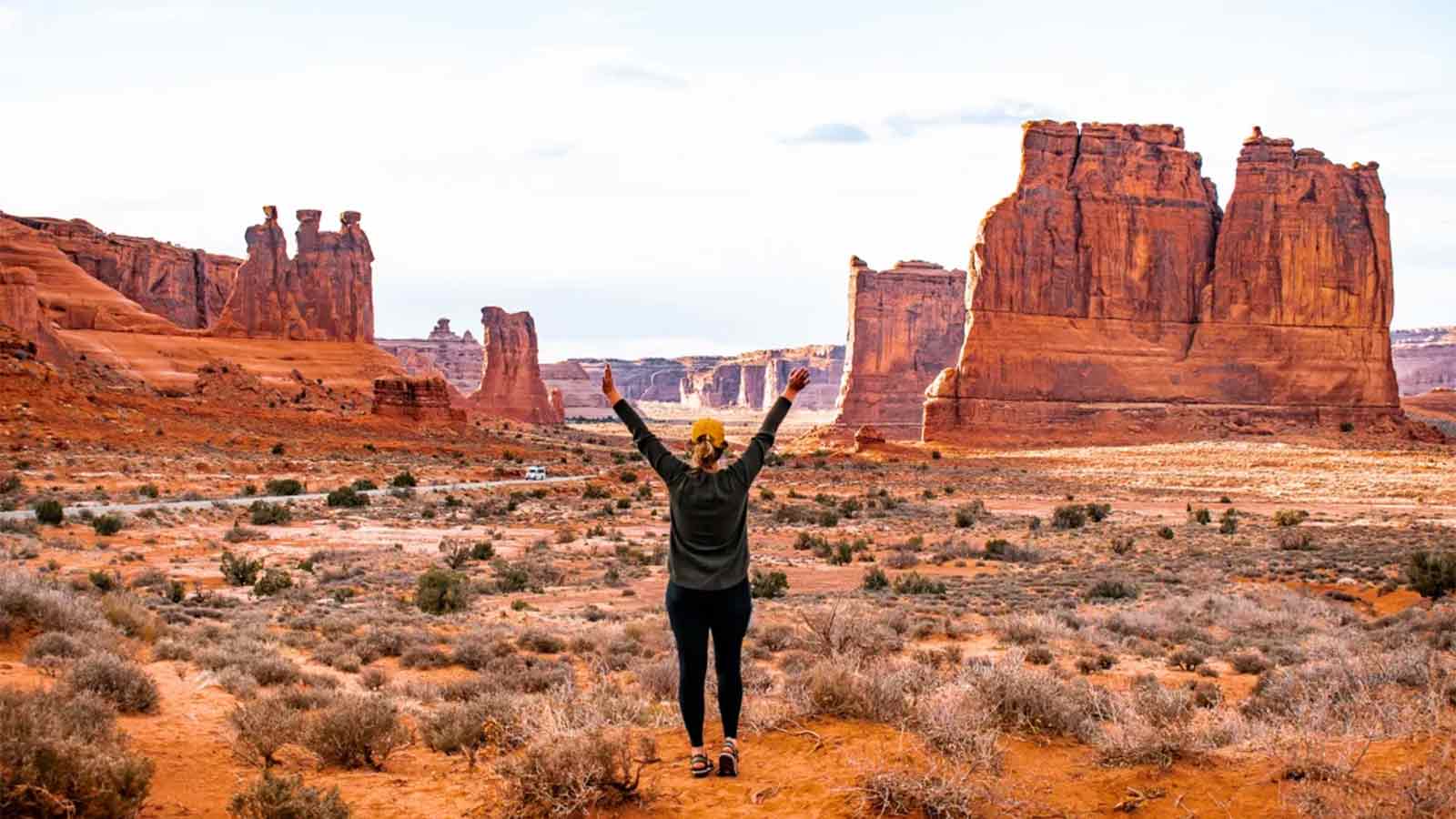
According to the National Park Service’s contingency plan, all national parks—including iconic sites like the Grand Canyon—are closed to the public, with most park employees furloughed. Open-air areas such as park roads, trails, scenic outlooks, and some memorials remain accessible, but the usual support systems that make these places welcoming and safe are now severely restricted. Restrooms will stay open for now, and basic trash collection will continue, yet emergency services are pared down to the bare minimum.
Visitor centers, museums, and staffed attractions have locked their doors, leaving travelers with only the raw beauty of the outdoors, but little in the way of guidance or assistance. Buildings that require staffing, such as the Washington Monument, are off-limits. Those hoping to learn from rangers or attend educational programs will find these resources unavailable until federal funding resumes.
Grand Canyon Closed: No State Lifeline This Time
The Grand Canyon, a crown jewel of America’s national park system, is closed, marking a stark difference from previous shutdowns. In 2013 and 2018, Arizona governors used state funds to keep the park open, recognizing its crucial role in local tourism and employment. This time, however, Governor Katie Hobbs’ administration has confirmed that Arizona cannot afford to shoulder the costs, citing strained budgets and increased federal burdens. As a result, the park’s gates are shut, and its famed vistas are accessible only from public roads and overlooks.
More than 34,000 federal employees in Arizona alone are affected, with only essential staff—such as air traffic controllers and Social Security workers—continuing their duties, albeit without pay. Nonessential employees, including most park rangers and support staff, have been furloughed, their future uncertain until Congress strikes a funding deal.
Ripple Effects: Tourism, Local Economy, and Public Safety
The closure of national parks is more than an inconvenience for would-be hikers and campers. It threatens the livelihood of surrounding communities that depend on tourism. Hotels, restaurants, and local businesses are bracing for sharp declines in revenue, as visitors cancel trips and tour operators scramble to adjust itineraries.
Safety is also a concern. With emergency services limited, injuries or accidents on park property may see slower response times. Trash may pile up, and restroom facilities could deteriorate if the shutdown lingers. The absence of staff means less oversight, increasing risks for both visitors and the natural environment.
Past shutdowns have shown that prolonged closures can lead to resource damage, vandalism, and neglect. The National Park Service has urged visitors to respect open spaces and follow posted guidelines, but without rangers on duty, enforcement is minimal.
Smithsonian Museums and National Zoo: Temporary Relief
While national parks are largely inaccessible, the Smithsonian Institution’s museums and the National Zoo in Washington, D.C., have found a temporary reprieve. Using funds from the previous fiscal year, these attractions remain open—at least through October 6. Animals at the zoo and the Smithsonian’s Conservation Biology Institute continue to receive care, though public amenities like live animal cams are suspended.
This brief window offers a rare exception amid widespread closures, but it is unlikely to last if the shutdown extends. Visitors to the capital should check daily updates, as operations could change with little warning.
Federal Employees: Working Without Pay, Waiting for Resolution
Federal workers deemed essential must report for duty, even as paychecks are put on hold. Historically, extended shutdowns have led to increased absenteeism, particularly in critical sectors like airport security and air traffic control, causing delays and disruptions. Nonessential employees are furloughed, unsure when they will return to work.
Congress members and the president, whose salaries are constitutionally protected, continue to be paid—an irony not lost on those waiting for back pay. The White House has signaled possible mass firings if the impasse drags on, adding another layer of anxiety for federal families.
The Public’s Role: Navigating Closures and Uncertainty
For now, Americans hoping to experience the nation’s natural wonders must contend with uncertainty. Open-air areas offer some solace, but the full experience—from guided tours to educational exhibits—is unavailable. Travelers are advised to check official park websites for updates, as conditions may change rapidly.
Local communities, advocacy groups, and concerned citizens are calling for swift action from lawmakers. The hope is that Congress will reach a compromise, restoring funding and reopening parks before lasting damage is done.
As the shutdown continues, the story of America’s national parks becomes a reflection of the broader struggle over government priorities and public resources. The landscapes remain, timeless and enduring, but for now, the gates are closed, and the people who care for them wait in limbo.
The closure of national parks during the government shutdown is more than a symbolic setback—it has tangible consequences for local economies, public safety, and the stewardship of America’s natural heritage. As policymakers debate funding, the parks themselves stand as silent witnesses to the urgent need for stable governance and responsible resource management. (Sources: NBC News, Axios)