
Quick Read
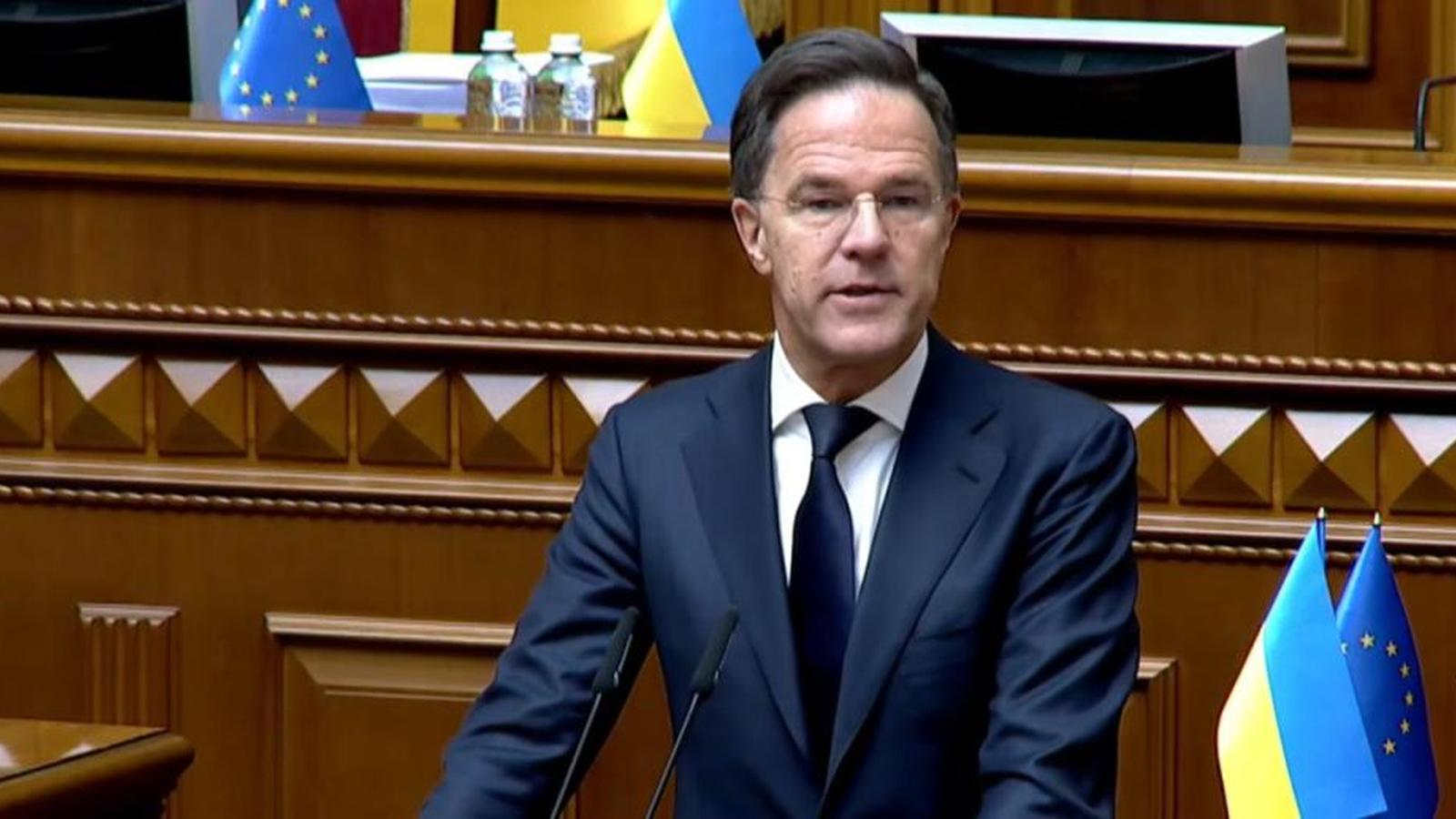
- NATO Secretary General Mark Ryuten is in Kyiv to address the opening of the Verkhovna Rada’s 15th session.
- The visit underscores ongoing NATO engagement with Ukraine amid the war with Russia.
- Observers expect the remarks to touch on security, defense reform, and Ukraine’s Euro-Atlantic integration path.
- The Verkhovna Rada session agenda centers on national security and defense priorities for Ukraine’s alliance ambitions.
NATO Secretary General Mark Ryuten arrived in Kyiv to participate in the opening ceremony of the Verkhovna Rada’s 15th session, a high-profile moment that underscores the ongoing engagement between Ukraine and the North Atlantic Alliance. The visit is being framed as a signal of continued Western attention and political support for Kyiv, at a time when Ukraine is navigating a complex security environment and pursuing deeper ties with Western security structures.
The scene in Kyiv’s parliamentary precincts is one of routine ceremony layered over urgent political and strategic questions. The Verkhovna Rada, Ukraine’s parliament, convenes a new session as Kyiv continues to manage a security crisis precipitated by Russia’s invasion and the broader conflict across the region. In recent years, Kyiv has sought to align more closely with Western security norms, reform its defense institutions, and articulate a long-term trajectory that could lead toward stronger integration with alliance structures. The address by the NATO chief—whether in the form of remarks at the opening ceremony or in discussions with Ukrainian lawmakers—will be read in the context of those aspirations and the alliance’s posture toward Ukraine’s sovereignty and security needs.
The visit also reflects the NATO alliance’s longstanding interest in Ukraine’s security trajectory. While alliance members have repeatedly affirmed Ukraine’s right to defend itself and to pursue security guarantees, formal membership in NATO involves a process that includes reforms, consensus among current members, and a careful assessment of regional security dynamics. The deliberations around Ukraine’s path to Euro-Atlantic integration have been ongoing for years, with successive administrations and alliance partners weighing the timing, conditions, and practical steps required for closer integration. The current moment—marked by the ongoing conflict with Russia—has amplified the emphasis on interoperability, defense modernization, and security assurances that could accompany a potential future relationship with the alliance.
Analysts and observers note that high-level visits to Kyiv by Western security leaders serve multiple purposes. They reinforce political solidarity with Kyiv, signal a united stance on Ukraine’s territorial integrity, and help coordinate international support for security and defense reforms. In practical terms, these visits often bridge diplomatic channels between Kyiv and Western capitals, helping to align Ukraine’s reform efforts with the expectations of NATO members. For Kyiv, such dialogue is part of a broader strategy to bolster deterrence, defense capacity, and resilience in the face of persistent security challenges emanating from the conflict.
The 15th session of the Verkhovna Rada is traditionally a moment of policy signaling, where lawmakers outline priority legislation, budgets, and measures aimed at strengthening national security and governance. While specific agenda items for the session vary from year to year, observers expect continued emphasis on military reform, defense spending oversight, and modernization programs that align with European and transatlantic security standards. In this context, the NATO secretary general’s presence adds a visible international dimension to Kyiv’s domestic debates, reinforcing the message that Ukraine’s security decisions have global attention and implications for regional stability.
Beyond the immediate ceremonial significance, the visit highlights the broader geopolitical context in which Ukraine operates. The alliance’s relationship with Kyiv has evolved considerably since Russia’s invasion and the broad international response to it. While NATO has supplied training, equipment, and political support, the path to deeper integration remains contingent on Ukraine’s ability to meet the alliance’s criteria and to maintain reforms that strengthen democratic governance, civilian oversight of the military, and robust defense capacities. In Kyiv, officials are mindful that international support is a bridge—facilitating reforms today while shaping the contours of a long-term partnership that many in Kyiv hope will culminate in a credible path to Euro-Atlantic security guarantees.
As the visit unfolds, regional security dynamics and international diplomacy will likely converge on a few core themes: solidarity with Ukraine in the face of aggression, ongoing reform and modernization within Ukraine’s defense sector, and the careful navigation of alliance politics regarding a potential future membership. For Kyiv, the message is both practical and symbolic: it affirms that the country is not isolated in its pursuit of security arrangements compatible with Western standards, and it signals to partner nations that Ukraine remains an important interlocutor in European security discussions. For the NATO alliance, the visit reinforces the principle that security in Europe is indivisible and that Ukraine’s fate matters to the alliance’s broader strategic coherence and deterrence posture.
In short, the NATO secretary general’s Kyiv trip, and his participation in the opening of the Verkhovna Rada’s 15th session, is a moment that blends ceremony with policy signaling. It encapsulates the international dimension of Ukraine’s security challenges and the alliance’s ongoing willingness to engage with Kyiv on questions of defense reform, interoperability, and the shared objective of stability in Europe. As events unfold, observers will be watching for the substance of any remarks, the tone of the dialogue with Ukrainian lawmakers, and the way forward in a relationship that has become a central element of Europe’s security architecture in the 2020s.
FINAL ANALYSIS: The visit signals a continuing Western commitment to Kyiv’s security and reform agenda, while acknowledging that concrete steps toward closer integration with the alliance depend on Ukraine’s reform trajectory, regional stability, and a shared assessment of security risks facing Europe in the coming years.