


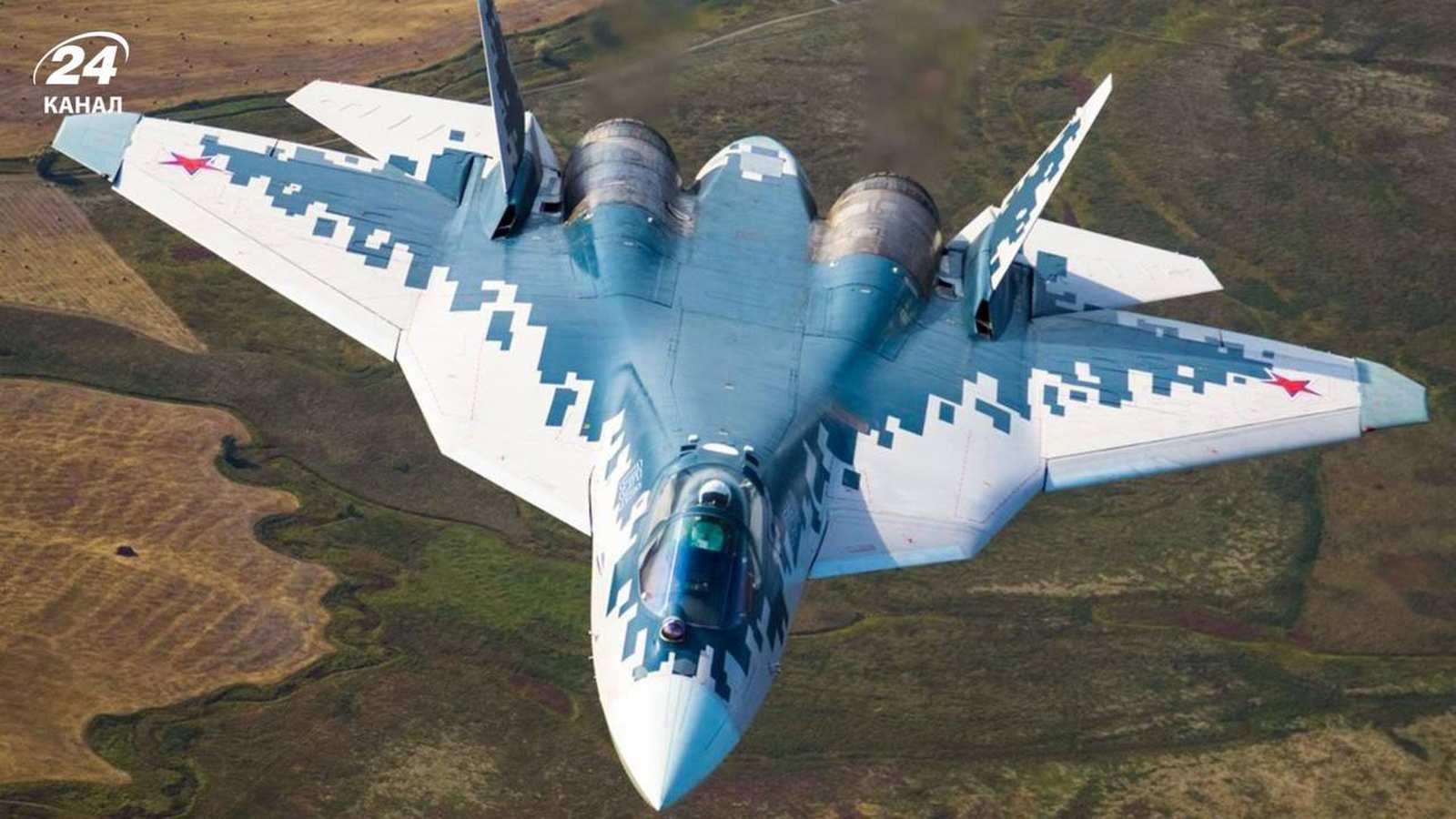
NEW DELHI (Azat TV) – India is reportedly reconsidering its engagement with Russia’s Su-57 fighter jet program, with New Delhi potentially shifting its focus towards collaborative European sixth-generation fighter projects. This potential pivot follows a troubled history with joint Russian defense ventures and a strategic re-evaluation of its long-term aerial combat capabilities.
Shifting Sands in Defense Partnerships
New Delhi is said to be exploring participation in European initiatives like the Tempest program or the Future Combat Air System (FCAS). The reported consideration stems from India’s 2018 experience when it withdrew from a joint development program with Russia. At the time, the aircraft, believed to be the Su-57, reportedly failed to meet India’s stringent requirements, leading to significant disappointment and a reassessment of the partnership’s viability. This past dissatisfaction appears to be a key factor in the current deliberation, according to reports.
Focus on Indigenous and French Capabilities
India’s current defense strategy places significant emphasis on its own indigenous Advanced Medium Combat Aircraft (AMCA) project. Concurrently, the nation has been actively acquiring French Rafale jets, indicating a diversification of its aerial combat fleet. The substantial investment required for sixth-generation fighter development, estimated to range between €12.5 billion and €16.5 billion, makes the economic and technological feasibility of relying on the Su-57 less appealing for India’s strategic objectives.
Implications for Future Air Power
The potential shift by India away from the Su-57 program, if realized, would represent a significant development in global defense collaborations. It underscores a broader trend of nations seeking advanced, cutting-edge technologies and reliable partnerships, particularly in the high-stakes realm of fifth and sixth-generation fighter aircraft. India’s decision could influence future international defense procurement strategies and the trajectory of Russian aerospace exports.
India’s strategic reorientation away from the Su-57 program highlights a pragmatic approach to defense modernization, prioritizing proven collaborative models and indigenous development over past disappointments, signaling a clear intent to secure technological superiority in the evolving geopolitical landscape.