
Quick Read
- North Dakota’s 2026 spring turkey season officially opened on April 11 with 8,490 available tags.
- Biologists report a strong population of mature toms, encouraging hunters to prioritize landowner relations and fire safety.
- State and local authorities are managing public safety following a black bear sighting in urban Fargo, urging residents to avoid contact with the animal.
BISMARCK (Azat TV) – The North Dakota Game and Fish Department is navigating a dual operational focus this spring, as the state transitions into the 2026 turkey hunting season while managing public safety concerns following rare black bear sightings in urban centers.
Upland Game Management and the 2026 Turkey Opener
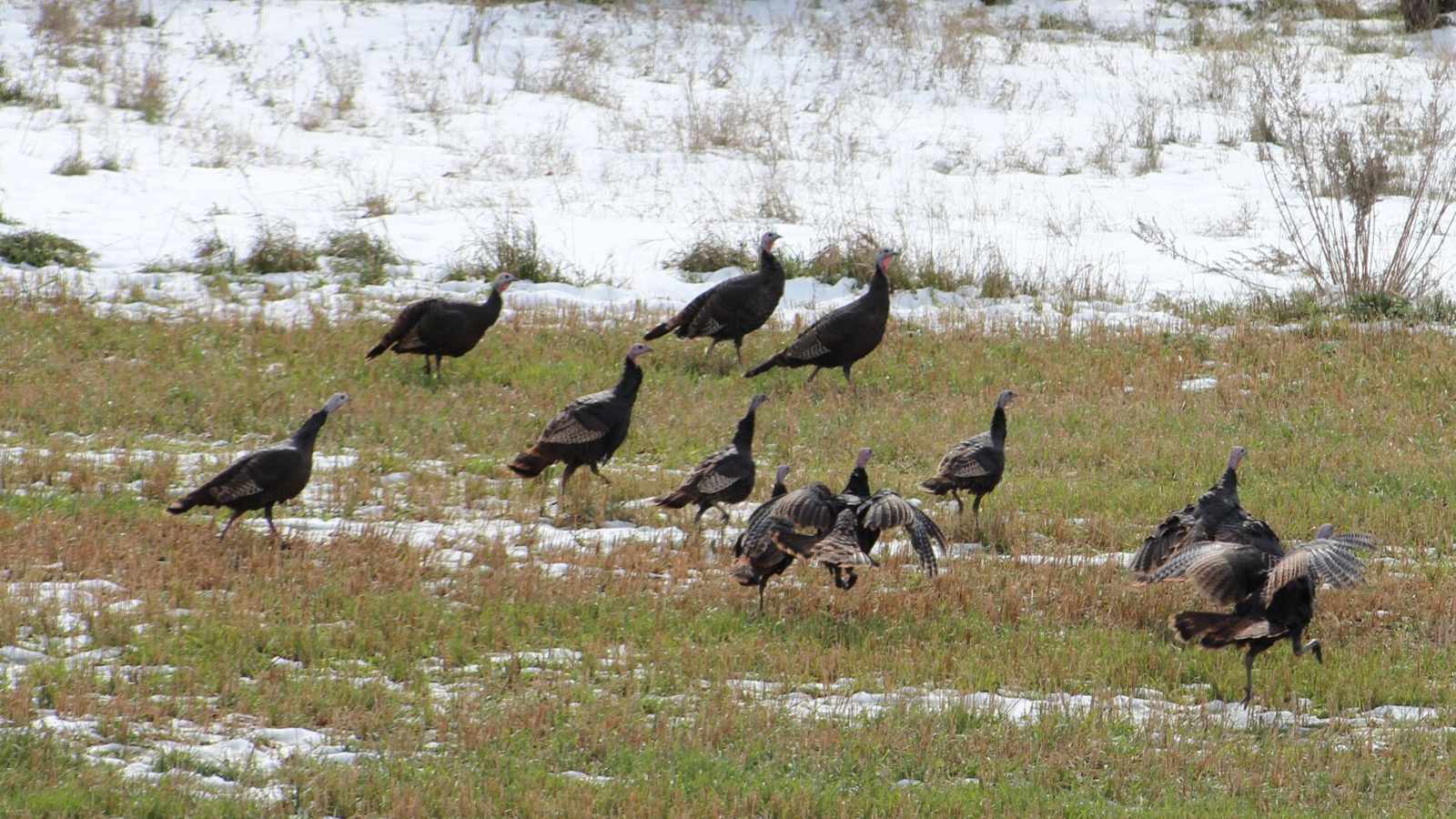
As the spring turkey season commences on April 11, hunters are entering a landscape characterized by high expectations for trophy-class birds. RJ Gross, Upland Game Biologist with the North Dakota Game and Fish Department, noted that the state is experiencing an influx of mature toms, a direct result of high juvenile survival rates over the previous two seasons. Gross emphasized that while habitat conditions remain favorable, particularly in the western breaks and badlands, hunters must maintain a high level of vigilance regarding environmental safety. The department has issued 8,490 tags for this year, an increase from 8,193 in 2025, reflecting a stable population density that supports expanded recreational access.
Humanizing Wildlife Enforcement and Public Compliance
Beyond population metrics, the department is prioritizing a more transparent approach to wildlife enforcement and public interaction. As hunters head into the field, officials are underscoring the importance of ethical conduct on private land and fire safety, given the drying conditions of recent weeks. This educational push is part of a broader effort to humanize the role of field staff and ensure that wildlife management data remains accurate through high levels of public cooperation. Biologists and game wardens are increasingly focusing on these community-based interactions to foster better stewardship of North Dakota’s natural resources.
Managing Urban Wildlife Encounters
While the focus remains on hunting, the department is simultaneously managing shifting wildlife patterns, including the recent report of a black bear in northern Fargo. Local police, in collaboration with North Dakota Game and Fish officials and the Red River Zoo, monitored the animal’s movement from 19th Avenue North to 40th Avenue North. Authorities have requested that residents avoid attempting to track or approach the bear to minimize animal stress and ensure community safety. This incident highlights the evolving challenges of wildlife management in the state, where expanding habitat ranges require constant coordination between municipal law enforcement and state biologists to mitigate human-wildlife conflict.
The simultaneous management of hunting quotas and urban wildlife sightings reflects a critical juncture for the department, where the success of population conservation is increasingly tied to the public’s ability to follow safety guidelines and report animal movements accurately.