
Quick Read
- Activist Nekima Levy Armstrong and St. Paul School Board member Chauntyll Louisa Allen arrested.
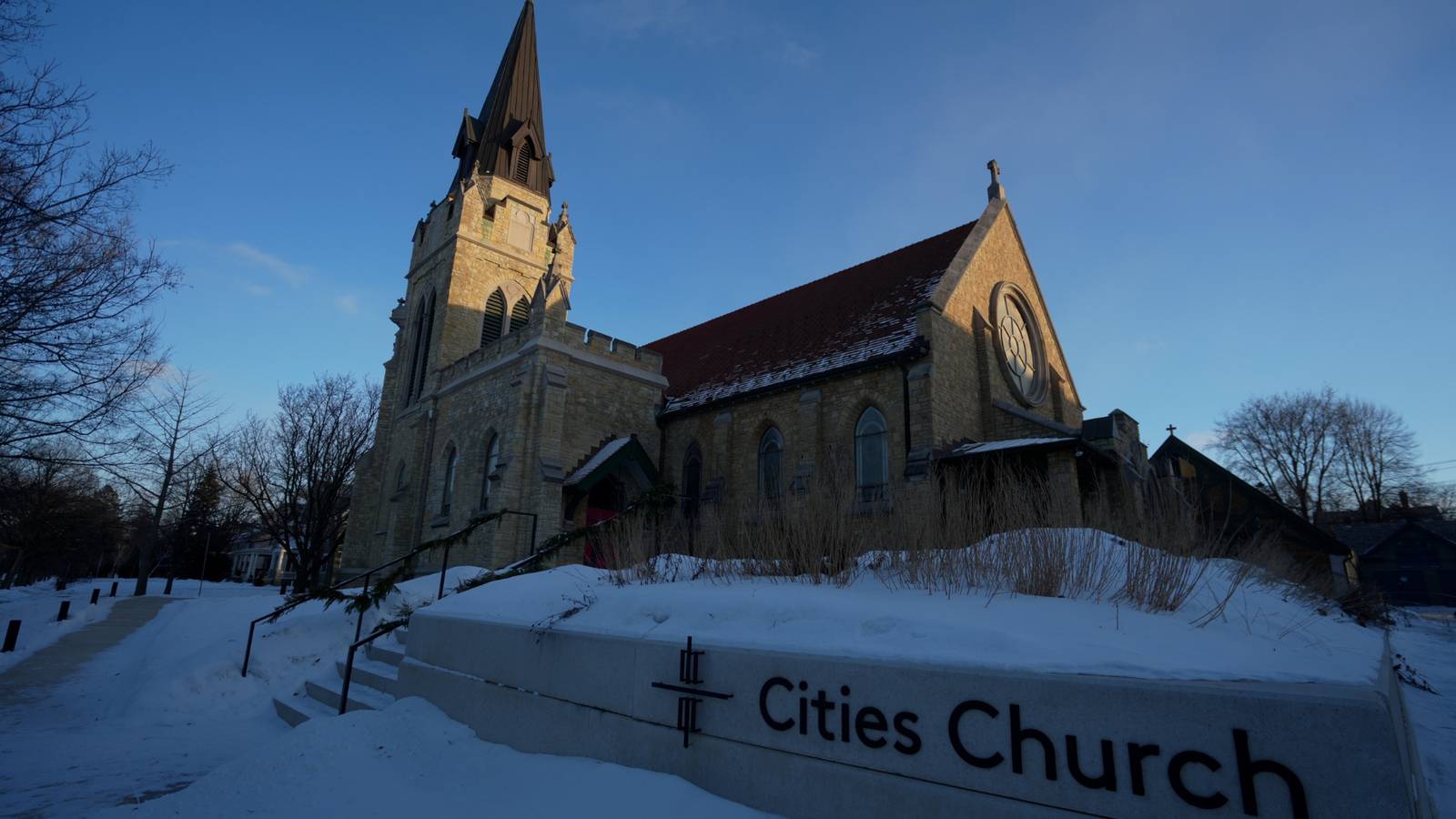
- Arrests followed disruption of services at Cities Church in St. Paul, Minnesota.
- A pastor at Cities Church, David Easterwood, is also an ICE field office director.
- The protest chanted “ICE out” and “Justice for Renee Good,” referring to a recent fatal ICE shooting.
- Attorney General Pam Bondi called the protest a “coordinated attack” and announced a federal civil rights investigation.
Prominent Twin Cities activist and former NAACP chapter president Nekima Levy Armstrong has been arrested in connection with the disruption of services at Cities Church in St. Paul, Minnesota, where a U.S. Immigration and Customs Enforcement (ICE) official serves as a pastor. The arrest, announced by Attorney General Pam Bondi, occurred amid a federal civil rights investigation into the Sunday incident and follows weeks of heightened tensions over ICE operations in Minnesota, including the fatal shooting of U.S. citizen Renee Good by an ICE agent earlier this month.
Alongside Levy Armstrong, St. Paul School Board member Chauntyll Louisa Allen was also arrested. Bondi stated that more arrests could follow, labeling Sunday’s protest a “coordinated attack” on the church. The Justice Department had previously indicated it was investigating potential federal civil rights violations, with Assistant Attorney General Harmeet Dhillon speaking of “desecrating a house of worship and interfering with Christian worshippers.”
The Incident at Cities Church
The incident unfolded last Sunday when a group of protesters entered Cities Church during its service, chanting phrases like “ICE out” and “Justice for Renee Good.” Videos from the scene showed dozens of demonstrators marching through the building, disrupting the worship. One of Cities Church’s pastors, David Easterwood, also serves as the acting director of the ICE St. Paul field office, a fact that appears to have been the primary catalyst for the protest.
The Minnesota-Wisconsin Baptist Convention described the disruption as “an unacceptable trauma,” reporting that the service was “forced to end prematurely” as protesters shouted “insults and accusations at youth, children, and families.” The demonstration is one of several that have emerged across the Twin Cities metro area and Greater Minnesota following the shooting of Renee Good in south Minneapolis, an event that has fueled community outrage and calls for accountability.
Legal Ramifications and Activist Profiles
The federal case against the protesters is expected to focus on the application of the Freedom of Access to Clinic Entrances (FACE) Act. Signed into law in 1994, the FACE Act prohibits the use of force, threats, or physical obstruction to prevent individuals from exercising their First Amendment right to religious freedom, including at churches. While initially established to protect access to abortion clinics, its provisions extend to safeguarding religious worship from interference.
Nekima Levy Armstrong is a well-known figure in Minnesota activism, having previously served as president of the Twin Cities chapter of the NAACP and running for mayor of Minneapolis in 2017. She is also an ordained pastor. On Facebook, she framed Sunday’s protest in religious terms, writing: “It’s time for judgment to begin and it will begin in the House of God!!!” Chauntyll Louisa Allen, another prominent local activist, played an instrumental role in establishing the Black Lives Matter Twin Cities chapter and is an elected member of the St. Paul School Board.
Divided Reactions from Faith Leaders and Officials
The protest and subsequent arrests have ignited a fierce debate, particularly within religious communities. Miles Mullin, vice president of the Ethics and Religious Liberty Commission of the Southern Baptist Convention, condemned the disruption, stating that ‘For Baptists, our worship services are sacred’ and that such actions ‘just shouldn’t happen in America.’ Albert Mohler, president of The Southern Baptist Theological Seminary, echoed this sentiment, calling the protesters’ tactics ‘unjustifiable’ and suggesting that ‘the political left is crossing a threshold’ by invading a congregation at worship.
However, not all faith leaders share this view. Brian Kaylor, a Cooperative Baptist Fellowship-affiliated minister and leader of the Christian media organization Word&Way, called the fact that an ICE official serves as a pastor “a serious moral failure.” While acknowledging he was “very torn” by the protesters’ actions inside a church, Kaylor, who has been critical of the Trump administration’s immigration policies, expressed concern that such tactics could become widespread. Minnesota Governor Tim Walz’s spokesperson affirmed the right to speak out but noted that the governor does not support interrupting a place of worship.
ICE Operations and Shifting Policies
The backdrop to this incident is a contentious period for immigration enforcement in Minnesota and nationwide. The recent surge in ICE operations has pitted federal agents against community activists and protesters. David Easterwood, in a Jan. 5 court filing, defended ICE’s tactics, including swapping license plates and using chemical irritants on protesters. He argued that federal agents were facing ‘increased threats and aggression’ and that crowd control devices like flash-bang grenades were necessary for protection against ‘violent attacks.’
The current tensions are also influenced by a policy change announced by the government last January, which ended the long-standing protection of people in ‘sensitive spaces’ such as churches, schools, and hospitals from federal immigration arrests. This reversal has dismayed many faith leaders, leading some churches to post notices on their doors prohibiting federal immigration officers, while others have reported a drop in attendance, particularly during enforcement surges.
Broader Societal Divides
The incident at Cities Church underscores the profound divisions within American society regarding immigration enforcement. Christians, in particular, are deeply split on the moral and legal dilemmas posed by the presence of an estimated 11 million undocumented individuals and the increase in border crossings and asylum requests. Opinions vary widely, even within denominations, on whether the priority should be the care for strangers and neighbors or the enforcement of immigration laws in the name of national security. White evangelicals generally favor strong enforcement, while Catholic leaders often advocate for migrant rights.
The clash in St. Paul, therefore, is more than just a protest; it is a microcosm of a larger societal struggle, highlighting the complex interplay between civil disobedience, religious freedom, and government authority. The presence of an ICE official as a pastor in a house of worship, coupled with the tragic shooting of Renee Good, created a flashpoint where these tensions converged, forcing a public reckoning with the boundaries of activism and the moral responsibilities of institutions.
The confrontation at Cities Church illustrates the escalating tensions at the intersection of immigration enforcement, civil rights activism, and religious sanctuary, forcing a public reckoning with the moral responsibilities of faith leaders and the boundaries of protest in sacred spaces.