
Quick Read
- Nepal’s PM Khadga Prasad Oli resigned following protests against a social media ban.
- The protests, led by Sudan Gurung’s Hami Nepal, resulted in 19 deaths and 300 injuries.
- The ban on 26 social media platforms sparked outrage over corruption and unemployment.
On September 9, 2025, Nepal’s Prime Minister Khadga Prasad Oli announced his resignation following days of escalating protests that culminated in the tragic deaths of 19 people. The unrest, sparked by a controversial government ban on social media platforms, has thrown the country into political turmoil and exposed deeper societal grievances, including corruption and widespread unemployment.
Protests Erupt Over Social Media Ban
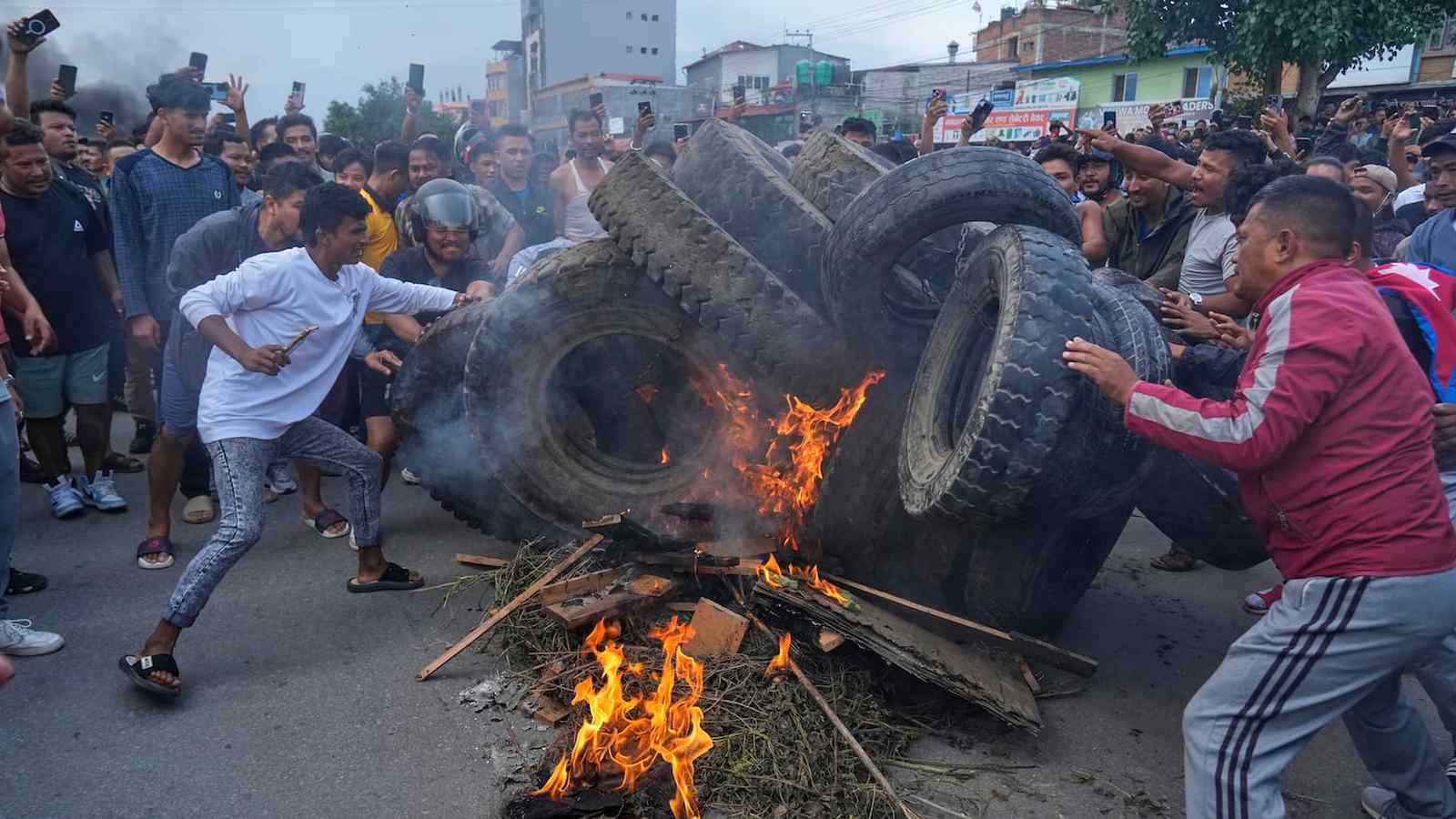
The protests began in Kathmandu and quickly spread across the country after the government implemented a ban on 26 popular social media platforms. The decision, which was ostensibly justified on grounds of national security, drew widespread criticism for curbing free speech. According to The Boston Globe, the ban was lifted early on September 9, but not before it had ignited a wave of public outrage.
Thousands of demonstrators, many of them students and young professionals, took to the streets. The protests turned violent when police opened fire on crowds, resulting in 19 deaths and over 300 injuries. The violence reached its peak on September 8, when demonstrators set fire to the homes of several high-ranking politicians, underscoring the intensity of public anger.
The Role of Sudan Gurung and Hami Nepal
At the forefront of the protests was Sudan Gurung, a 38-year-old activist and founder of the non-governmental organization Hami Nepal. Gurung, who rose to prominence during Nepal’s 2015 earthquake relief efforts, played a pivotal role in organizing the demonstrations. According to The Annapurna Express, his organization utilized encrypted communication tools to coordinate protests despite the social media blackout.
Hami Nepal had initially called for peaceful demonstrations, urging students to show up in their school uniforms as a symbolic gesture. However, the protests quickly escalated into violence. Gurung’s ability to mobilize Nepal’s Gen Z population highlighted the deep frustrations of the younger generation, who face high levels of unemployment and perceive the government as corrupt and ineffective.
Gurung’s activism dates back years, with notable campaigns such as the Ghopa Camp protest in Dharan, which sought transparency in healthcare services. His efforts during the COVID-19 pandemic and other crises have earned him widespread respect, making him a prominent figure in Nepal’s civil society.
A Resignation Amid Mounting Pressure
Facing mounting pressure from the public and opposition parties, Prime Minister Oli announced his resignation in a televised address. The decision marked the end of a tumultuous tenure characterized by allegations of corruption and authoritarian governance. According to Business Standard, Oli’s resignation was seen as a necessary step to restore order and address the grievances fueling the protests.
Political analysts suggest that the government’s mishandling of the social media ban was the final straw in a series of missteps that eroded public trust. The ban not only restricted free speech but also disrupted businesses and educational institutions, further aggravating the economic challenges faced by the country.
What Lies Ahead for Nepal?
Oli’s resignation opens the door for a new political chapter in Nepal, but significant challenges remain. The immediate priority for the interim government will be to address the demands of the protesters, including greater transparency and accountability in governance.
Experts believe that the protests have highlighted a generational divide in Nepal, with younger citizens demanding more inclusive and progressive policies. The role of activists like Sudan Gurung and organizations like Hami Nepal will likely continue to shape the country’s political landscape in the coming years.
As Nepal navigates this critical juncture, the need for dialogue and reform has never been more urgent. The protests serve as a stark reminder of the power of collective action and the importance of addressing the root causes of public discontent.