
Quick Read
- Reports indicate Benjamin Netanyahu pressured the US into the Iran war to prevent a diplomatic resolution.
- Viral rumors about Netanyahu’s death or injury have been debunked by official sources and fact-checkers.
- Divergent war aims between Israel and the US are straining the bilateral military partnership.
WASHINGTON (Azat TV) – Mounting evidence indicates that Israeli Prime Minister Benjamin Netanyahu played a decisive role in maneuvering the United States into its current military engagement with Iran. Reports from outlets including The Washington Post suggest that Netanyahu, fearing a diplomatic resolution between Washington and Tehran, repeatedly pressured President Donald Trump by threatening unilateral Israeli strikes. This strategy effectively forced the administration to preemptively join the conflict, a move that critics argue undermines American national security interests.
Netanyahu’s Strategic Pressure on the Trump Administration
Multiple accounts, including reporting from The New York Times, reveal that Netanyahu utilized the prospect of an Israeli-led war as a leverage point. By convincing President Trump that an Israeli attack was inevitable, Netanyahu ensured the United States would commit to a military course that many in the administration initially sought to avoid. This dynamic has drawn sharp criticism from political analysts who warn that the reliance on US military aid allows Israel to dictate foreign policy outcomes that do not align with American strategic goals, such as regional stability or the preservation of critical munitions stocks.
Viral Misinformation and Public Skepticism
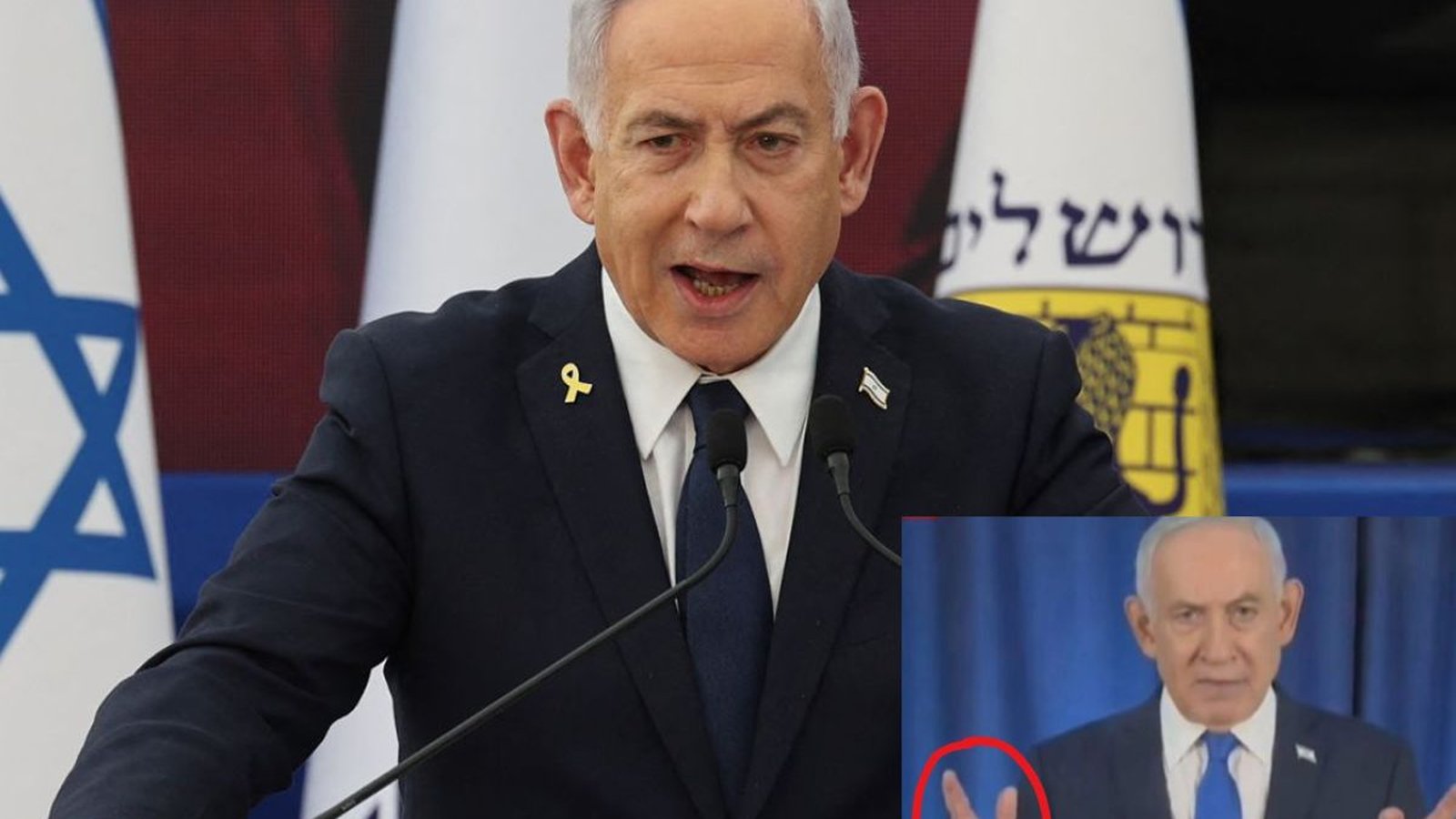
The escalation of the war has coincided with a surge in digital misinformation, specifically targeting the Israeli Prime Minister. Amid the chaos of the conflict, social media platforms have seen the spread of fabricated reports regarding Netanyahu’s whereabouts and health, including debunked claims involving AI-generated video footage. Prominent commentators, such as Candace Owens, have amplified public distrust by questioning the transparency of Washington regarding the conflict’s origins and the visibility of key foreign leaders. Fact-checkers have confirmed that these claims are baseless, noting that Netanyahu remains active in official communications and military oversight.
The Stakes of Continued Military Alignment
The core of the current debate involves the sustainability of US military support for Israel. Observers note that while previous administrations successfully resisted similar pressure campaigns, the current administration’s decision to engage has resulted in significant geopolitical and economic costs. With officials expressing frustration over Israel’s divergent war aims—including the destruction of Iranian fuel infrastructure that the US hoped to preserve—the partnership faces an unprecedented period of strain. The central question remains whether President Trump can navigate a path toward de-escalation while managing a relationship that critics increasingly view as a liability to US national security.
The confluence of reports regarding Netanyahu’s influence suggests that the US-Israel military partnership is currently serving as an entrenchment mechanism for a conflict that lacks a clear, mutually beneficial endgame, forcing a necessary reevaluation of how foreign influence shapes American domestic political and military decision-making.