
Newark Airport Radar Outage Sparks Concerns
Newark Liberty International Airport experienced another radar outage on Friday morning, marking the second such incident in two weeks. The Federal Aviation Administration (FAA) confirmed that the telecommunications outage lasted approximately 90 seconds, disrupting radar displays and communications at the Philadelphia Terminal Radar Approach Control (TRACON), which manages Newark’s airspace. The outage occurred at 3:55 a.m. ET and has reignited concerns about the aging infrastructure of the U.S. air traffic control system.
Details of the Incident
According to the FAA, the outage temporarily blacked out radar scopes and communication channels at the Philadelphia TRACON Area C. This facility oversees flights approaching and departing Newark Liberty International Airport. Audio recordings from LiveATC.net captured an air traffic controller informing a FedEx pilot, “Our scopes just went black again,” as the outage unfolded. The FedEx flight was subsequently redirected to another frequency.
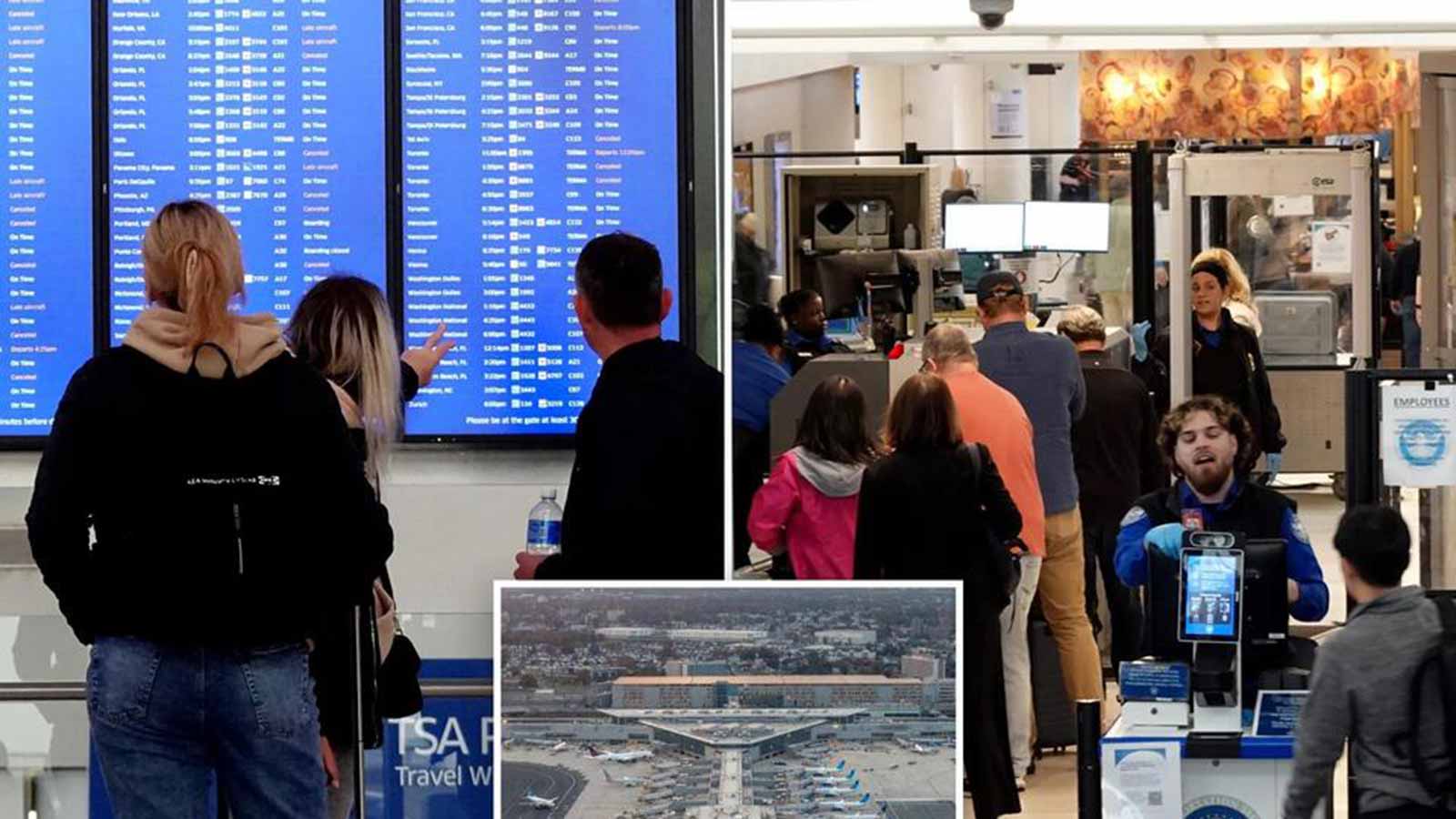
Flight tracking site FlightAware reported nearly 300 delays and 135 cancellations at Newark on Friday, further compounding the operational challenges faced by the airport. Staffing shortages, bad weather, and ongoing runway construction have exacerbated the situation, leading to significant disruptions for travelers.
Recurring Issues Highlight Aging Infrastructure
This latest outage is part of a series of technical problems plaguing the FAA’s air traffic control network. A similar incident on April 28 left controllers unable to communicate with or track aircraft for up to 90 seconds. That outage resulted in over a thousand flight delays and cancellations, with at least five air traffic controllers taking trauma leave afterward.
United Airlines, the largest carrier at Newark, has been particularly vocal about the impact of these issues. In a recent op-ed, United CEO Scott Kirby criticized the FAA for decades of underinvestment in technology and staffing. “Decades of failing to properly invest in the system has prevented good-faith efforts to make technology upgrades and bolster the staffing of our nation’s hard-working air traffic controllers,” Kirby wrote.
FAA’s Response and Proposed Solutions
In response to the ongoing challenges, the FAA has announced several immediate measures to mitigate disruptions. These include increasing air traffic controller staffing, adding three high-bandwidth telecommunications connections, and deploying a temporary backup system at the Philadelphia TRACON. The agency is also transitioning to a more reliable fiber-optic network to reduce the likelihood of future outages.
Transportation Secretary Sean Duffy has proposed a multi-billion-dollar overhaul of the nation’s air traffic control system. Speaking to CNN, Duffy acknowledged the systemic issues, stating, “What we’re seeing through the system is, you know, hundreds of times a week, blips in connectivity, which is a sign that you’re seeing issues with your telecom.” He emphasized the need for urgent investment to modernize the infrastructure over the next three to four years.
Impact on Travelers and Airlines
The recurring outages and operational challenges have had a significant impact on travelers and airlines operating at Newark. United Airlines has sharply reduced its flights at the airport and is calling for the FAA to impose new limitations on Newark flights to alleviate delays. The airline has also urged passengers to pressure the FAA for faster resolution of these issues.
Meanwhile, lawmakers have joined the chorus of voices demanding accountability and increased funding for the FAA. The Department of Transportation’s recent announcement of a comprehensive overhaul plan has been welcomed as a step in the right direction, but many stakeholders remain skeptical about the timeline and implementation.
As one of the busiest airports in the United States, Newark Liberty International Airport plays a critical role in the nation’s air travel network. The recent outages underscore the urgent need for systemic improvements to ensure the safety and efficiency of air traffic operations. While the FAA’s proposed measures and funding plans offer hope, the path to modernization will require sustained effort and collaboration among government agencies, airlines, and other stakeholders.
Source: Reuters, CNN, LiveATC.net, FlightAware