


LONDON (Azat TV) – Actor and singer Jamie Foxx has ignited significant controversy after publicly questioning the involuntary nature of a racial slur uttered by Tourette’s syndrome campaigner John Davidson during Sunday evening’s BAFTA Awards in London. Foxx’s assertion that Davidson ‘meant that s**t’ has drawn widespread condemnation from social media users and Tourette’s awareness advocates, sparking a heated debate over public perception of neurological conditions.
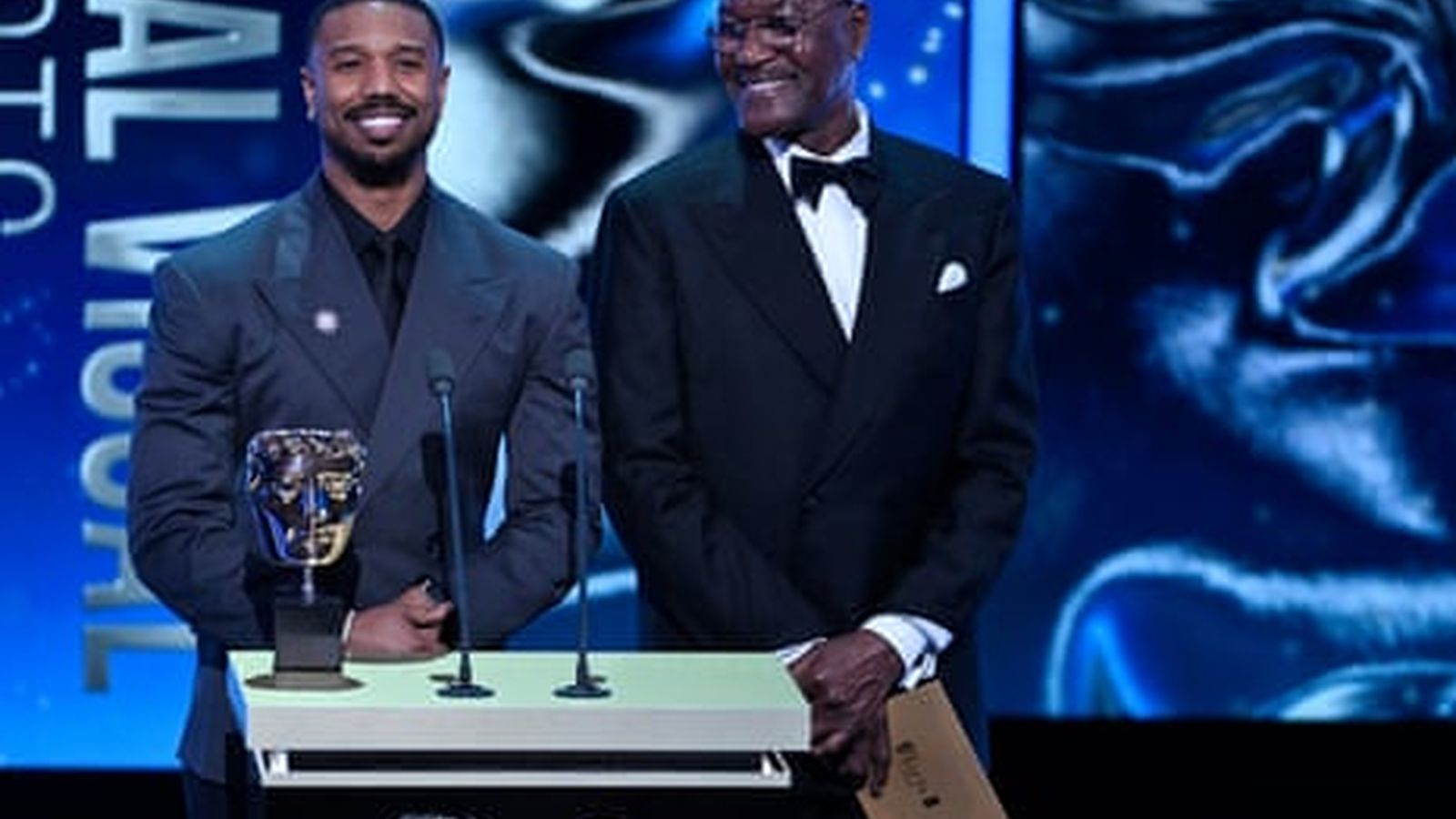
The incident occurred at the Royal Festival Hall when John Davidson, whose life story inspired the BAFTA-nominated film I Swear, experienced multiple vocal tics, including expletives and a racial slur, audible during the ceremony. The most notable outburst happened as actors Michael B. Jordan and Delroy Lindo were presenting the visual effects prize for Avatar: Fire and Ash. BAFTA host Alan Cumming paused the proceedings to explain that Davidson’s tics were involuntary due to Tourette’s syndrome, a neurological disorder characterized by sudden, unwanted, and uncontrolled movements or vocal sounds.
Jamie Foxx’s Controversial Stance on BAFTA Incident
Despite the host’s explanation and a subsequent apology from the BBC, Jamie Foxx took to Instagram to express his skepticism. Reacting to a clip of the moment, Foxx questioned, ‘Out of all the words, you could’ve said Torette’s makes you say that?’ In a series of follow-up comments, he called the outburst ‘unacceptable’ and stated, ‘Nah he meant that s**t.’ This stance resonated with some, including fellow musician Yung Joc, who commented in agreement.
However, Foxx’s remarks quickly triggered a strong backlash. Numerous social media users on X (formerly Twitter) condemned the actor’s comments, accusing him of spreading ‘conspiracies’ and demonstrating a lack of understanding of Tourette’s syndrome. One user stated, ”He meant that s**t’, Jamie Foxx has no understanding on tourettes and is causing a dangerous path. I expected a lot better from him.’ Another expressed concern that such reactions could lead people with Tourette’s to ‘turn to self harm.’ Production designer Hannah Beachler, associated with the film Sinners, also criticized BAFTA’s ‘throwaway apology’ for the incident, describing it as making the situation worse.
Public Outcry and Tourette’s Awareness
The controversy has highlighted the ongoing challenges faced by individuals with Tourette’s syndrome, particularly those who experience coprolalia, a symptom characterized by involuntary swearing or uttering socially inappropriate words. Medical experts explain that tics are involuntary, meaning individuals have no control over their vocalizations. Approximately 10-20% of people with Tourette’s are affected by coprolalia, making the public’s understanding crucial.
John Davidson, a prominent campaigner for Tourette’s awareness, first gained public attention through the 1989 BBC documentary John’s Not Mad. He received an MBE in 2018 for his decades of work. His biographical film, I Swear, garnered five BAFTA nominations, with its lead Robert Aramayo winning Best Actor on the night. Davidson reportedly left the ceremony voluntarily after the initial incidents, with sources confirming he was an invited guest and not asked to depart.
The BAFTA Ceremony and Official Apologies
Throughout the evening, Mr. Davidson’s vocal tics were audible during various segments, including BAFTA chair Sara Putt’s opening address and during award presentations. Host Alan Cumming provided a fuller explanation to viewers, stating, ‘Tourette’s Syndrome is a disability, and the tics you’ve heard tonight are involuntary, which means the person who has Tourette’s Syndrome has no control over their language. We apologise if you are offended tonight.’ The BBC later issued its own apology on Monday, acknowledging the ‘strong and offensive language’ heard and clarifying that it ‘arose from involuntary verbal tics associated with Tourette syndrome, and was not intentional.’
The swift and widespread criticism of Jamie Foxx’s comments underscores the persistent misunderstanding surrounding Tourette’s syndrome, particularly the involuntary nature of coprolalia, and highlights the immediate impact celebrity remarks can have on public discourse regarding disabilities.