
Quick Read
- Seoul court ruled NewJeans must honor exclusive contract with ADOR until 2029.
- Members cited broken trust and alleged mistreatment but the court found no legal grounds for termination.
- Attempts to rebrand and work independently were blocked by court order.
- Any breach of the contract by members may result in multi-million dollar penalties.
- NewJeans plans to appeal the ruling.
Court Rules Against NewJeans, Validates ADOR Contract Until 2029
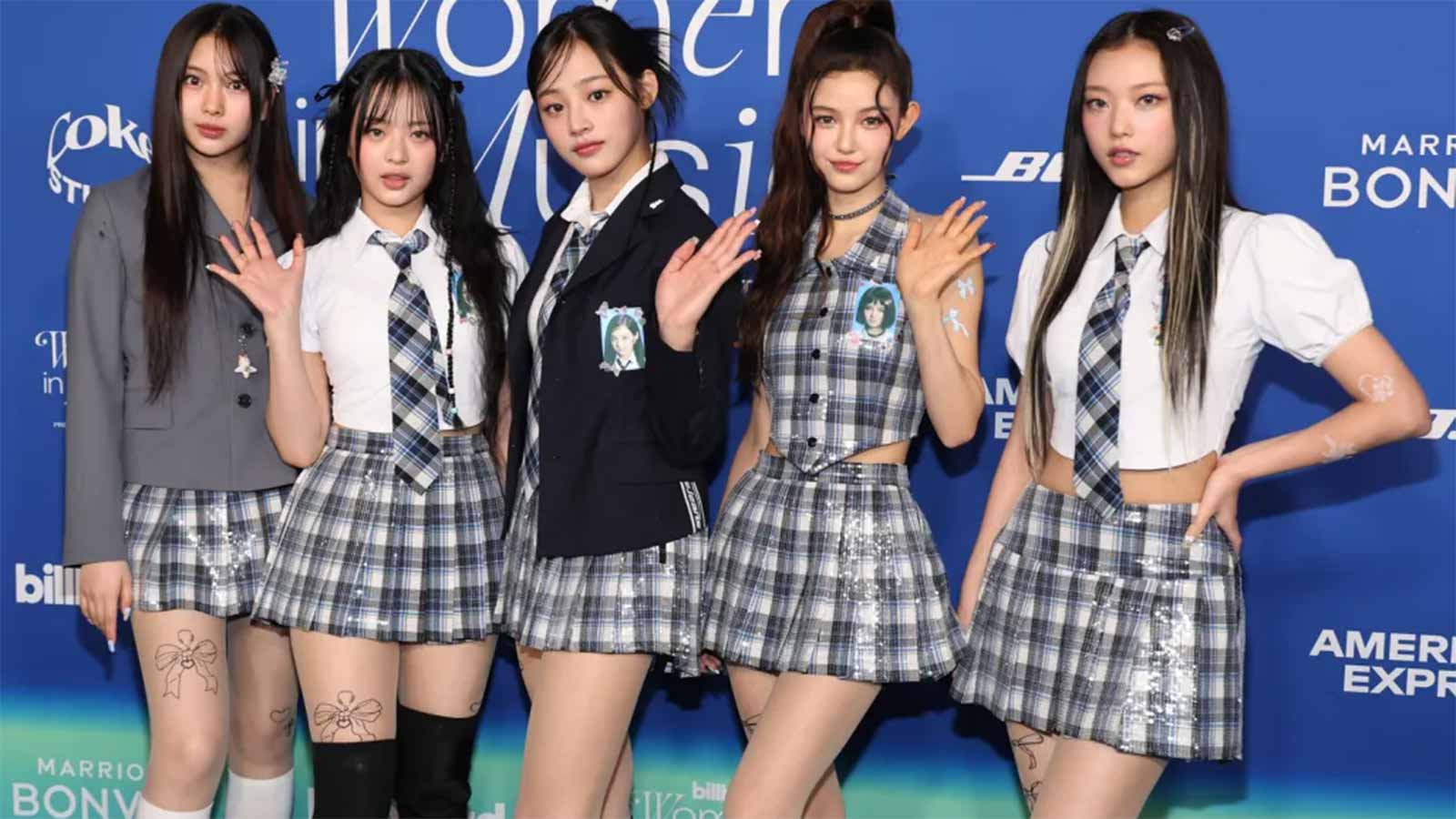
In a pivotal moment for K-pop, the Seoul Central District Court has ruled that NewJeans must honor their exclusive contract with entertainment agency ADOR until 2029, rejecting the group’s arguments for termination due to alleged breaches and a collapse of trust. The decision, delivered on October 30, 2025, marks a significant setback for the five-member girl group, who had sought to sever ties and pursue independent activities under the name ‘NJZ’.
According to Chosun, the ruling comes after months of public dispute and legal wrangling, with NewJeans alleging mistreatment and manipulation by ADOR. The members—Minji, Hanni, Danielle, Haerin, and Hyein—asserted that their relationship with the agency had deteriorated beyond repair, especially following the dismissal of their mentor and former CEO, Min Hee-jin. The court, however, found no legal basis for contract termination, stating, “It is difficult to recognize that ADOR violated the obligations stipulated as grounds for contract termination. The exclusive contract signed on April 21, 2022, is confirmed to be valid.”
Trust Breakdown and Leadership Changes: The Heart of the Dispute
The roots of the conflict trace back to the ousting of Min Hee-jin in August 2024, amid tensions between her and ADOR’s parent company, HYBE. NewJeans demanded Min’s reinstatement, claiming her removal undermined their creative process and management support. When HYBE refused, the group publicly accused ADOR of deliberate career sabotage and cited episodes of workplace harassment, as reported by BBC.
Despite these allegations, the court ruled that Min’s dismissal did not “create a void in the group’s album production planning or entertainment activities.” The contract, the court noted, does not mandate that Min Hee-jin personally lead ADOR, and the agency continued to provide opportunities for album releases, fan meetings, and world tour planning even amid the dispute. In the eyes of the judiciary, ADOR fulfilled its management obligations, negating claims of a breakdown severe enough to justify contract termination.
Legal Implications and Restrictions on Independent Activities
After NewJeans attempted to rebrand as ‘NJZ’ and perform independently—including a notable show in Hong Kong—the agency filed suit to confirm the validity of their contract and block further independent activities. The court sided with ADOR, issuing an injunction prohibiting the members from engaging in solo or group activities outside the agency’s approval. Notably, any violation would result in severe financial penalties: each member would owe 10 billion won (about $7 million) per infraction, as detailed by Korea JoongAng Daily.
All objections and appeals by NewJeans were dismissed in the preliminary stages. The court emphasized that “the relationship between ADOR and NewJeans has not deteriorated to the extent that the contract cannot be maintained, and thus the termination of the exclusive contract cannot be justified.” The ruling further clarified that ADOR’s continued efforts to support the group—despite resistance—demonstrated the agency’s capacity and willingness to manage its artists.
Industry Reactions and the Path Forward
The legal battle has drawn widespread attention in South Korea and internationally, highlighting the power dynamics between K-pop agencies and their artists. As Korea Times notes, it is rare for idol groups to challenge their labels so publicly, given the industry’s reputation for strict control and long-term contracts. NewJeans’ struggle has sparked debate over artist autonomy, management accountability, and the psychological toll of high-stakes entertainment careers.
In a statement through their legal representatives at Law Firm Sejong, the members expressed respect for the court’s decision but insisted that returning to ADOR was “impossible under the current circumstances, where trust between the parties has completely broken down.” They announced plans to immediately appeal the ruling, hoping the appellate court will “comprehensively review the facts and legal principles regarding the termination of the exclusive contract and deliver a wise judgment.” The lawyers also thanked fans for their patience and support during the protracted dispute.
The court’s decision effectively ties NewJeans to ADOR for the next four years, barring any successful appeal or renegotiation. While the group’s future activities remain in limbo, the outcome sends a clear message to both artists and agencies: contracts in the K-pop world carry significant legal weight, and breaking free requires more than allegations of lost trust.
What’s Next for NewJeans and the K-pop Industry?
The appellate process is expected to unfold over several months, with legal experts predicting a thorough review of management practices, contractual obligations, and the nature of the disputes. Meanwhile, fans and industry insiders are watching closely, wondering whether the case will prompt broader reforms or reinforce the status quo.
For NewJeans, the ruling is a moment of reckoning—a test of resilience and unity in the face of adversity. For ADOR and HYBE, it is a validation of their contractual authority, but also a reminder of the importance of maintaining trust and communication with artists. As the K-pop landscape evolves, the case serves as a cautionary tale about the delicate balance between creative freedom and corporate control.
The court’s decision in the NewJeans case underscores the enduring power of contracts in the entertainment industry, while exposing the emotional and professional strains that arise when trust collapses between artists and their agencies. As the appeal moves forward, the outcome will likely shape not only NewJeans’ trajectory, but also the future relationship between K-pop idols and the companies that manage them.