
The 2025 Conclave: A Historic Event
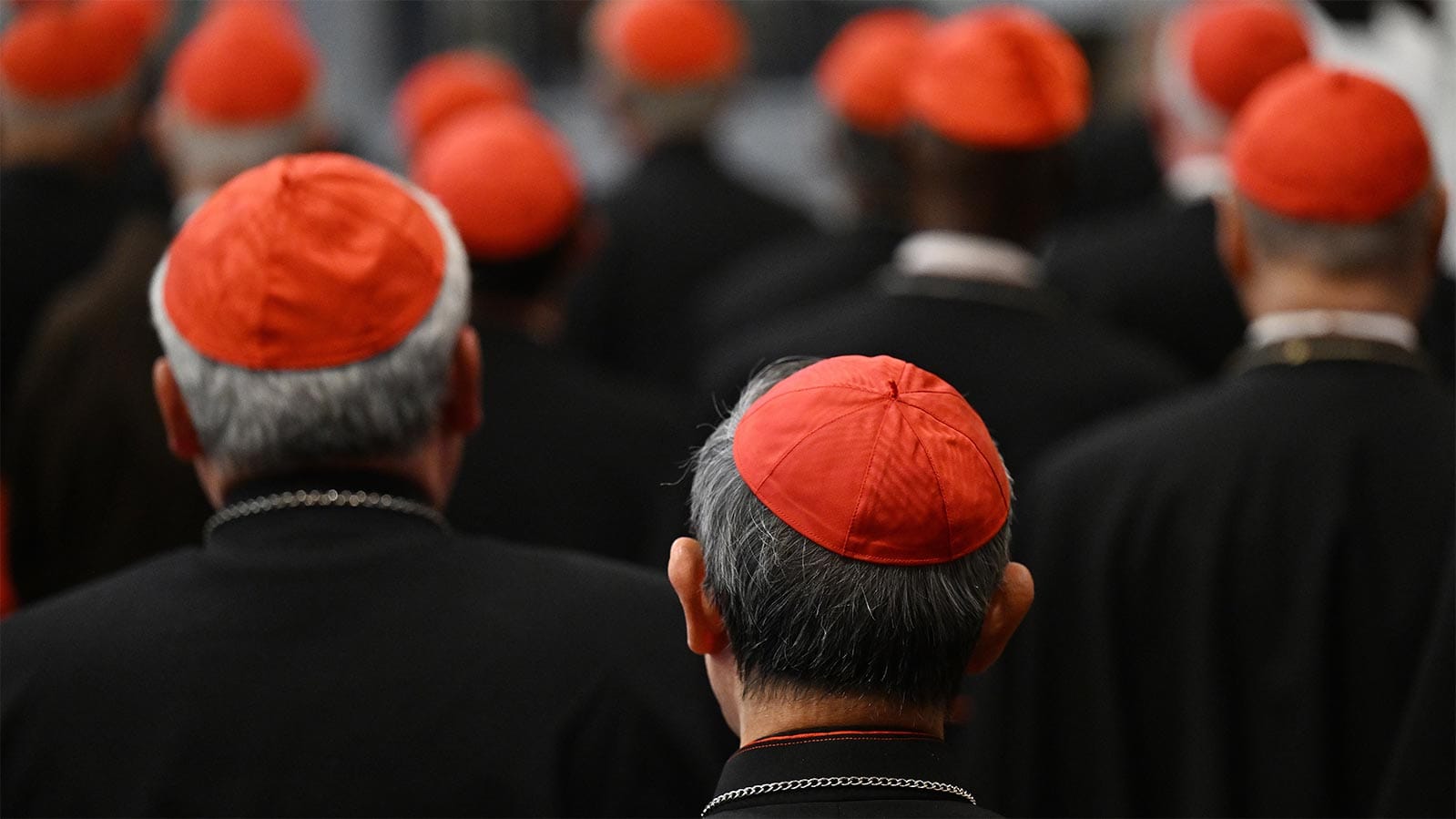
The Conclave to elect the 267th Pope is set to begin on May 7, 2025, following the conclusion of the Novemdiales Masses, a nine-day period of mourning for the late Pope Francis. This event, steeped in centuries-old tradition, will take place in the Sistine Chapel, where 133 Cardinal electors will gather to choose the next leader of the Catholic Church. The process underscores the global importance of the papacy and the evolving nature of the Church under Pope Francis’ influence.
A Globalized College of Cardinals
The College of Cardinals participating in the Conclave is notably diverse, reflecting Pope Francis’ efforts to decentralize the Church’s leadership. Of the 135 eligible electors, two have confirmed they will not attend due to health reasons, leaving 133 Cardinals to cast their votes. These electors hail from 71 countries across five continents, showcasing a less Euro-centric and more international representation compared to past Conclaves.
According to Vatican sources, over three-quarters of the electors (108) were appointed by Pope Francis during his 12-year pontificate. This shift aligns with his vision of focusing on the “peripheries” of the Church and giving a voice to regions historically underrepresented in Vatican leadership. For the first time, nations such as Haiti, Cape Verde, and Papua New Guinea will have native Cardinal electors participating in the Conclave. (Source: Vatican News)
Regional Representation and Its Implications
While Europe remains the most represented region with 53 electors, its dominance has waned. Italy leads with 19 Cardinals, followed by France with six and Spain with five. The Americas collectively account for 37 electors, including 16 from North America, four from Central America, and 17 from South America. Asia contributes 23 electors, Africa 18, and Oceania four. This broader geographical spread highlights the Church’s global reach and the growing influence of regions outside Europe. (Source: Associated Press)
However, regional representation alone does not determine the outcome of the papal election. Factors such as theological leanings, personal relationships, and shared visions for the Church’s future play critical roles. As British Cardinal Vincent Nichols emphasized, “The role of the pope is to essentially hold us together, and that’s the grace we’ve been given from God.” (Source: Associated Press)
The Voting Process
The Conclave will begin with a solemn Eucharistic celebration, followed by the Cardinal electors’ procession into the Sistine Chapel. Once inside, they will take an oath of secrecy and commit to acting solely for the good of the Universal Church. The voting process requires a two-thirds majority to elect a new Pope. If no candidate secures the necessary votes after three days, the electors may take a brief pause for prayer and discussion before resuming the ballots. (Source: Universi Dominici Gregis)
Ballots are burned after each round of voting, with black smoke signaling an inconclusive vote and white smoke announcing the election of a new Pope. This tradition, dating back centuries, remains a powerful symbol of the Church’s unity and continuity.
Key Figures and Potential Candidates
While the secrecy of the Conclave prevents any definitive predictions, several Cardinals are considered potential candidates. Italian Cardinal Matteo Zuppi, known for his pastoral approach, and African Cardinal Peter Turkson, a prominent advocate for social justice, have been mentioned as possible successors. However, the diversity of the College of Cardinals and the varying priorities of its members make the outcome highly unpredictable. (Source: Associated Press)
Argentine Cardinal Ángel Sixto Rossi, participating in his first Conclave, expressed hope that the election would reflect Pope Francis’ legacy of “mercy, closeness, charity, tenderness, and faith.” At the same time, he acknowledged the challenges ahead, stating, “Anyone who is coming up must be the successor of St. Peter, and we all hope that he will be a good pope.” (Source: Vatican News)
Challenges and Controversies
The 2025 Conclave is not without its controversies. One unresolved issue is the participation of Cardinal Angelo Becciu, who was convicted of finance-related charges in 2023 but is appealing the verdict. While he has attended pre-Conclave meetings, his eligibility to vote remains uncertain. This situation underscores the complexities of balancing tradition, legal considerations, and the Church’s commitment to transparency. (Source: Associated Press)
Additionally, the ideological divide within the Church poses a challenge. While many Cardinals support continuing Pope Francis’ reforms, others advocate a return to more traditional doctrines. This tension reflects broader debates within Catholicism about its future direction.
The 2025 Conclave represents a pivotal moment for the Catholic Church. As 133 Cardinal electors from diverse backgrounds gather in the Sistine Chapel, they carry the weighty responsibility of choosing a leader who will guide over 1.3 billion Catholics worldwide. The outcome will not only shape the Church’s immediate future but also reflect its ongoing evolution in a rapidly changing world.