
Quick Read
- Power fault at Gosforth Depot led to Metro service suspensions on September 23, 2025
- Routes between Pelaw-South Hylton, Pelaw-South Shields, and Monkseaton-St. James suspended in both directions
- Metro tickets accepted on Go North East, Arriva, Stagecoach buses, Shields Ferry, and Northern Rail
- Replacement buses stopping at affected stations every 20 minutes
- No confirmed timeline for full service restoration as engineers work to resolve the issue
Metro Service Suspensions Rock Newcastle: What’s Happening?
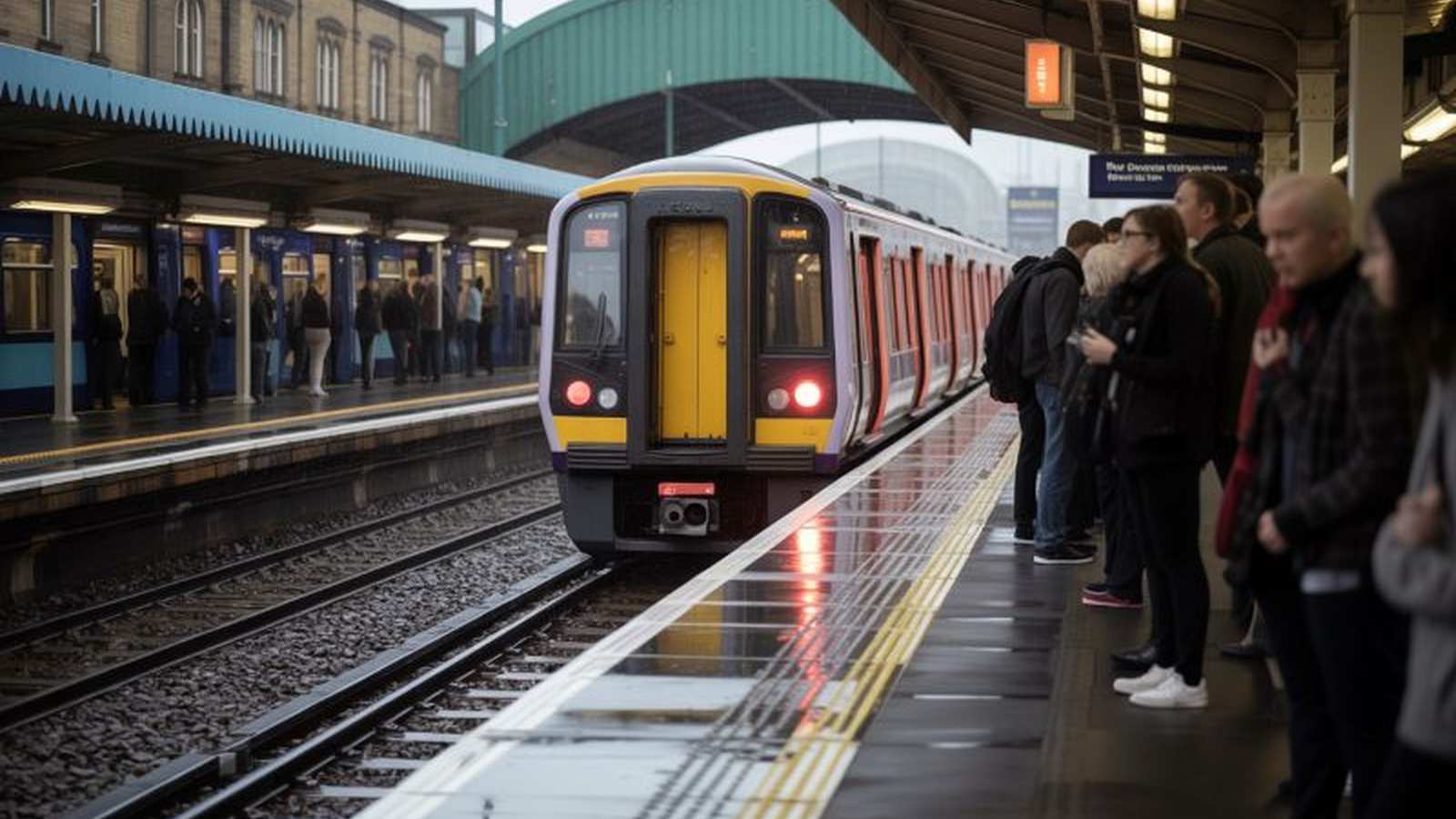
On September 23, 2025, Newcastle woke to a city in flux. The hum of the Tyne and Wear Metro—a lifeline for thousands of commuters and tourists—fell silent across key routes, as a sudden power supply fault at the Gosforth Depot forced Nexus, the Metro’s operator, into emergency mode. From early morning, passengers arriving at stations like Shiremoor and Pelaw were met not by the familiar rumble of trains, but by empty platforms and confused faces. According to Travel and Tour World, trains on three major lines—Pelaw to South Hylton, Pelaw to South Shields, and Monkseaton to St. James—were suspended in both directions, effectively severing connections between bustling neighborhoods, seaside towns, and central Newcastle.
The disruption, which Nexus attributed to a technical fault at the depot, did not discriminate. Whether one was a regular commuter relying on the Metro for the daily grind, or a tourist hoping to catch the sea breeze in South Shields, the consequences were immediate and far-reaching. Some stations, once teeming with life, took on a ghostly quiet as fewer travelers ventured out, uncertain of how to reach their destinations.
Alternative Transport: Keeping Newcastle Moving
With the Metro’s backbone fractured, Nexus moved quickly to soften the blow. Metro tickets, including Pop cards and travel passes, were honored across a wide swath of local transport options. All Go North East, Arriva, and Stagecoach buses welcomed Metro ticket holders, offering a vital substitute for stranded passengers. The Shields Ferry—connecting North Shields and South Shields—joined the effort, accepting Metro tickets and providing a picturesque, if slower, alternative route across the River Tyne.
For those needing to travel between Sunderland and Newcastle, Northern Rail stepped in, allowing Metro tickets on its trains. This web of collaboration, reported by News.az and BBC, was designed to keep the city’s pulse beating, even as crowds grew and delays mounted. Replacement buses stopped at all affected stations approximately every 20 minutes, though passengers were advised to expect longer journeys and increased waiting times during peak hours.
Inside the Nexus Response: Communication and Repairs
As technicians and engineers descended on the Gosforth Depot, Nexus made transparency a priority. Frequent updates poured in through social media channels, customer service desks, and the Pop app, detailing which stations were open and how often trains might arrive. The organization apologized for the inconvenience and thanked the public for their patience—a small comfort for those whose routines had been upended.
A Nexus spokesperson explained the root cause: a power fault at the new Stadler depot. This issue crippled the Metro’s ability to run trains on schedule, forcing the company into damage control. While some lines—Monkseaton to Pelaw and Airport to Pelaw—continued operating at a reduced frequency of 12-14 minutes, the overall system remained a patchwork of limited service and suspended routes. For many, the question lingered: how long would this disruption last?
Impact on Daily Life: Commuters and Tourists Adapt
The Tyne and Wear Metro isn’t just a transportation system; it’s a thread weaving together the daily lives of Newcastle’s residents and visitors. For commuters, the timing couldn’t be worse. The morning and evening rush saw bus stops and ferry docks overflowing, as people scrambled to find alternative ways to reach workplaces, schools, and appointments. Many reported arriving late or missing key meetings, with frustration mounting as the hours ticked by.
Tourists faced their own challenges. The Metro’s suspended routes affected access to iconic destinations: South Shields’ beaches, Newcastle’s museums, and hotels clustered near stations. For some, what was meant to be a carefree holiday turned into a logistical headache, as travel plans were re-drawn on the fly.
Local businesses felt the ripple effect too. Cafés and shops near the affected stations saw fewer customers, while taxi services and ride-shares experienced a surge in demand. The city’s rhythm changed—slower, less predictable, punctuated by crowds waiting for the next bus or ferry.
Looking Forward: When Will Service Return to Normal?
Despite the urgency, Nexus has yet to announce a clear timeline for full service restoration. Engineers continue to work on the depot’s power fault, with hopes that trains will return to their usual frequency once repairs are complete. In the meantime, the Metro’s website, social media channels, and the Pop app remain the best sources for real-time updates.
Passengers are advised to plan ahead, allow extra time for journeys, and consider alternative transport. For those traveling to impacted destinations, buses and the Shields Ferry are the most reliable substitutes. The situation is fluid, and as Nexus races to restore normal operations, patience and adaptability remain the city’s best tools.
Advice for Passengers: Navigating Uncertainty
For those caught in the disruption, a few practical steps can help ease the journey:
- Check service updates before leaving home—use the Nexus website or Pop app for live information.
- Allow for extra travel time, especially during peak hours.
- Take advantage of ticket acceptance on buses, ferries, and Northern Rail.
- If possible, consider flexible work or travel arrangements to avoid the worst delays.
As Newcastle grapples with the Metro’s unexpected silence, the city’s spirit endures. The collaboration between Nexus, local bus companies, and Northern Rail is a testament to resilience in the face of adversity. For now, the journey may be slower, but the connections—between places and people—remain unbroken.
This disruption highlights both the fragility and the flexibility of urban transport systems. While a single power fault can halt trains and reshape daily routines, the rapid mobilization of alternative services and clear communication have helped Newcastle adapt. The test now is not just technical, but communal: how swiftly can the city’s lifelines be restored, and what lessons will shape its resilience for the future?