
Quick Read
- Kemi Badenoch sacked Robert Jenrick as Shadow Justice Secretary over a defection plot to the Reform Party.
- Jenrick’s defection was reportedly discovered after he left his resignation speech unattended.
- Nick Timothy, a former chief of staff to Theresa May and 2024 MP, was appointed as the new Shadow Justice Secretary.
- Timothy has no legal background, but Badenoch praised his wealth of experience and campaigning skills.
- Jenrick had previously criticized the judicial review process and advocated leaving the ECHR.
In a dramatic reshuffle that has sent ripples through the Conservative Party, Kemi Badenoch, the party’s leader, announced the immediate dismissal of Robert Jenrick as Shadow Justice Secretary on Thursday, January 15, 2026. The move came swiftly after Badenoch revealed what she described as ‘clear, irrefutable evidence’ that Jenrick was ‘plotting in secret to defect in a way designed to be as damaging as possible’ to his colleagues and the wider party. Hours later, Jenrick confirmed his defection to Nigel Farage’s Reform Party, marking a significant blow to the Conservative opposition and underscoring the ongoing ‘political psychodrama’ that Badenoch vowed to avoid.
Jenrick, a former solicitor, had held the shadow justice portfolio for approximately 15 months, a position he secured after being appointed by the very woman who defeated him in the 2024 Conservative leadership election. His tenure was marked by outspoken criticism of the judicial review process, which he famously declared was ‘mummifying economic growth.’ He also advocated for the party to withdraw from the European Convention on Human Rights and challenged the independence of some judges, accusing them of blurring ‘the line between adjudication and activism.’
The circumstances surrounding Jenrick’s exit were particularly salacious. According to reports from the BBC, the alleged plot came to light after Jenrick inadvertently left a printed copy of his resignation speech unattended, which was subsequently discovered by others. This lapse in discretion provided Badenoch with the concrete evidence she needed to act decisively. Former party colleagues suggested that Jenrick had struggled to come to terms with his defeat to Badenoch in the 2024 leadership contest, a sentiment that may have fueled his decision to seek a new political home.
Nick Timothy’s Unexpected Ascent to Shadow Justice Secretary
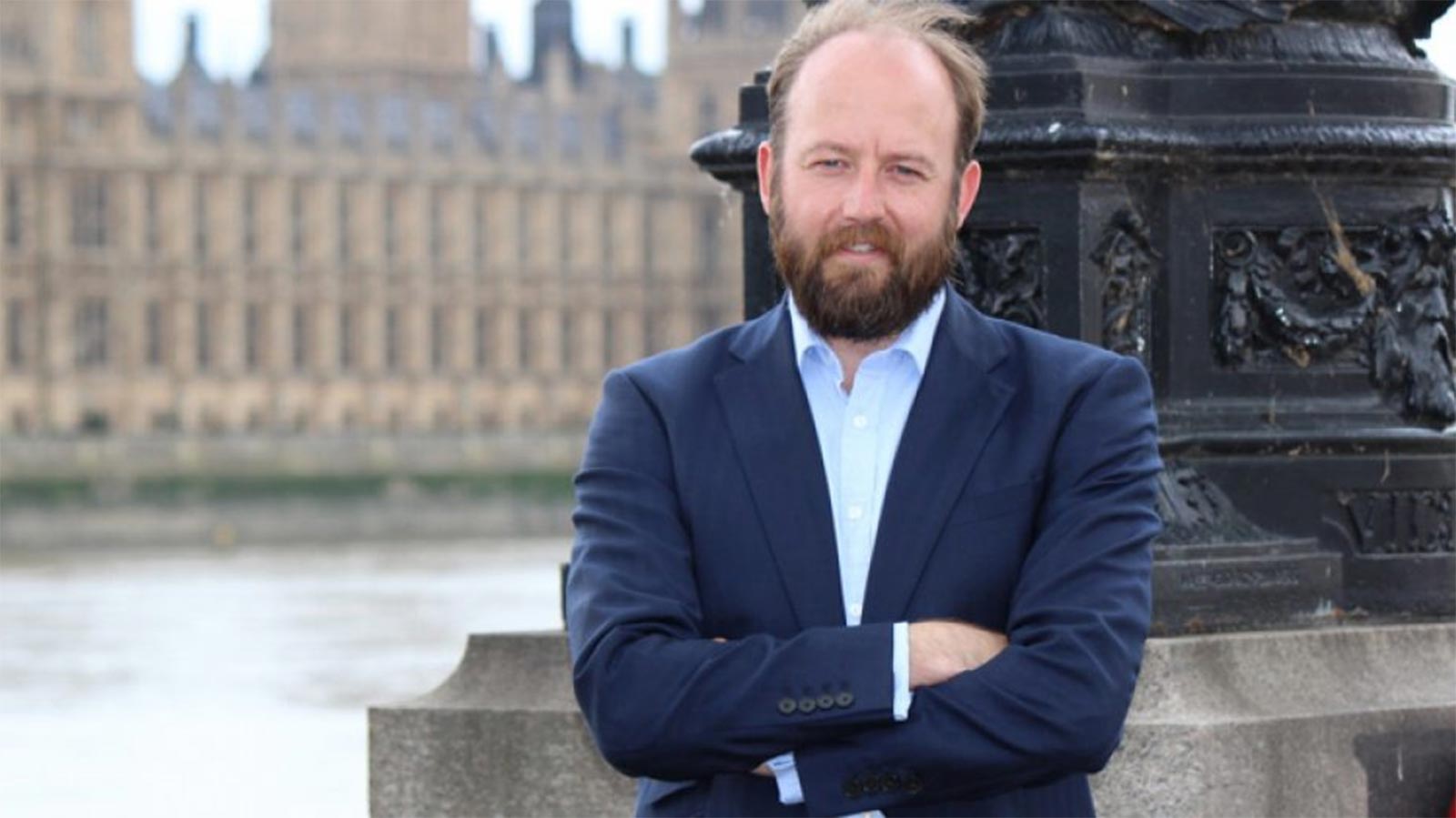
Stepping into the void left by Jenrick’s abrupt departure is Nick Timothy, who takes up his first shadow cabinet post as the new Shadow Justice Secretary. Timothy’s appointment is notable for several reasons, not least his lack of a formal legal background. A seasoned Westminster operator, Timothy served as joint chief of staff to former Prime Minister Theresa May and was elected as an MP in 2024. His rapid ascent to the shadow cabinet marks him as one of the first of the 2024 Tory intake to join the top tier of the opposition.
Badenoch lauded Timothy’s credentials, stating, ‘He is a true Conservative, brings a wealth of experience, and is a formidable campaigner. Nick will be a massive asset to the Shadow Cabinet team as we continue to develop our plans for a stronger economy, stronger borders and a stronger country.’ This endorsement highlights Timothy’s political acumen and strategic capabilities, positioning him as a key figure in the Conservative Party’s efforts to stabilize its ranks and present a coherent alternative to the governing party.
A ‘Newbie and Veteran’ for a Shifting Political Landscape
Timothy’s career trajectory is a blend of long-standing political engagement and relatively recent parliamentary representation. As the Spectator aptly put it, he is both a ‘newbie and a veteran.’ His deep experience within the party apparatus, particularly his time in No. 10, contrasts with his fresh perspective as a newly elected MP. This combination is precisely what Badenoch appears to be banking on as she seeks to inject new energy and strategic thinking into her shadow cabinet.
Beyond his work in Downing Street, Timothy has also garnered attention for his campaigning efforts, notably his role as a ‘long time tormentor of West Midlands Police.’ His work exposing what he described as ‘two-tier policing’ within his local force, headed by Craig Guildford, earned him a noticeable shout-out from Badenoch during a recent Prime Minister’s Questions. This demonstrates his capacity for robust scrutiny and his ability to hold institutions accountable, qualities that will be crucial in his new role overseeing justice policy.
The appointment of a non-lawyer to such a critical legal portfolio is a bold move by Badenoch, signaling a potential shift in the approach to justice within the Conservative Party. While Jenrick, a former solicitor, focused on specific legal reforms and critiques of judicial activism, Timothy’s background suggests a more politically driven and perhaps broader strategic vision for the justice system. His experience as a political strategist and campaigner could translate into a focus on public perception, law and order messaging, and the alignment of justice policy with wider conservative principles, rather than purely technical legal reform.
The Broader Implications for Conservative Opposition
Jenrick’s defection and Timothy’s appointment underscore the ongoing challenges facing the Conservative opposition. The party continues its efforts to stabilize its ranks following its loss of power, and internal divisions, such as those highlighted by Jenrick’s ‘psychodrama,’ are unwelcome distractions. Badenoch’s swift and decisive action against Jenrick, coupled with her strong endorsement of Timothy, projects an image of leadership determined to restore discipline and unity.
Timothy’s role will be pivotal in shaping the Conservative Party’s future policy on crime, courts, and human rights. His appointment suggests a move towards a more politically charged approach to justice, potentially prioritizing issues that resonate strongly with the party’s base and broader electorate. As the Conservatives strive to regain public trust and present themselves as a credible government-in-waiting, the shadow justice brief, now under Timothy’s stewardship, will be a key battleground for defining their vision for a ‘stronger country.’ The coming months will reveal how Timothy, with his unique blend of political experience and campaigning zeal, navigates the complexities of the justice portfolio and contributes to the party’s broader political strategy.
The strategic decision to place a seasoned political operator without a legal background at the helm of the Shadow Justice Department speaks volumes about Kemi Badenoch’s intent: to reframe justice not merely as a legal technicality but as a core political battleground, aligning policy with broader conservative narratives and demonstrating a clear break from internal dissent.