
Quick Read
- Deputy Prime Minister Nicola Willis publicly labeled National’s recent 28.4% polling result as unacceptable, defending the comments as a truthful assessment.
- Prime Minister Christopher Luxon has rejected speculation of a leadership challenge, maintaining that he has the full support of his caucus heading toward the November 7 election.
- The government is balancing positive economic growth forecasts with rising fuel costs driven by the conflict in Iran, with Willis ordering increased market monitoring to protect consumers.
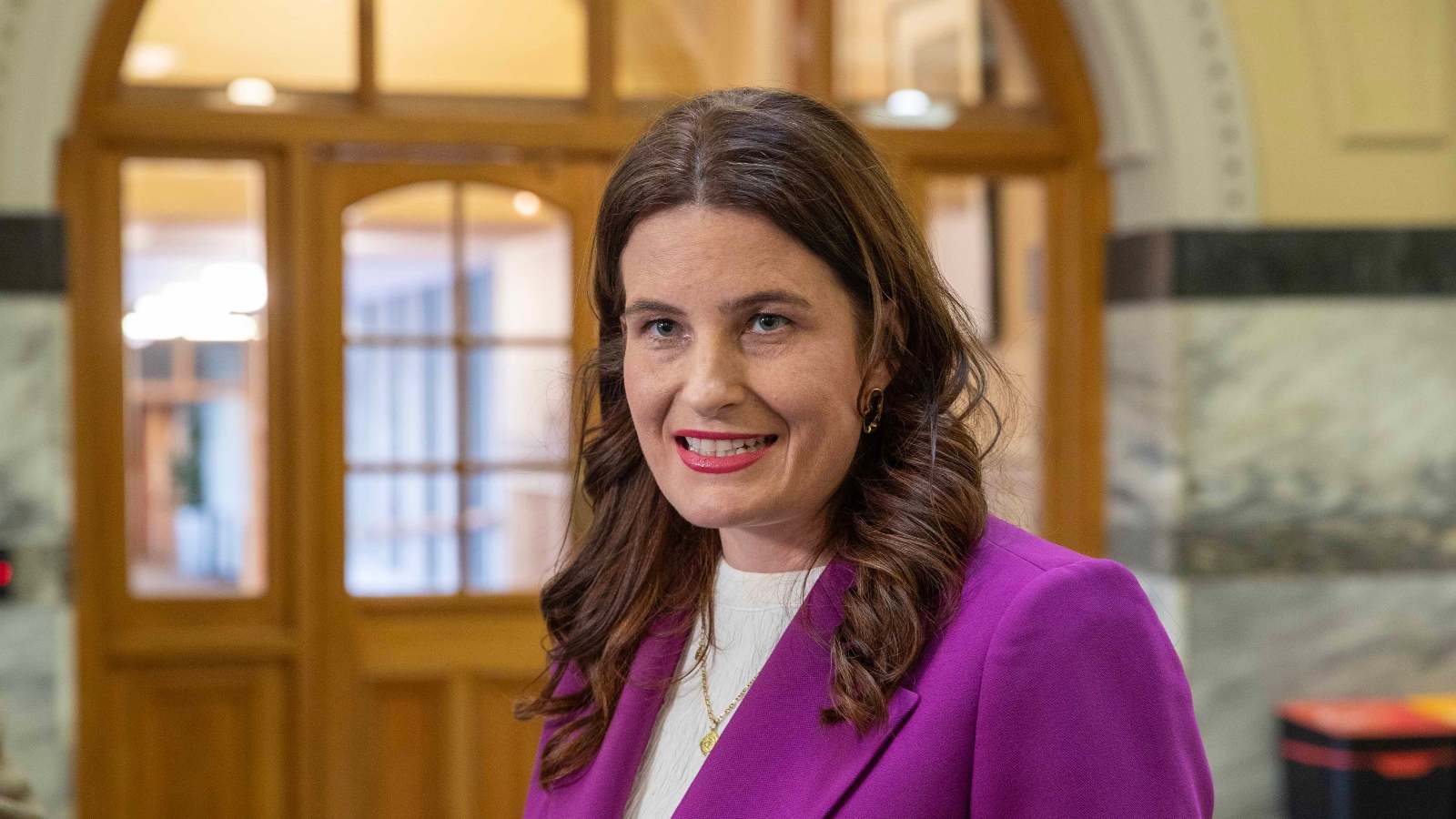
WELLINGTON (Azat TV) – Finance Minister and Deputy Prime Minister Nicola Willis has doubled down on her recent criticism of the National Party’s standing in public opinion polls, asserting that she simply “spoke the truth” when describing the party’s latest performance as unacceptable. Her remarks follow a challenging week for the government, marked by a Taxpayers’ Union-Curia poll that saw National drop to 28.4 percent, prompting fresh, albeit dismissed, speculation regarding the stability of Prime Minister Christopher Luxon’s leadership.
Willis defends blunt assessment of polling data
Speaking to media on Monday, Willis maintained her stance that the current polling numbers do not reflect the government’s aspirations. “If that was the number National got on the actual election, that would not be an acceptable result,” she stated. Her comments have drawn attention due to their directness, contrasting with the more measured tone typically adopted by senior government ministers. Willis emphasized that her priority remains preventing a shift to a Labour-led administration, which she argued would be detrimental to New Zealand’s economic recovery.
Luxon dismisses leadership speculation
Prime Minister Christopher Luxon has moved to quell concerns regarding his tenure, declaring his leadership “totally solid” during a post-Cabinet briefing. Luxon, who admitted that the previous week was “not a perfect week,” insisted that he is not a career politician and is focused on delivering economic results rather than managing public perception through soundbites. Cabinet ministers, including Judith Collins and Mark Mitchell, have publicly reaffirmed their support for the Prime Minister, dismissing rumors of a leadership challenge as unfounded.
Economic recovery efforts amid geopolitical uncertainty
While navigating political turbulence, Willis has shifted focus toward the government’s economic agenda, highlighting positive preliminary Treasury forecasts. The data indicates that the economy grew by 1.7 percent last year, with growth projections set at 3 percent for the next two years. However, these projections face headwinds from the escalating conflict in Iran, which has driven oil prices nearly 50 percent higher since late February. In response to the potential impact on consumers, Willis has tasked the Commerce Commission with monitoring fuel prices to prevent potential price gouging, though she has resisted calls to cut fuel excise taxes, citing the long-term fiscal requirements of the nation’s infrastructure projects.
The tension between Willis’s transparent acknowledgment of electoral vulnerability and Luxon’s insistence on a steady, results-oriented strategy highlights a strategic divergence in how the government intends to address the cost-of-living crisis before the November 7 election.