
Quick Read
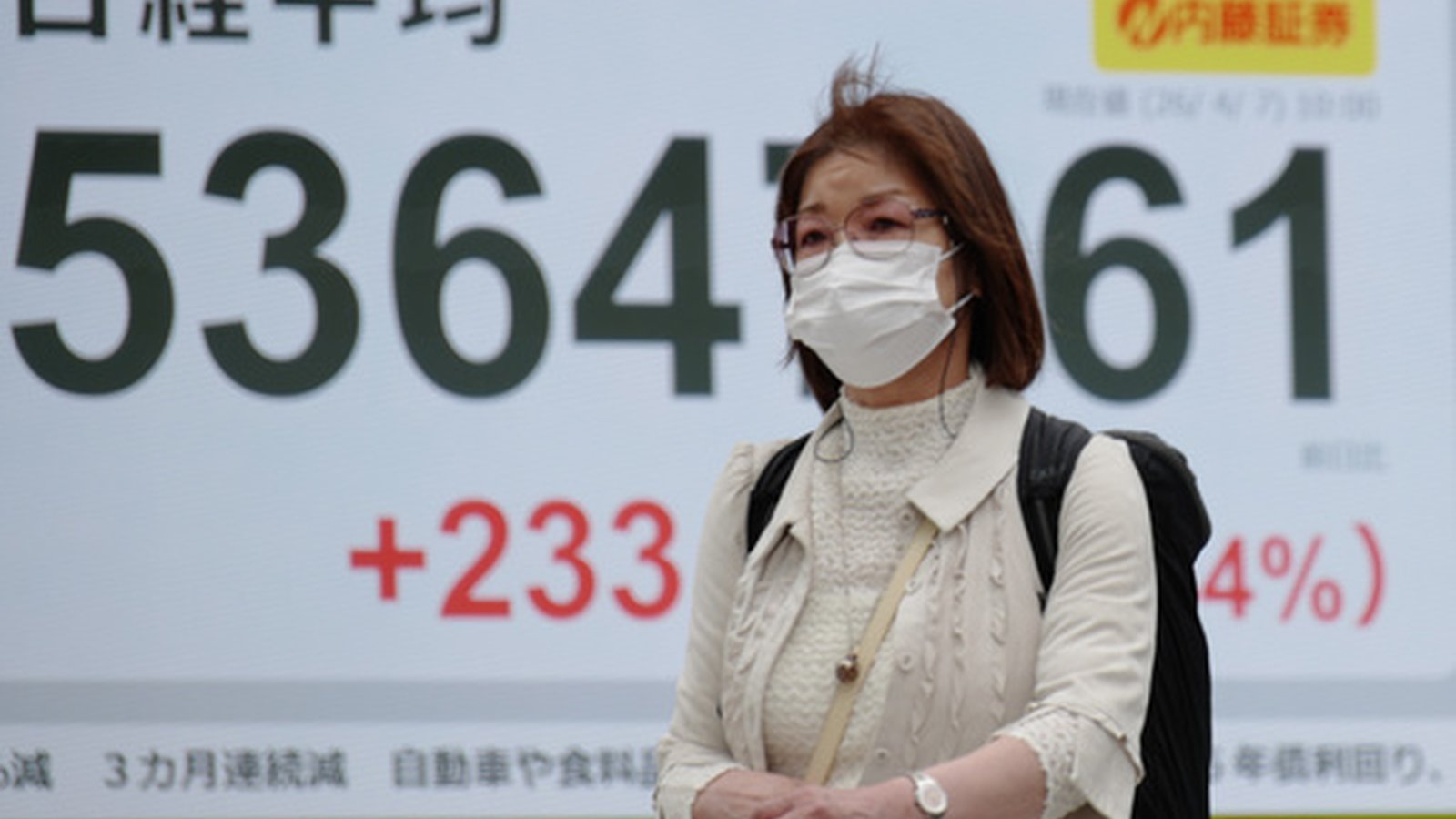
- The Nikkei 225 closed 0.21% higher at 53,429.56 despite global instability.
- U.S. crude oil prices jumped to $114.87, the highest level in nearly four years, due to the Strait of Hormuz standoff.
- The Nikkei Volatility index surged over 42%, reflecting investor anxiety over potential regional conflict.
TOKYO (Azat TV) – The Nikkei 225 index managed to finish Tuesday’s session with a modest gain of 0.21%, closing at 53,429.56, even as global markets braced for the expiration of a critical U.S. deadline regarding the Strait of Hormuz. While investors in other regions reacted to the escalating standoff with caution, Tokyo’s benchmark index showed resilience before the closing bell.
Strait of Hormuz Tension Impacts Global Markets
The geopolitical climate remains the primary driver of market volatility as U.S. President Donald Trump’s deadline for Iran to reopen the vital shipping route approaches. The threat of further infrastructure strikes, compounded by reports of U.S. airstrikes in Tehran, has sent oil prices surging to their highest levels in nearly four years. U.S. crude futures climbed 2.2% to $114.87 per barrel, a development that continues to weigh heavily on risk sentiment across Western exchanges.
Nikkei 225 Performance and Sector Volatility
Despite the broader economic pressure, specific sectors within the Nikkei 225 saw significant movement. Shift Inc. led the gainers, rising 4.28%, followed by TDK Corp and Fujitsu Ltd., which both posted gains of over 2.7%. Conversely, the index faced downward pressure from Archion Corp, which fell 7.16%, and Disco Corp, which declined 6.15%. Notably, the Nikkei Volatility index spiked 42.07% to 38.60, signaling that traders are preparing for potential turbulence as the diplomatic impasse persists.
Market Sensitivity to Energy Supply Risks
The ongoing blockage of the Strait of Hormuz, a maritime chokepoint through which approximately one-fifth of global oil transits, has effectively shaken the foundations of the global economy. Analysts from Mizuho Bank highlighted that the situation has entered an intense escalation cycle, with little indication of an imminent diplomatic breakthrough. As the U.S. dollar strengthens against the Japanese yen—trading at 159.79—the Nikkei 225 remains highly sensitive to both currency fluctuations and the volatile energy markets that dictate corporate input costs.
The divergence between the Nikkei 225’s steady performance and the massive spike in the Nikkei Volatility index suggests that while Japanese equities are currently absorbing the geopolitical shock, investors are aggressively hedging against a potential collapse in energy security should the U.S. ultimatum lead to widespread regional conflict.