
Quick Read
- Nnamdi Kanu, IPOB leader, sentenced to life imprisonment on terrorism charges by a Nigerian court.
- The verdict followed years of controversy and violent unrest in the southeast, with Kanu accused of inciting attacks and economic disruption.
- Judge James Omotosho chose life imprisonment over the death penalty, citing global trends and a need for mercy.
- Kanu’s lawyers have vowed to appeal the decision, arguing it is politically motivated.
- The ruling marks a major moment in Nigeria’s struggle with separatism and security challenges.
Nnamdi Kanu: From Separatist Leader to Life in Prison
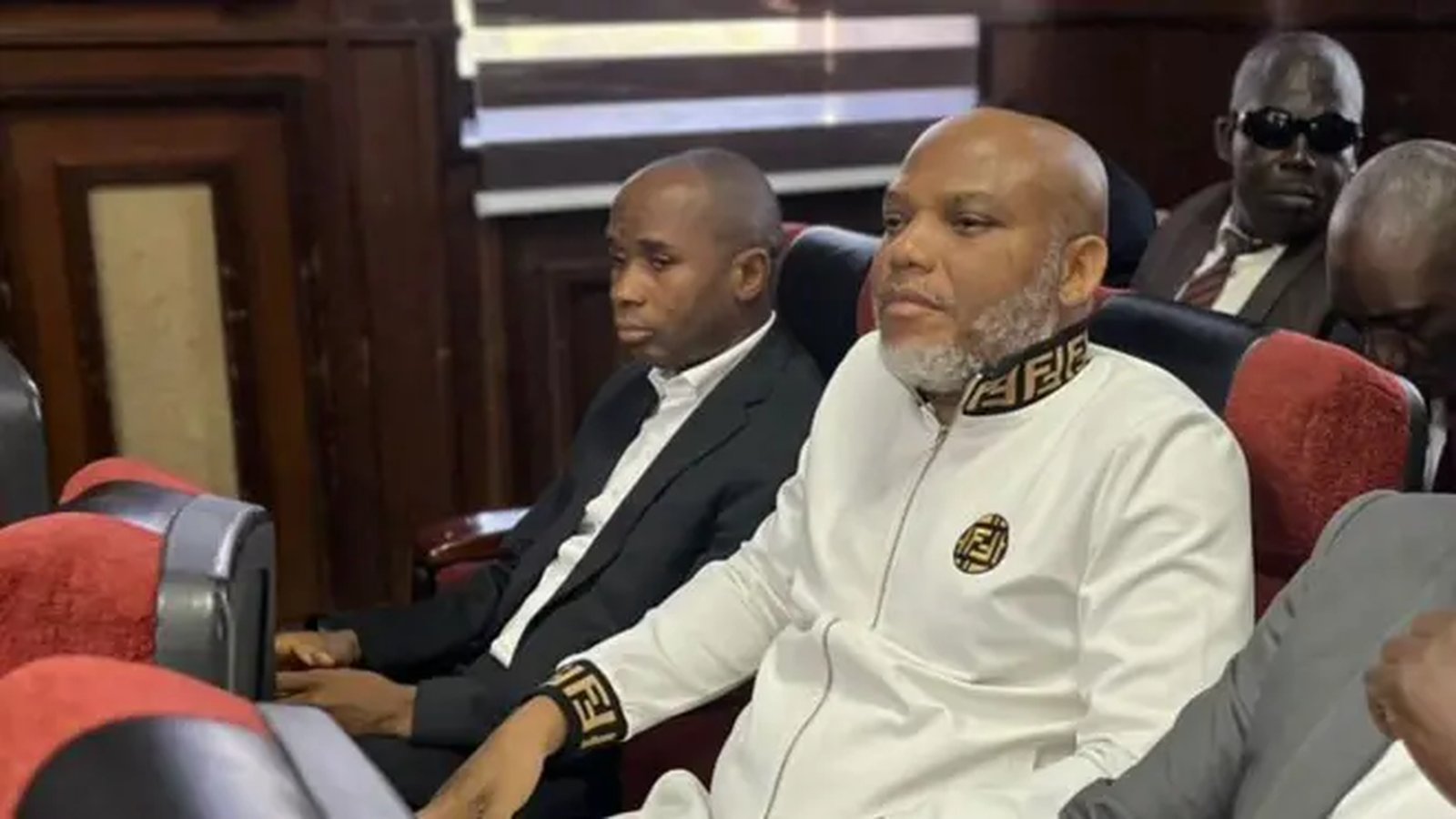
On November 20, 2025, after years of courtroom battles, heated broadcasts, and international controversy, Nnamdi Kanu – the fiery leader of the Indigenous People of Biafra (IPOB) – was sentenced to life imprisonment in Abuja, Nigeria’s capital. The verdict, delivered by Justice James Omotosho, followed a tense trial that placed Nigeria’s struggle with separatism and security under the global spotlight.
The Charges: Terrorism and Incitement
Kanu faced seven counts, ranging from terrorism to incitement of violence and illegal importation of broadcasting equipment. Prosecutors argued that his broadcasts and orders to IPOB supporters incited deadly attacks, disrupted daily life in the southeast, and threatened Nigeria’s stability. According to BBC News Pidgin, evidence presented in court linked Kanu to the infamous ‘sit-at-home’ orders that paralyzed the region and, per Associated Press, resulted in hundreds of deaths and billions in economic losses.
Justice Omotosho found Kanu guilty on all charges. Notably, the most severe counts – including inciting violence against security forces and advocating attacks on government facilities – carried potential death penalties. Yet, Omotosho chose life imprisonment, citing global trends against capital punishment and a need to “temper justice with mercy.”
The Trial: Defiance, Disputes, and Legal Drama
Kanu’s courtroom stance was one of outright defiance. He pleaded not guilty but refused to mount a defense, insisting the charges were politically motivated and the court lacked jurisdiction. His lawyers challenged the admissibility of his London-based Radio Biafra broadcasts, arguing that statements made abroad should not be grounds for conviction in Nigeria. The judge disagreed, finding the broadcasts instrumental in stoking unrest.
The trial itself was fraught with controversy. Kanu was re-arrested in Kenya in 2021, a move his legal team described as an unlawful extradition. He claimed mistreatment in custody and ultimately dismissed his legal team, returning to his longstanding objection: “The court lacks jurisdiction to try me. My charge sheet does not contain any written law in Nigeria.” The prosecution, however, maintained that Kanu’s actions had real, violent consequences for the country.
Implications for IPOB and the Southeast
IPOB, the movement Kanu founded in 2012, has long campaigned for an independent Biafra, reviving memories of the devastating 1967–1970 civil war that claimed millions of lives. The group’s activities – including the enforcement of region-wide shutdowns and clashes with security forces – have kept southeastern Nigeria on edge for years.
This verdict is more than a personal reckoning for Kanu; it signals the government’s determination to clamp down on separatist violence. As Al Jazeera notes, the ruling sends a clear message: “Any self-determination not done according to the constitution of Nigeria is illegal.” The judge’s decision to ban Kanu from using digital devices without supervision and to seize his transmitter underscores the authorities’ intent to limit IPOB’s reach.
The prosecution hailed the verdict as a safeguard for national unity. “The judiciary has saved Nigeria from IPOB,” said lead counsel Adegboyega Awomolo, framing the decision as a victory over lawlessness and a warning to would-be agitators: “Nigeria is bigger than everybody, and the law is bigger than all of us.” Yet, for IPOB’s supporters, and many in the Igbo-dominated southeast, the trial has deepened feelings of marginalization and injustice.
The Road Ahead: Appeals, Justice, and Regional Tensions
Kanu’s lawyers have vowed to appeal, labeling the verdict “vehemently” unjust and rooted in politics rather than law. He has the right to challenge the ruling up to Nigeria’s Supreme Court, a process that could take months or even years. Until then, Kanu will remain in custody, though the judge ordered that he be held in a “suitable” facility with protective measures.
The government’s crackdown on IPOB has not quelled separatist sentiment entirely. The region remains volatile, and the memory of the Biafran war still shapes local identity and grievances. Recent events, such as the conviction of Simon Ekpa – another separatist leader – in Finland for terrorism-related offenses, illustrate the global dimensions of the movement and the challenges facing Nigeria’s security apparatus.
For ordinary citizens in the southeast, the verdict brings mixed emotions. Some hope it will restore stability and allow them to “sleep with both eyes closed,” as the prosecution put it. Others fear it will fuel resentment, deepen distrust of federal authorities, and perhaps inspire further unrest.
Justice, Mercy, and the Politics of Separation
Justice Omotosho’s ruling invoked not only the Nigerian constitution but also the “admonition of Jesus Christ” to show mercy. This blend of legal reasoning and moral appeal reflects the complexity of Nigeria’s challenge: balancing national security with the rights and aspirations of its diverse peoples. The judge’s decision to reject the death penalty aligns with international norms, but for many, it’s the underlying political questions – about autonomy, representation, and the meaning of justice – that remain unresolved.
The verdict against Nnamdi Kanu is a watershed moment, but it’s not the final chapter. As appeals proceed and the region watches closely, Nigeria faces a test of its legal system, its political maturity, and its ability to manage deep-rooted divisions.
The facts reveal a country at a crossroads, where the pursuit of order collides with demands for self-determination. Nnamdi Kanu’s life sentence may signal a decisive stance against separatism, but without addressing the grievances that fuel it, Nigeria’s search for lasting peace remains unfinished.