


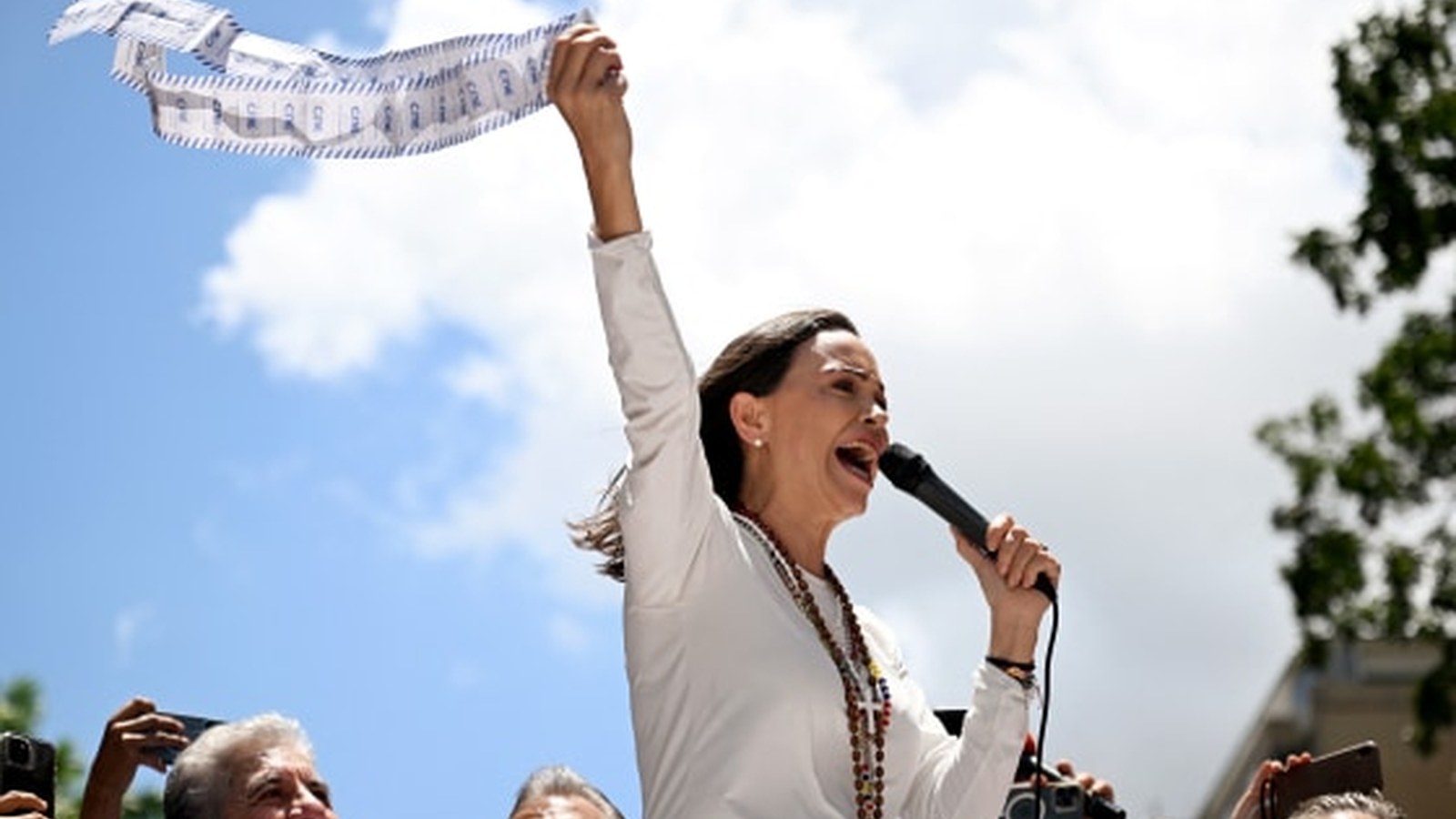
María Corina Machado: The Missing Laureate
The Nobel Peace Prize ceremony in Oslo is often a global celebration of courage, conviction, and the relentless pursuit of justice. This year, however, the event was marked by a conspicuous absence. María Corina Machado, the Venezuelan opposition leader recognized for her unwavering advocacy for democracy in the face of mounting authoritarianism, was not present to accept the award she had earned against all odds.
Why Was Machado Absent?
Organizers confirmed Machado would not attend the ceremony at Oslo City Hall, despite efforts to bring her to Norway. Kristian Berg Harpviken, director of the Norwegian Nobel Institute, admitted he did not know her exact whereabouts. The Nobel Institute emphasized Machado had “done everything in her power” to join the ceremony and reassured the public that she was safe, though details about her location remained undisclosed (Reuters).
The backdrop to her absence is a decade-long travel ban imposed by President Nicolás Maduro’s regime. Machado has spent over a year in hiding since Maduro claimed victory in a widely criticized election. Authorities have threatened to treat her as a fugitive should she attempt to leave Venezuela. Her last public appearance was in January, when she was briefly detained at a protest in Caracas.
Symbolism and Substitution: Who Accepted the Prize?
Despite Machado’s absence, the ceremony proceeded as planned. Her daughter, Ana Corina Sosa Machado, stood in her place, accepting the prestigious honor before Norwegian royalty and Latin American leaders. The Nobel Institute canceled a planned news conference, a traditional event for laureates, further underscoring the constraints Machado faces.
The Nobel Committee’s decision to honor Machado was a tribute to her role in “keeping the flame of democracy burning amidst a growing darkness” and her tireless efforts to promote democratic rights for Venezuelans. Machado herself described the award as “the achievement of a whole society,” a sentiment reflecting the collective struggle against repression.
Controversy and Criticism
The recognition of Machado has not been without controversy. Her outspoken support for $1 Donald Trump’s military buildup in the Caribbean and advocacy for forceful measures to remove Maduro have drawn criticism. Machado’s dedication of her Nobel Prize to Trump, who has publicly campaigned for his own peace prize, stirred further debate.
Machado has backed U.S. military strikes on alleged drug trafficking vessels near Venezuela, operations that have resulted in dozens of deaths, according to Pentagon figures. Yet, these actions have faced scrutiny regarding their legality and the lack of evidence supporting the accusations. The U.S. intelligence community has contradicted Machado’s claims about Maduro’s direct involvement with the criminal gang Tren de Aragua, a group listed by Trump as a foreign terrorist organization.
In light of these controversies, the Norwegian Peace Council—an independent conflict resolution group—declined to honor Machado with its customary torchlight procession, citing misalignment with its core values.
Machado’s Journey: Courage and Consequence
Nicknamed “the Lady of Steel” and “the Iron Lady,” Machado has revitalized Venezuela’s opposition. Barred from running against Maduro in 2024, she supported Edmundo González, who was internationally recognized as the election’s winner. Nevertheless, Maduro retained power, triggering deadly protests and a subsequent crackdown. González sought asylum after a warrant was issued for his arrest, while Machado entered a kind of internal exile, remaining in Venezuela despite grave risks.
The Nobel Committee noted, “Despite serious threats against her life she has remained in the country, a choice that has inspired millions of people.” Her decision to stay in Venezuela, even as the economy collapsed and millions fled, is a testament to her resilience.
Venezuela’s economic descent, despite having the world’s largest oil reserves, has caused widespread poverty and the largest mass displacement crisis globally. Machado’s leadership, under these conditions, has been both a beacon of hope and a source of controversy, reflecting the complexities of resistance under authoritarian rule.
The Larger Picture: Laureates in the Crosshairs
Machado’s story spotlights the difficult realities faced by modern Nobel laureates. The honor, while prestigious, does not shield recipients from political danger or global controversy. In Machado’s case, her absence from the ceremony is a powerful reminder of the constraints imposed by authoritarian governments—and the complicated nature of international solidarity in times of crisis.
Her experience calls into question the global community’s ability to support dissidents and the effectiveness of symbolic gestures when real political change remains elusive. The Nobel Peace Prize, in this context, becomes not just an accolade but a rallying point—a recognition of struggle that is far from over.
Machado’s absence from Oslo is not just a personal tragedy but a reflection of Venezuela’s enduring crisis. Her journey underscores the limitations of international recognition in the face of domestic repression and highlights the enduring power of individual courage to inspire hope, even when justice is delayed.