
Quick Read
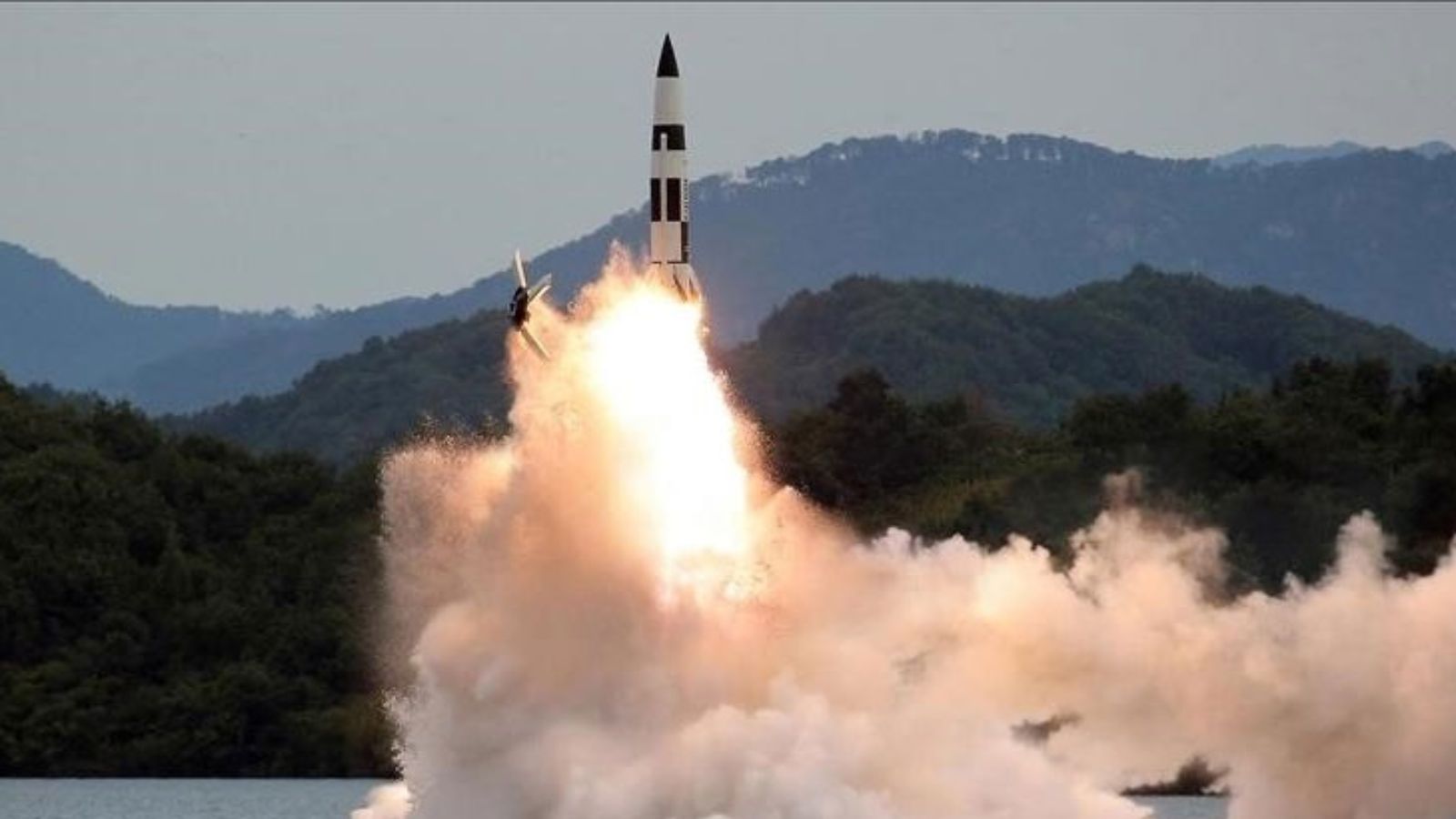
- North Korea fired several ballistic missiles toward the Sea of Japan.
- There are no reports of damage or casualties at this time.
- Launch details, including the exact number of missiles, have not been officially confirmed.
- The episode adds to ongoing concerns about regional security dynamics in Northeast Asia.
North Korea has launched several ballistic missiles toward the Sea of Japan, according to early reporting on the incident. The launches were directed toward a body of water that lies between the Korean Peninsula and Japan, a region that has long been a focal point for regional security concerns. The information available at the moment indicates there are no reports of damage, injuries, or casualties resulting from the missiles’ trajectories. As is common with such events, details about the specific types of missiles used, their ranges, and the exact launch points have not been officially disclosed in a manner that confirms precise specifications to a broad audience.
Analysts often caution that missile launches of this kind can carry significant political and strategic implications, even when there are no immediate casualties or property damage. Observers watching the Northeast Asian security landscape note that such tests frequently trigger responses from neighboring governments, international organizations, and allied partners who seek to emphasize de-escalation and the restraint of further provocative actions. In some cases, launches of ballistic missiles are associated with broader strategic signaling, including messages about deterrence, military postures, and testing of defense and surveillance protocols. In the current instance, the absence of confirmed damage suggests the missiles did not intersect densely populated areas or critical infrastructure, but the broader geopolitical and safety implications remain a topic of intense discussion among regional analysts and policy researchers alike.
While the immediate facts available are limited, the event underscores the persistent volatility of the security environment in Northeast Asia. The Sea of Japan has repeatedly figured in regional security calculations due to its proximity to the Korean Peninsula and major economic zones. Governments in Tokyo, Seoul, and Washington, among others, regularly monitor missile activity in the region and assess the potential need for adjustments to defense readiness, intelligence-sharing, and diplomatic outreach. The current episode may prompt routine inquiries by security agencies and defense establishments to ascertain launch parameters, flight paths, and potential follow-on activity. Journalists and observers will be looking for additional official statements that clarify the number of missiles, their flight characteristics, and any intent statements from the authorities that could indicate a shift in posture or a new phase in regional dynamics.
For international readers, the episode serves as a reminder of the fragile balance on the Korean Peninsula, where periodic missile tests have historically influenced the pace and tone of diplomatic engagement. While the absence of damage is a positive immediate signal, experts stress that repeated launches contribute to long-term security concerns, including the risk of accidental escalation, misinterpretation of intentions, and the potential for regional arms competition to intensify. As more information becomes available, analysts will likely reassess the situation in light of precedent, alliance considerations, and the evolving security architecture of Northeast Asia. In the interim, credible reporting emphasizes caution, verification, and the importance of measured, timely communications from governments and international organizations seeking to prevent miscalculations that could destabilize an already tense region.
In sum, the latest missile launches by North Korea toward the Sea of Japan have drawn attention precisely because they occur in a context of heightened vigilance and ongoing concern about regional stability. While official channels work to confirm particulars and assess implications, the broader takeaway for international audiences remains clear: missile activity of this nature continues to shape strategic calculations, influence diplomatic messaging, and test the limits of restraint among regional powers. The coming days and weeks are likely to yield additional information from governments and security agencies, and observers will be watching closely for any shifts in posture, new sanctions discussions, or potential avenues for de-escalation that could reduce the risk of misinterpretation or inadvertent escalation.
Final: The current event highlights the enduring complexity of Northeast Asian security, where periodic missile tests intersect with diplomatic signaling, alliance dynamics, and the international community’s insistence on restraint and stability; moving forward, credible de-escalation channels and transparent communication will be essential to prevent miscalculations and reduce the risk of broader confrontation.