
Quick Read
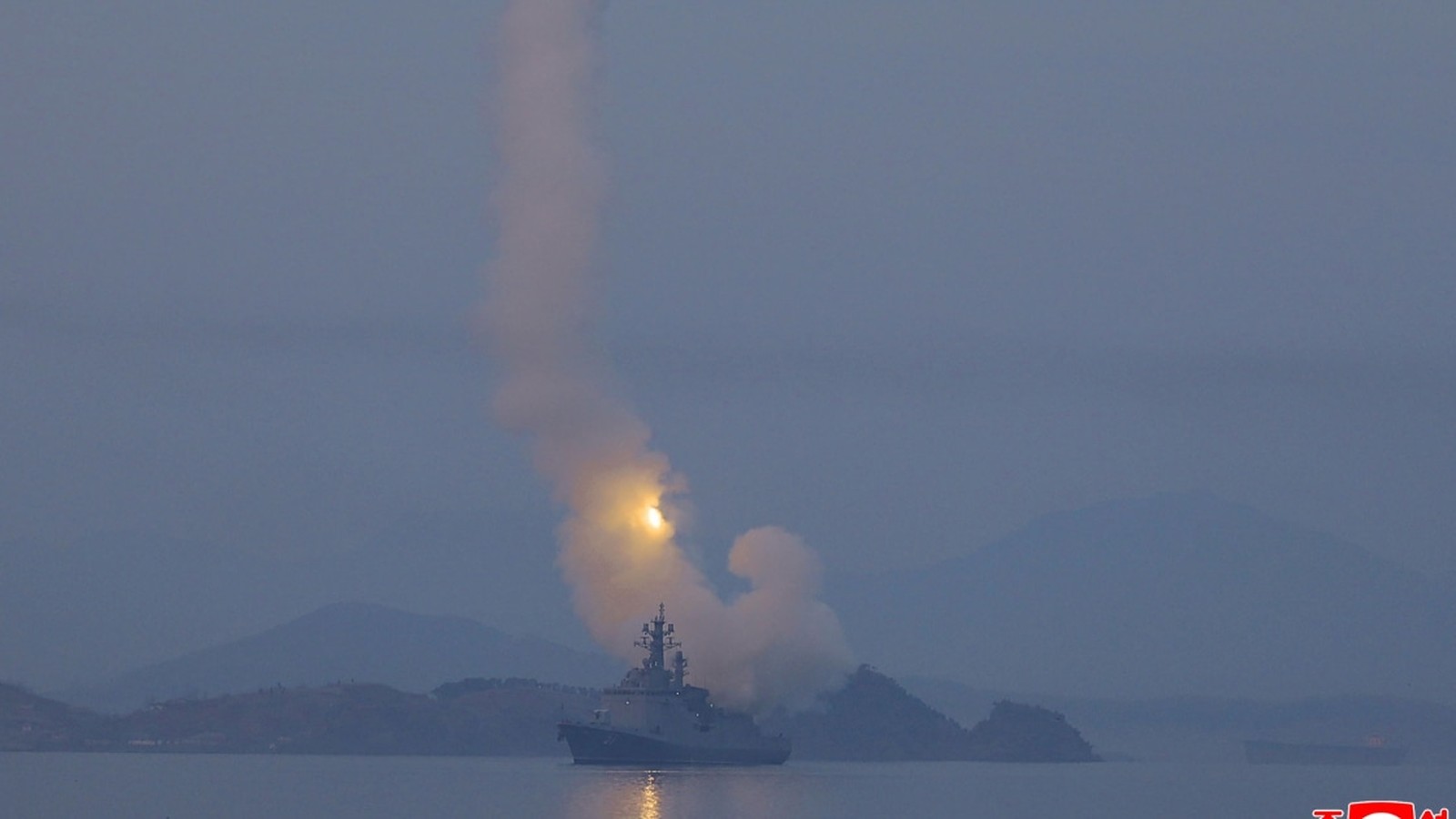
- North Korea launched approximately 10 ballistic missiles, a significantly larger volume than recent standard tests.
- The launches occurred during the 11-day U.S.-South Korea ‘Freedom Shield’ military exercises.
- Speculation persists that U.S. missile defense assets are being diverted from South Korea to the Middle East conflict.
SEOUL (Azat TV) – North Korea fired approximately 10 ballistic missiles toward the sea on Saturday, executing a large-scale show of force that coincides with ongoing joint military exercises between the United States and South Korea. The launch, which originated from an area near Pyongyang, follows intense warnings from North Korean leadership regarding the 11-day ‘Freedom Shield’ drills.
Escalation During Freedom Shield Drills
South Korea’s Joint Chiefs of Staff confirmed the barrage, noting that the weapons were launched from the North’s western coast. Japan’s Defense Ministry reported that the missiles traveled roughly 340 kilometers before landing in waters outside Japan’s exclusive economic zone. While North Korea frequently conducts missile tests to protest alliance maneuvers, the volume of this specific launch—10 projectiles—is significantly higher than typical single or double-missile displays, signaling a deliberate increase in military posturing.
Concerns Over U.S. Defense Assets
The latest provocation occurs amid heightened anxiety regarding the integrity of South Korea’s defensive shield. Local media reports and security imagery have fueled speculation that the U.S. is relocating critical interceptor systems, including THAAD units and Patriot missile batteries, from South Korea to support ongoing operations in the Middle East. While the office of South Korean President Lee Jae Myung stated it could not confirm operational details of U.S. forces, officials maintained that any such relocation would not undermine the existing defense posture against Pyongyang.
Geopolitical Strains and Strategic Shifts
The timing of the launch reflects a complex web of global security challenges. Kim Yo Jong, the sister of North Korean leader Kim Jong Un, recently condemned the joint drills, describing the international security landscape as one where global structures are collapsing due to the actions of what she labeled ‘outrageous international rogues.’ Pyongyang has also publicly aligned itself with Tehran, denouncing recent U.S.-Israeli strikes in the Middle East. These developments present a difficult challenge for the Trump administration, which has previously signaled openness to renewed diplomacy with Kim Jong Un, even as the North continues to deepen its military alliance with Moscow through the provision of equipment and personnel for the war in Ukraine.
The scale of this launch suggests that Pyongyang is testing whether the perceived thinness of U.S. missile defense coverage in the region—driven by the reallocation of assets to the Middle East—creates a window of opportunity to exert leverage without triggering a direct conventional response.